
Your Carpets Are Hiding More Than You Think
To deep clean carpet at home, follow these core steps:
- Vacuum thoroughly to remove loose dirt and debris
- Pre-treat stains by blotting (never scrubbing) with a cleaning solution
- Apply a cleaning method – either baking soda + salt scrub, a vinegar-water spray (1:3 ratio), or a carpet cleaning machine
- Rinse and extract moisture to prevent mold and residue buildup
- Dry completely using fans and ventilation – allow 4 to 24 hours before normal use
Repeat every 3 to 6 months for best results.
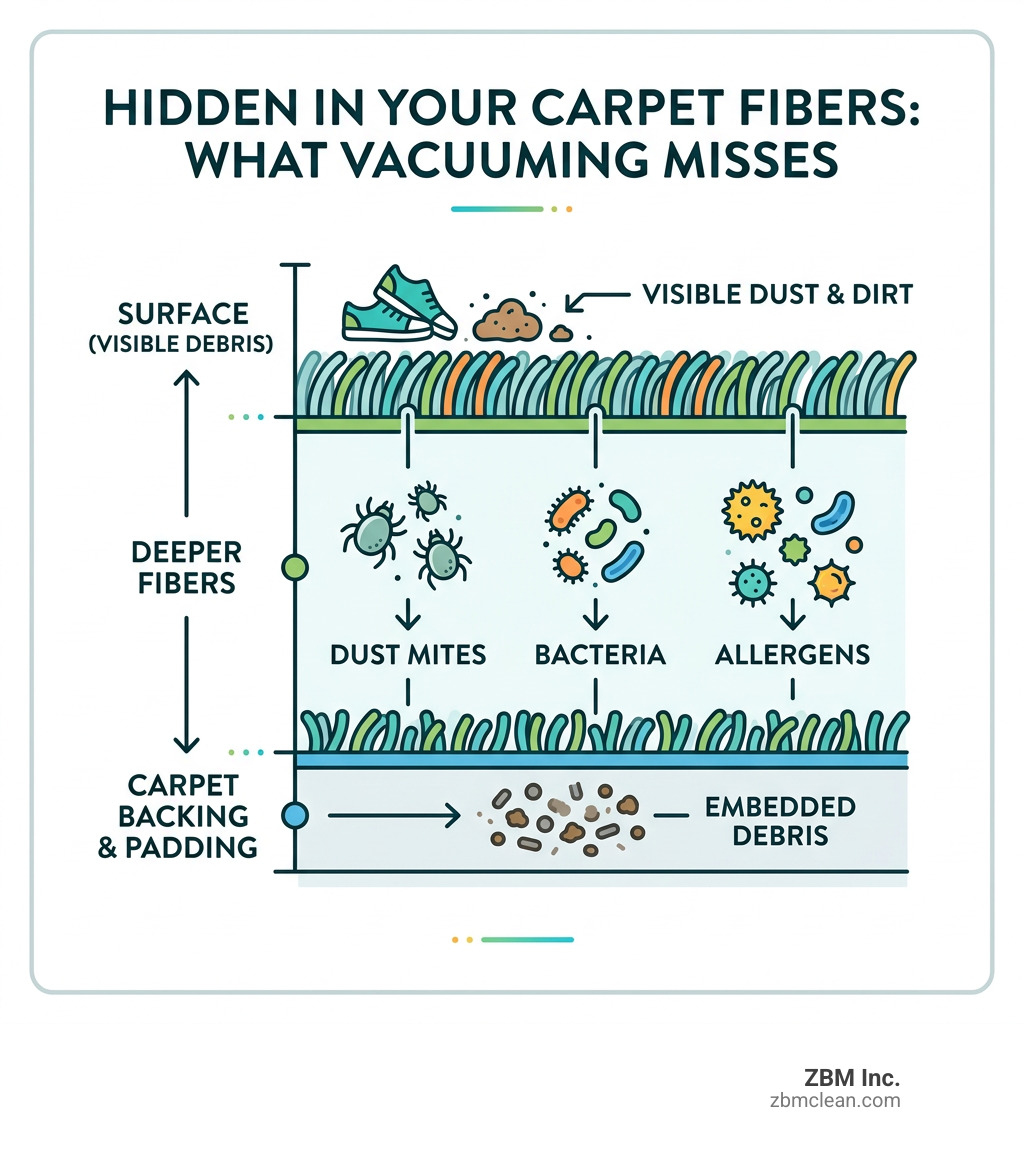
Carpets take a beating every day. Muddy shoes, pet paws, spilled coffee, dropped snacks – it all adds up fast. And while a quick vacuum pass helps, it only removes what’s sitting on the surface.
The real problem is what’s hiding deeper in the fibers.
Dust, bacteria, allergens, and even dust mites can build up in carpet pile over time – making your floors look dull, smell stale, and wear out faster. For anyone managing a commercial or residential space, that buildup is more than a cosmetic issue. It’s a hygiene concern.
The good news? You don’t need expensive equipment or harsh chemicals to fix it. Most effective DIY deep cleaning methods use simple household items – baking soda, white vinegar, salt, and a good vacuum – and take just a few hours from start to finish.
Why You Should Deep Clean Carpet at Home Regularly
We often think of vacuuming as the “be-all and end-all” of floor care, but vacuuming only removes loose debris. To truly maintain a healthy environment, we recommend that you deep clean carpet at home every three to six months. If you have pets, small children, or live in high-traffic areas like Watertown or Lake Mills, you might even want to bump that up to every two months.
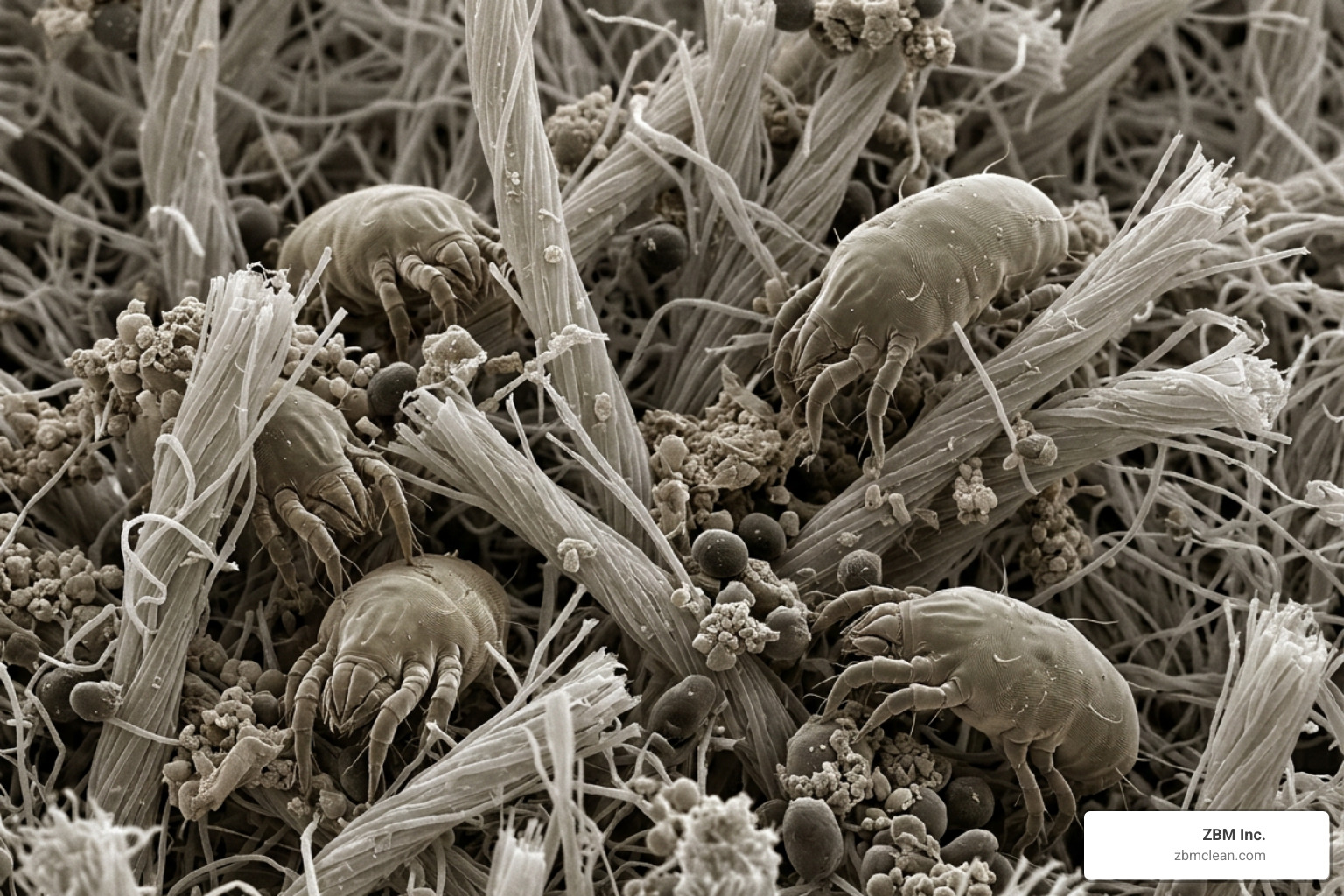
Regular deep cleaning isn’t just about getting rid of that one embarrassing wine stain from last New Year’s Eve. It’s about air quality and longevity. Carpets act like a giant filter for your home, trapping dust, pollen, and microscopic organisms. When these particles settle deep into the backing, they act like sandpaper, grinding away at the fibers every time you walk across the room.
By using natural solutions like white vinegar, you can effectively break down these contaminants. According to scientific research on the benefits of acetic acid, the acidity in vinegar is strong enough to dissolve minerals, grease, and dirt. It’s a powerhouse for DIY cleaning.
Furthermore, keeping a regular schedule helps prevent the growth of mold and dust mites, which thrive in damp or neglected fibers. For more details on timing your maintenance, check out our guide on how often should carpets be shampooed. Consistent care ensures your investment lasts for decades rather than years.
Essential Tools and Materials for a DIY Deep Clean
Before we get our hands dirty, we need to gather the right supplies. You don’t need a massive industrial van parked in your driveway to get professional-grade results. Most of these items are likely already in your pantry or cleaning closet in Southeast Wisconsin.
Your DIY Toolkit Checklist:
- HEPA Vacuum: Essential for trapping small particles and allergens rather than just blowing them back into the air.
- Microfiber Cloths: Better than paper towels because they are highly absorbent and won’t leave lint behind.
- Spray Bottles: For even distribution of your homemade solutions.
- Soft-Bristle Brush: To agitate the fibers without causing “fuzzing” or damage.
- Baking Soda & Salt: The dynamic duo for absorbing odors and lifting mechanical dirt.
- White Vinegar: Your primary cleaning agent.
- Distilled Water: Using distilled water prevents mineral buildup from hard water, which is common in many Wisconsin households.
Natural vs. Commercial: Which is Better?
| Feature | Natural (Vinegar/Baking Soda) | Commercial Chemical Cleaners |
|---|---|---|
| Cost | Very Low | Moderate to High |
| Safety | Pet & Child Safe | May contain harsh VOCs |
| Residue | Leaves no sticky film | Often leaves “soap scum” that attracts dirt |
| Scent | Vinegar smell (dissipates quickly) | Artificial fragrances |
| Effectiveness | Great for most organic stains | Specialized for heavy oils/dyes |
Step-by-Step Guide to Deep Clean Carpet at Home
Now that we’re prepared, let’s walk through the actual process. We’ve refined this method to ensure you get the most dirt out with the least amount of “back-breaking” labor.
1. Preparation and Furniture Removal
First, clear the deck! Move as much furniture as possible out of the room. If a piece is too heavy to move, place plastic film or aluminum foil under the legs to prevent wood stains or rust from transferring to the damp carpet.
2. The Power Vacuum
This is the most important step. You want to vacuum the area at least twice, moving in different directions (North-South, then East-West). This opens up the pile and sucks up the loose grit that would otherwise turn into “mud” once we add liquid.
3. The Deep Clean Application
If you aren’t using a machine, the best way to deep clean carpet at home is the “dry-to-wet” method. Start by sprinkling a 1:1 mixture of baking soda and salt over the entire surface. Mist the area lightly with a spray bottle filled with a 1:3 vinegar-to-water solution. You want it damp, not soaking wet.
For more specialized tips on different types of spills, you can refer to our internal resource on cleaning-carpet.
4. Agitation and Rinsing
Use your soft-bristle brush to gently work the mixture into the fibers. Let it sit for about 10–15 minutes. This gives the vinegar time to break down the grime and the baking soda time to absorb odors. Afterward, use a clean microfiber cloth dipped in plain cold water to “rinse” the area by dabbing.
5. Moisture Extraction
This is where many DIYers fail. You must get the water out! Use dry, heavy towels and apply pressure (you can even walk on them) to soak up every bit of moisture possible. If you’re using a machine, make several “dry passes” without pulling the trigger to suck up the remaining liquid.
Pre-Treating Stains Before You Deep Clean Carpet at Home
Spills happen. Whether it’s a “Merlot mishap” or a “puppy problem,” the key is speed. Never, ever scrub a fresh stain. Scrubbing pushes the liquid deeper into the carpet backing and can permanently fray the fibers.
- Pet Urine: Blot up as much as possible. Use an enzyme-based cleaner or a 50/50 vinegar-water mix to neutralize the ammonia and prevent the “scent” from lingering.
- Red Wine: Blot immediately. Sprinkle salt or baking soda to soak up the pigment. Once dry, vacuum it up and treat any remaining shadow with a vinegar solution.
- Mud: Let it dry completely! It sounds counterintuitive, but wet mud just smears. Once dry, you can vacuum the bulk of it away and spot-treat the rest.
- Coffee: Blot with a mixture of dish soap, vinegar, and water. Work from the outside of the stain toward the center to prevent spreading.
Manual Scrubbing vs. Using a Machine to Deep Clean Carpet at Home
Should you do it by hand or rent a machine? It depends on the scale.
Manual Scrubbing is perfect for small rooms, area rugs, or spot-treating. It’s cheap, uses no electricity, and gives you total control. The baking soda and salt method is particularly effective here because the salt provides a bit of “grit” to help the baking soda penetrate the fibers.
Machine Cleaning (like renting a steam cleaner from a local hardware store in Jefferson County) is better for wall-to-wall carpeting. Machines use hot water extraction to reach the very bottom of the pile.
- Pro Tip: If you rent a machine, skip the expensive “shampoo” and use a mix of hot water and a small amount of white vinegar. It prevents the “sticky residue” that many commercial soaps leave behind, which actually causes your carpet to get dirty faster in the future!
Tailoring Your Method to Different Carpet Types
Not all carpets are created equal. Using the wrong temperature or chemical can ruin a high-end rug.
- Wool: Wool is incredibly durable but very sensitive to heat and chemicals. Always use cold water and avoid alkaline cleaners (like heavy baking soda) if possible. Stick to mild detergents and very light misting. Check your manufacturer’s guide, such as the Victoria Carpets care guide, for specific wool instructions.
- Nylon: The most common synthetic fiber. It’s tough and responds well to steam cleaning. It can handle slightly warmer water and more vigorous agitation.
- Polyester: Very stain-resistant but prone to “pilling.” Be gentle with your brush agitation to keep the surface looking smooth.
- Polypropylene: Often used in outdoor rugs or basements. It’s almost indestructible and can handle most DIY vinegar solutions with ease.
Always consult your specific manufacturer’s guide, such as Godfrey Hirst or Feltex, before applying any liquid to a new carpet.
Post-Cleaning Care and Drying Tips
The biggest risk after you deep clean carpet at home is mold. If a carpet stays damp for more than 24–48 hours, you’re inviting trouble.
How to Speed Up the Process:
- Airflow is King: Open windows to create a cross-breeze (if it’s not a humid Wisconsin summer day).
- Use Fans: Position box fans or oscillating fans directly over the dampest areas.
- Dehumidifiers: If you’re cleaning a basement carpet in Watertown, run a dehumidifier to pull moisture out of the air.
- A/C: Running the air conditioner helps because it acts as a giant dehumidifier for the whole house.
Wait at least 4 to 6 hours before walking on the carpet, and try to wait a full 24 hours before moving heavy furniture back. Once the carpet is 100% dry, give it one final vacuum. This “grooms” the fibers and sucks up any remaining baking soda residue, leaving the carpet soft and plush.
Frequently Asked Questions about DIY Carpet Cleaning
How long does it take for carpets to dry after a deep clean?
Generally, it takes 4 to 6 hours before you can walk on them with clean socks, but it can take up to 24 hours to be completely bone-dry. Factors like humidity, carpet thickness, and how much water you used will all play a role.
Can I use homemade vinegar solutions on all carpet types?
Most synthetic carpets (nylon, polyester) love vinegar. However, for delicate silk or some specialty wool rugs, the acidity might be too much. Always perform a “blotch test” on a hidden corner (like inside a closet) before doing the whole room.
Is it cheaper to rent a carpet cleaner or buy one?
Renting typically costs $30–$50 per day, while buying a decent home unit costs between $150 and $400. If you have pets and plan to deep clean carpet at home every 3 months, buying is usually more cost-effective in the long run. If you only do it once a year, renting is the way to go.
Conclusion
Taking the time to deep clean carpet at home is one of the best things you can do for your home’s hygiene and your family’s health. By using simple, natural hacks like vinegar and baking soda, you can achieve a professional-level clean without the professional price tag.
However, we know that life gets busy. Sometimes, the stains are too deep, the “hoarding” situation is too much to handle alone, or you simply don’t have the time to move all that furniture in your Watertown office or Lake Mills home.
That’s where we come in. ZBM Inc. is a family-owned, licensed, bonded, and insured cleaning company serving Southeastern Wisconsin and the Northwoods. Whether you need residential deep cleaning or commercial-grade maintenance, our certified professionals are here to help.
Ready for a truly fresh start? Visit us at zbmclean.com or explore our carpet-cleaning-wisconsin services today!