Why Professional Mold Cleaning Services Protect Your Property
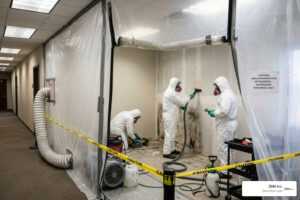
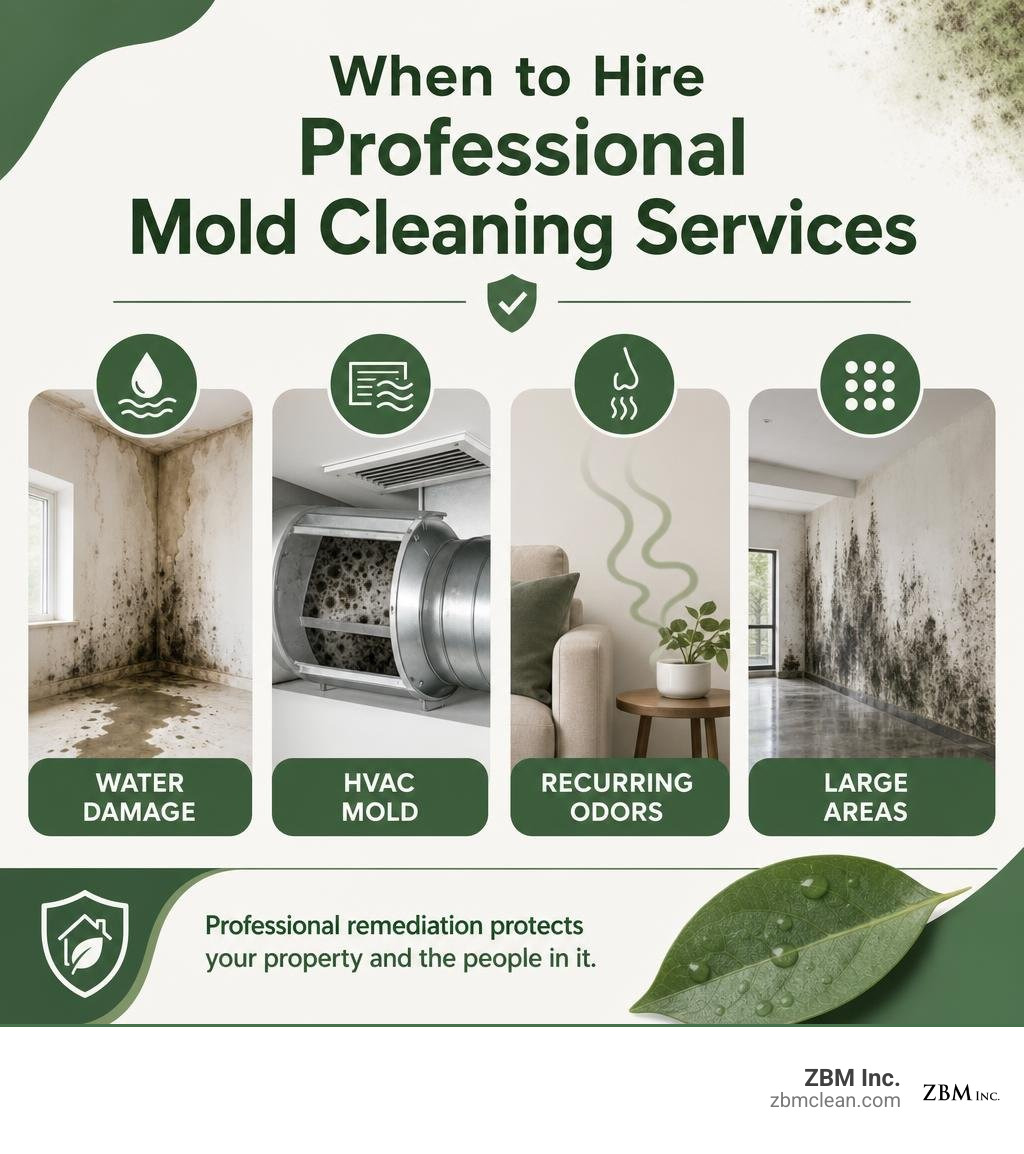
For commercial properties, professional mold cleaning services are worth the cost when mold is widespread, follows water damage, affects HVAC equipment, or keeps returning. A certified team can find the moisture source, isolate contaminated areas, remove damaged materials safely, filter airborne spores, and document the work for repairs or an insurance claim.
Mold can begin growing within 24 to 48 hours after a water event. What looks like a small stain may extend behind drywall, above ceilings, under flooring, or into insulation. Surface cleaning alone does not solve a moisture problem, and disturbing mold without containment can spread spores to clean areas.
For a busy property manager, the practical goal is simple: protect occupants, limit downtime, and stop further building damage. Professional remediation addresses both the visible growth and the conditions that allowed it to grow in the first place.
I am Terry Zastrow, owner of ZBM Inc., an IICRC-certified firm with approximately 30 years of experience serving public and private-sector facilities. Our training in restoration, safety, and specialized mold cleaning services supports careful work in occupied and high-demand properties.
Mold cleaning services word list:
- cost of mold abatement
- licensed mold remediation contractor
- mold removal and repair
The Hidden Risks of Mold and Why Surface Cleaning Fails
Many property owners assume that wiping down a discolored baseboard or scrubbing a dark patch on a wall completely eliminates a fungal problem. Unfortunately, surface wiping merely tackles what is visible to the naked eye. In real-world structures, fungal colonies operate like weeds: wiping the surface snaps the stem while leaving the root system embedded deep within organic building components.
When fungi establish colonies on drywall, framing lumber, or subflooring, their microscopic hyphae branch out into the porous cellular matrix of the material. Attempting to address this through DIY surface wiping is not only time-consuming and difficult without industrial equipment, but it frequently fails to resolve the underlying root structure. More critically, uncontained scrubbing agitates the fungal colony, releasing millions of microscopic spores into the indoor air.
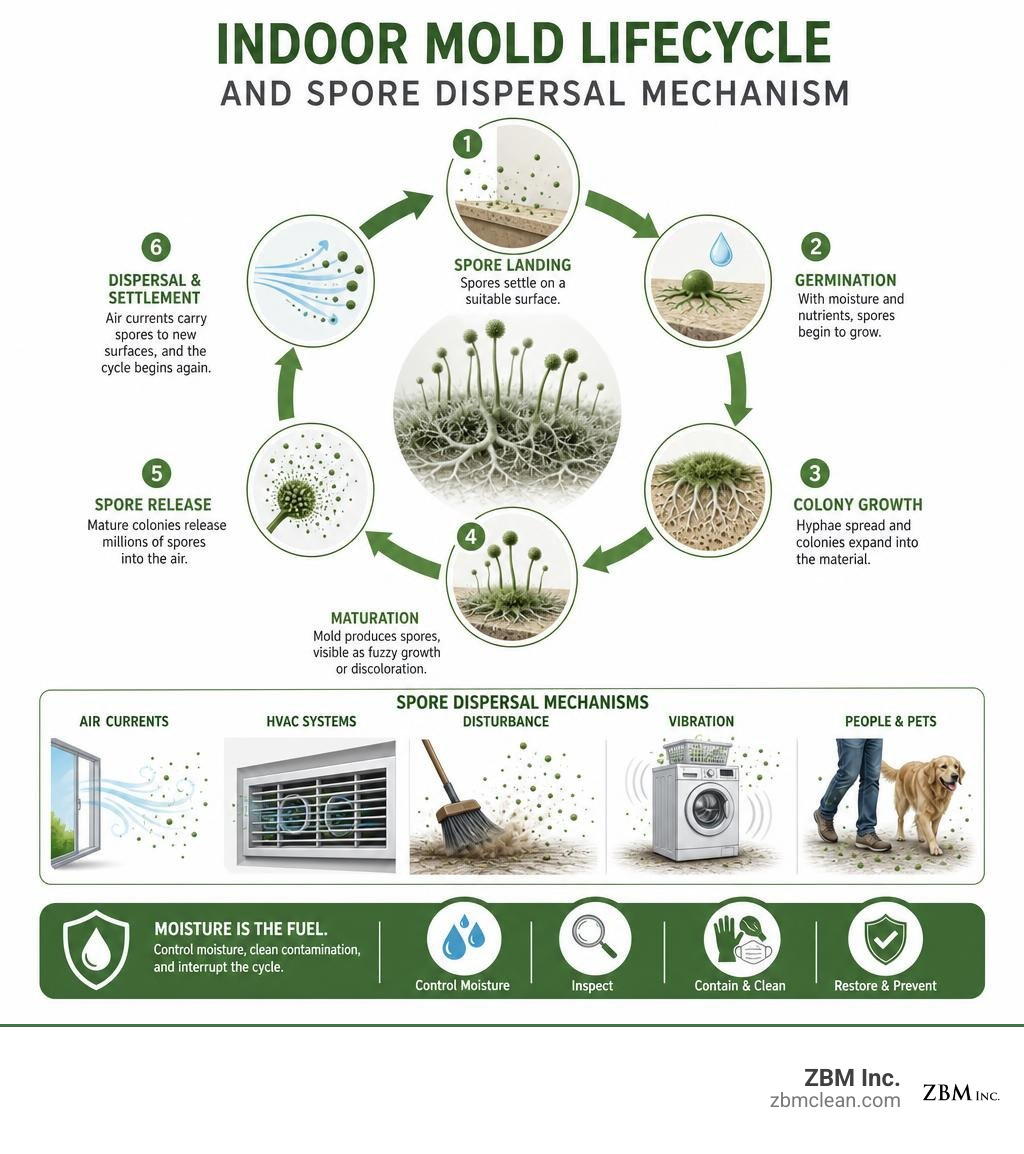
As colonies mature, they release spores and potentially dangerous chemical byproducts that degrade indoor air quality. Leaving fungal growth unchecked behind finished surfaces leads to structural wood rot, compromising the structural integrity of your building and causing expensive property devaluation. Uncovering the scary truth about mold hiding inside your walls often reveals widespread structural decay that surface cleaning could never prevent.
| Feature | DIY Surface Cleaning | Professional Remediation |
|---|---|---|
| Root Extraction | Surface-level only; roots remain embedded in materials | Deep extraction and removal of colonized substrates |
| Air Filtration | None; agitates spores into surrounding breathing zones | Industrial HEPA air scrubbers capture 99.97% of spores |
| Spore Containment | Spores freely cross-contaminate unaffected rooms | Physical poly barriers under continuous negative pressure |
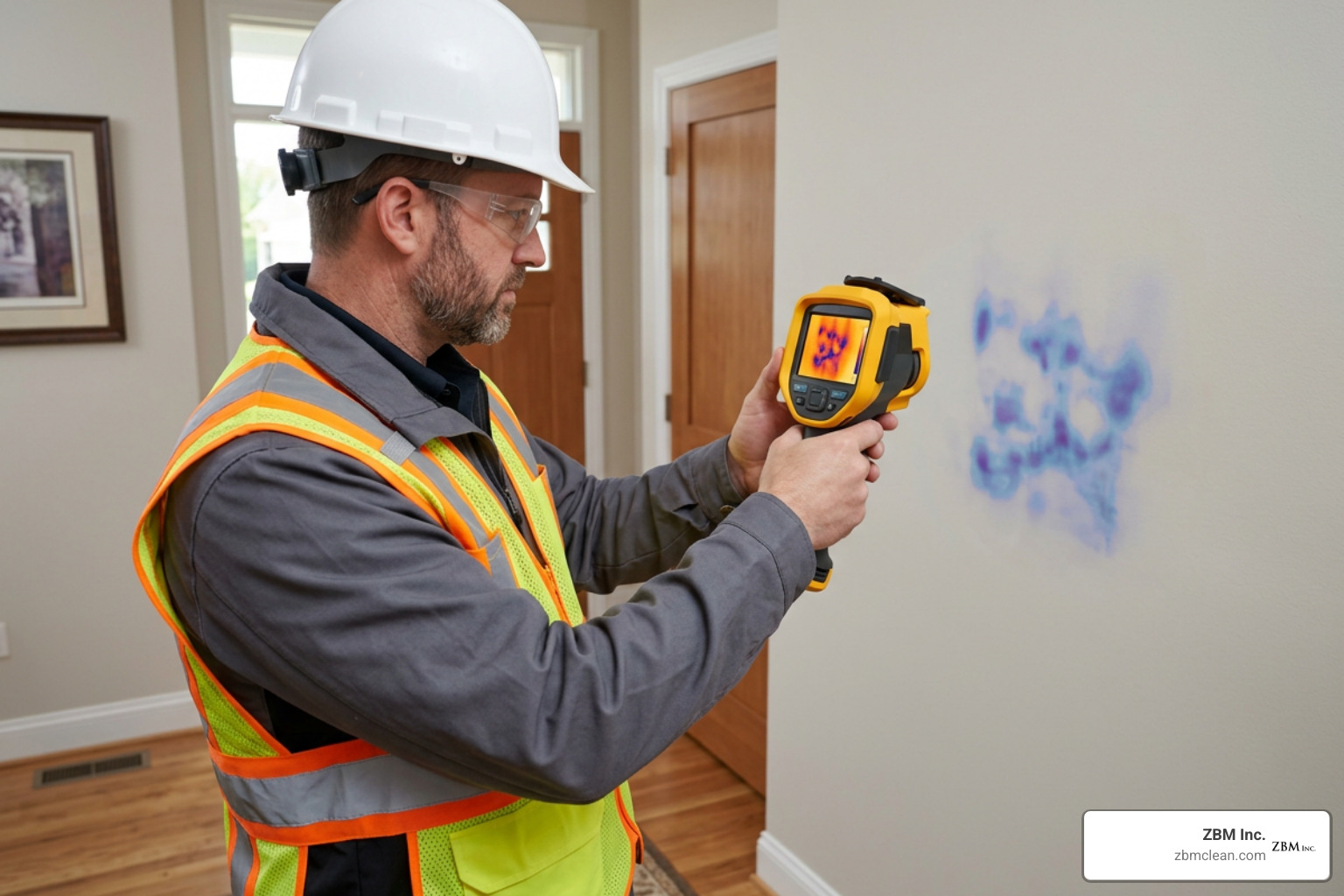
| Moisture Source Identification | Visual inspection only | Thermal imaging and scientific moisture mapping |
| Long-Term Guarantee | High probability of rapid fungal regrowth | Complete environmental restoration and source control |
Health Hazards and Vulnerable Populations
Indoor fungal contamination presents documented health concerns for building occupants. When colonies flourish, they release allergens, irritants, and volatile organic compounds (VOCs). Occupants exposed to elevated spore counts frequently experience persistent allergic reactions, chronic sinus congestion, throat irritation, coughing, and severe asthma flare-ups.
Certain fungal species produce potent secondary metabolites known as mycotoxins. These chemical agents settle on indoor dust and surfaces, posing heightened risks for vulnerable populations such as infants, the elderly, and individuals with compromised immune systems. Prolonged exposure can contribute to complex health challenges like Chronic Inflammatory Response Syndrome (CIRS) and Mast Cell Activation Syndrome (MCAS). Addressing these biological hazards requires specialized decontamination protocols, making it vital to understand toxic mold biohazard risks before attempting any uncontained cleanup.
The Myth of Bleach and Surface Disinfectants
One of the most persistent misconceptions in property maintenance is that household bleach eliminates indoor mold. While chlorine bleach may remove surface discoloration on non-porous surfaces like ceramic tile, it is ineffective on porous materials such as drywall, wood, and unsealed masonry.
Bleach contains an active chemical component that remains on the surface while its primary carrier—water—soaks deep into the porous substrate. This provides additional moisture to the embedded roots (hyphae). When exposed to harsh chemical disinfectants, colonies often enter a defensive survival mode, triggering a rapid release of millions of defensive spores and mycotoxins into the environment. Discovering the secret to killing black mold permanently involves physical removal under negative pressure and treatment with specialized EPA-registered antimicrobials rather than household bleach.
When to Call Professional Mold Cleaning Services for Your Home
Determining when an indoor fungal issue exceeds standard janitorial maintenance is critical to preventing cross-contamination and severe structural damage. The Environmental Protection Agency (EPA) provides a clear threshold: if the continuous area of fungal growth exceeds 10 square feet (roughly a 3-foot by 3-foot patch), standard cleaning methods are no longer appropriate, and certified remediation is required.
Furthermore, professional intervention is necessary following sudden water damage events—such as burst supply lines, appliance overflows, sewage backups, or roof leaks. Because mold colonizes damp organic building materials within 24 to 48 hours, rapid containment is crucial. If your property suffers from persistent musty odors, high indoor humidity, or recurring moisture intrusion, scheduling an inspection with a certified firm ensures hidden reservoirs are located and eliminated before they compromise the entire structure.
Signs of Hidden Contamination Behind Walls and Ceilings
Fungal colonies often thrive out of sight, concealed inside wall cavities, beneath subfloors, and across ceiling plenums. Recognizing early physical indicators of hidden moisture allows property owners to address contamination before structural components decay.
Common indicators of concealed moisture and fungal amplification include:
- Thermal Anomalies: Temperature variations across drywall surfaces identified using infrared thermal imaging cameras.
- Elevated Moisture Readings: Pin-type and non-invasive moisture meters detecting elevated moisture levels inside framing lumber and drywall.
- Surface Distortions: Peeling paint, bubbling wallpaper, and warped or swollen baseboards.
- Substrate Discoloration: Persistent dark stains, yellow water rings, or powdery efflorescence along floor-wall junctions.
- Musty Odors: Earthy, persistent smells emanating from electrical outlets, vents, or wall voids that worsen when the HVAC system runs.
Comprehensive Mold Cleaning Services for HVAC and Air Ducts
When mold infiltrates heating, ventilation, and air conditioning (HVAC) systems, it creates a direct delivery system that distributes microscopic spores to every connected room. Fungal colonies frequently develop on air handler coils, drain pans, flex ductwork, and fiberglass duct liners due to condensation and trapped organic particulate.
Operating a contaminated HVAC system spreads spores throughout the entire building envelope, contaminating furniture, carpeting, and ambient air. Remediating mechanical systems requires specialized negative pressure vacuums fitted with HEPA filtration, targeted antimicrobial misting, and careful sealing to protect clean areas. Learning about duct mold removal and prevention highlights why standard duct sweeps are insufficient when active fungal colonies compromise mechanical airflow systems.
Inside the Professional Mold Remediation Process
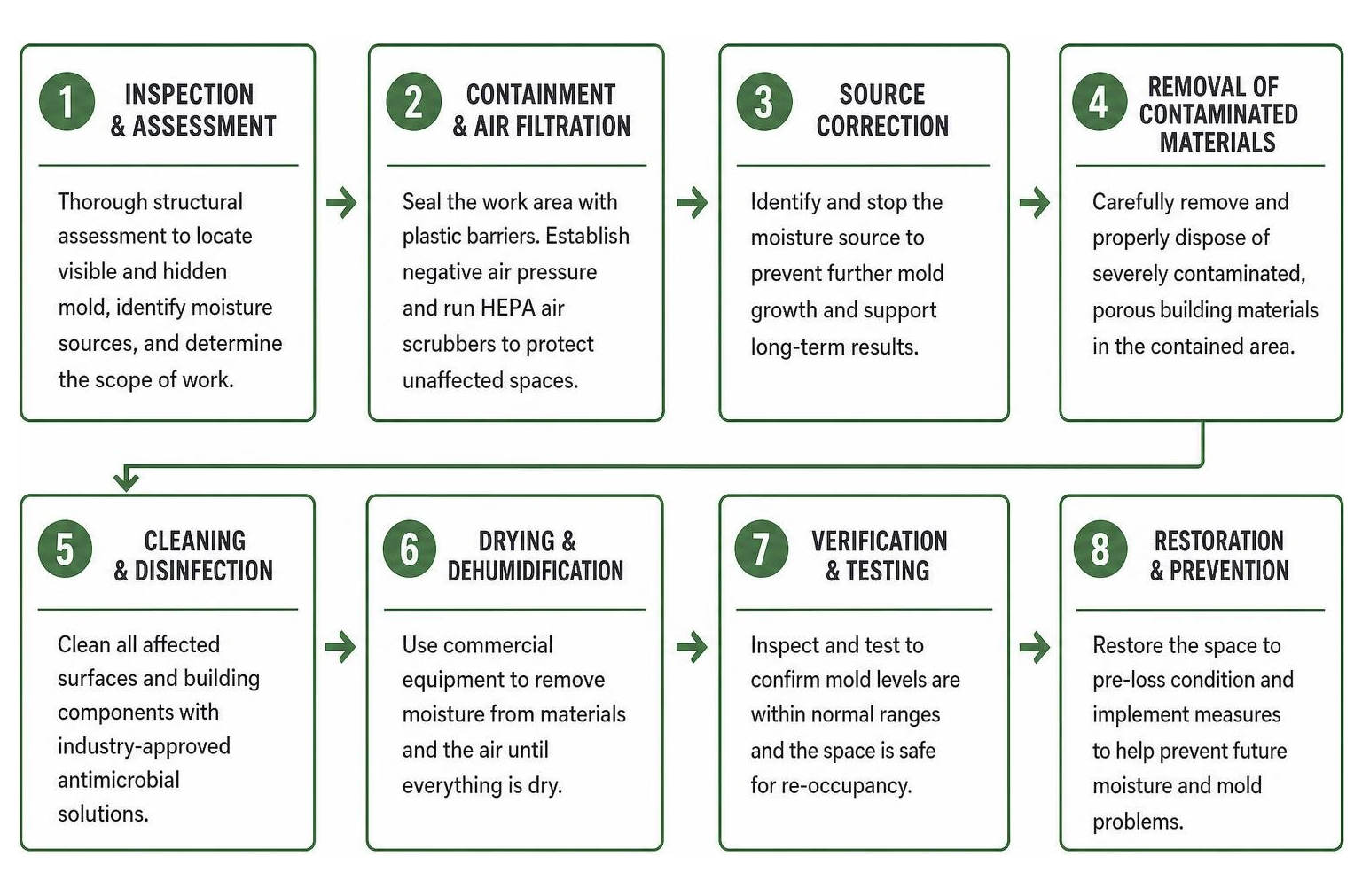
True mold remediation is a rigorous, science-based process governed by established industry benchmarks, specifically the ANSI/IICRC S520 Standard for Professional Mold Remediation. Unlike basic surface removal, professional remediation focuses on containment, source correction, structural cleaning, and restoring the indoor ecology to a normal, healthy baseline.
Following a thorough structural assessment, certified technicians implement a structured protocol to address both active colonies and airborne particulate. Following our step-by-step guide to toxic mold cleanup, the remediation workflow methodically prevents cross-contamination while preserving building materials.
Containment and HEPA Air Filtration Protocols
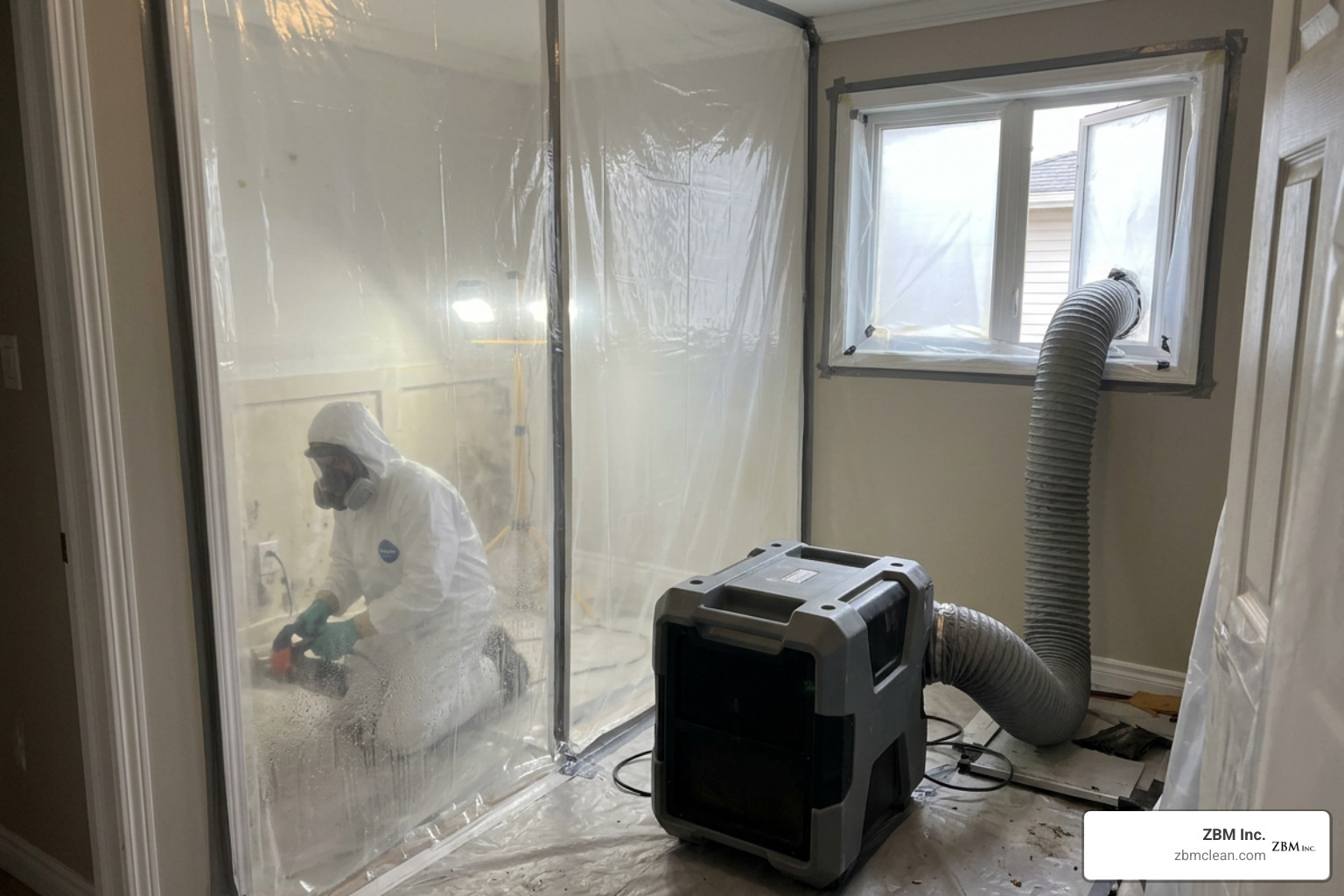
To protect unaffected zones of the property, technicians construct physical containment barriers using 6-mil flame-retardant polyethylene sheeting. These barriers isolate the work area, while heavy-duty negative air machines vent air to the exterior through sealed ducting.
By establishing continuous negative air pressure, air is drawn into the containment zone rather than escaping into clean living spaces. Inside the containment area, industrial HEPA air scrubbers run continuously, cycling the air volume multiple times per hour. These certified units capture airborne particles down to 0.3 microns with 99.97% efficiency—easily trapping microscopic mold spores ranging from 1 to 5 microns, as well as fragmented hyphae and settled dust.
Safe Removal, Antimicrobial Treatments, and Deep Drying
Once containment and negative pressure are established, technicians begin the careful removal of damaged, porous building materials that cannot be salvaged, such as water-logged drywall, saturated insulation, and tackless carpet strips. These materials are sealed in heavy-duty disposal bags within the containment zone to prevent spore dispersal during transit through the building.
Non-porous and semi-porous structural elements—like solid wood framing and concrete foundations—undergo rigorous HEPA vacuuming, mechanical abrasion, and detailed wet-wiping with EPA-registered botanical or broad-spectrum antimicrobials. Following physical cleaning, commercial desiccant or LGR dehumidifiers and industrial air movers are deployed to extract structural moisture. Technicians track moisture reduction using daily data logs until framing materials reach acceptable equilibrium moisture content (typically below 15%).
Costs, Insurance Claims, and Post-Remediation Prevention
Investing in professional remediation protects both structural equity and occupant wellness. Total project costs depend on factors such as the square footage of affected materials, containment complexity, structural drying needs, and whether HVAC systems or crawlspaces require encapsulation. Reviewing a detailed mold abatement cost breakdown helps property managers budget accurately for comprehensive remediation versus minor spot repairs.
To prevent future outbreaks, indoor relative humidity should consistently be maintained between 30% and 50% using dedicated dehumidifiers and proper ventilation. Ensuring exterior rainwater drains away from the foundation and quickly repairing plumbing leaks will protect your investment for years to come.
Navigating Homeowners Insurance for Remediation Claims
Navigating property insurance coverage for fungal remediation requires clear documentation and an understanding of policy language. In most policies, insurance coverage depends on the initial cause of loss:
- Covered Perils: Mold resulting from sudden and accidental water discharges—such as a burst pipe, water heater failure, or fire-suppression discharge—is generally covered up to standard policy limits.
- Excluded Perils: Mold resulting from continuous, long-term seepage, deferred maintenance, unaddressed humidity, or external groundwater flooding is typically excluded or subject to strict sub-limits.
Professional remediation companies streamline the claims process by using Xactimate—the industry-standard estimating platform preferred by insurance carriers. Certified technicians provide comprehensive loss documentation, including initial psychrometric readings, infrared moisture maps, daily drying logs, and third-party post-remediation clearance testing (PRV) to verify successful remediation for adjusters.
What to Look for When Choosing Professional Mold Cleaning Services
Selecting the right remediation contractor is the most important decision in resolving an indoor environmental problem. Avoid unlicensed handymen who offer quick, uncontained spray treatments that mask odors without addressing root structures or airborne spores.
When evaluating service providers, prioritize the following criteria:
- Industry Credentials: Verify that the firm and its supervisors hold certifications from recognized bodies such as the Institute of Inspection, Cleaning and Restoration Certification (IICRC).
- Licensing, Bonding, and Insurance: Ensure the company maintains comprehensive general liability insurance with specific pollution and biohazard liability riders.
- Transparent Scopes of Work: A reputable contractor provides a clear, itemized scope detailing containment protocols, equipment deployment, demolition boundaries, and drying goals.
- Third-Party Verification: Trustworthy firms welcome post-remediation clearance testing conducted by independent indoor environmental professionals (IEPs). If you need help vetting local experts, follow these guidelines on finding a trustworthy black mold removal company.
Frequently Asked Questions About Mold Remediation
How quickly does mold grow after water damage?
Active fungal growth begins within 24 to 48 hours of initial water contact on organic materials like drywall, carpet backing, ceiling tiles, and wooden studs. High indoor humidity and warm temperatures accelerate spore germination, making emergency water extraction and professional drying essential immediately following any leak or flood.
What is the difference between mold removal and mold remediation?
Mold removal refers to the physical removal of visible surface growth, which often leaves root systems and airborne spores behind. Mold remediation is a comprehensive, scientific process that includes establishing negative-pressure containment, running HEPA air scrubbers, physically removing unsalvageable porous substrates, treating framing with EPA-registered antimicrobials, and resolving the underlying moisture source to restore the indoor environment to normal baseline fungal ecology.
Can I stay in my home during mold remediation?
For localized remediation projects confined to a single room with secure poly containment and negative air machines, occupants can often remain in unaffected areas of the home. However, if the contamination involves extensive structural demolition, central HVAC ductwork, or high levels of toxic spores, temporary relocation is strongly recommended—especially for children, the elderly, pets, or individuals with respiratory conditions.
Conclusion
Addressing fungal contamination requires specialized equipment, technical expertise, and a scientific approach to moisture management. Attempting DIY surface cleanups on large-scale growth often leaves hidden colonies intact, spreads airborne spores throughout the property, and risks long-term structural wood rot.
At ZBM Inc., our certified, licensed, bonded, and insured team brings decades of field experience to residential and commercial properties throughout Watertown, WI, Jefferson County, Dodge County, Minocqua, Lake Mills, and the broader Southeastern Wisconsin and Northwoods regions. We combine infrared moisture diagnostics, strict ANSI/IICRC containment protocols, and HEPA air filtration to protect your building’s structural integrity and restore clean indoor air.
If you suspect hidden moisture or uncontained fungal growth in your property, schedule professional biohazard and toxic mold cleanup with our certified restoration team today.