Comprehensive Standards and Schedules for Deep Cleaning for Restaurants
Every commercial kitchen runs on a tight operational rhythm, but standard shift closing rarely addresses the underlying grease migration that occurs during peak volume. Routine maintenance wipes down prep tables and sanitizes surfaces, while deep degreasing eliminates the hidden carbon and fat reserves trapped beneath heavy cooktops, inside floor drains, and across structural surfaces. Without periodic, comprehensive intervention, microscopic soil accumulation creates severe cross-contamination hazards, reduces equipment lifespan, and violates basic Food Code standards.
Core Protocols in Deep Cleaning for Restaurants
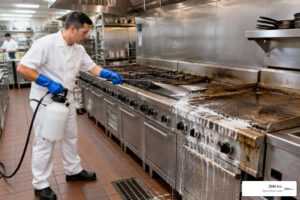
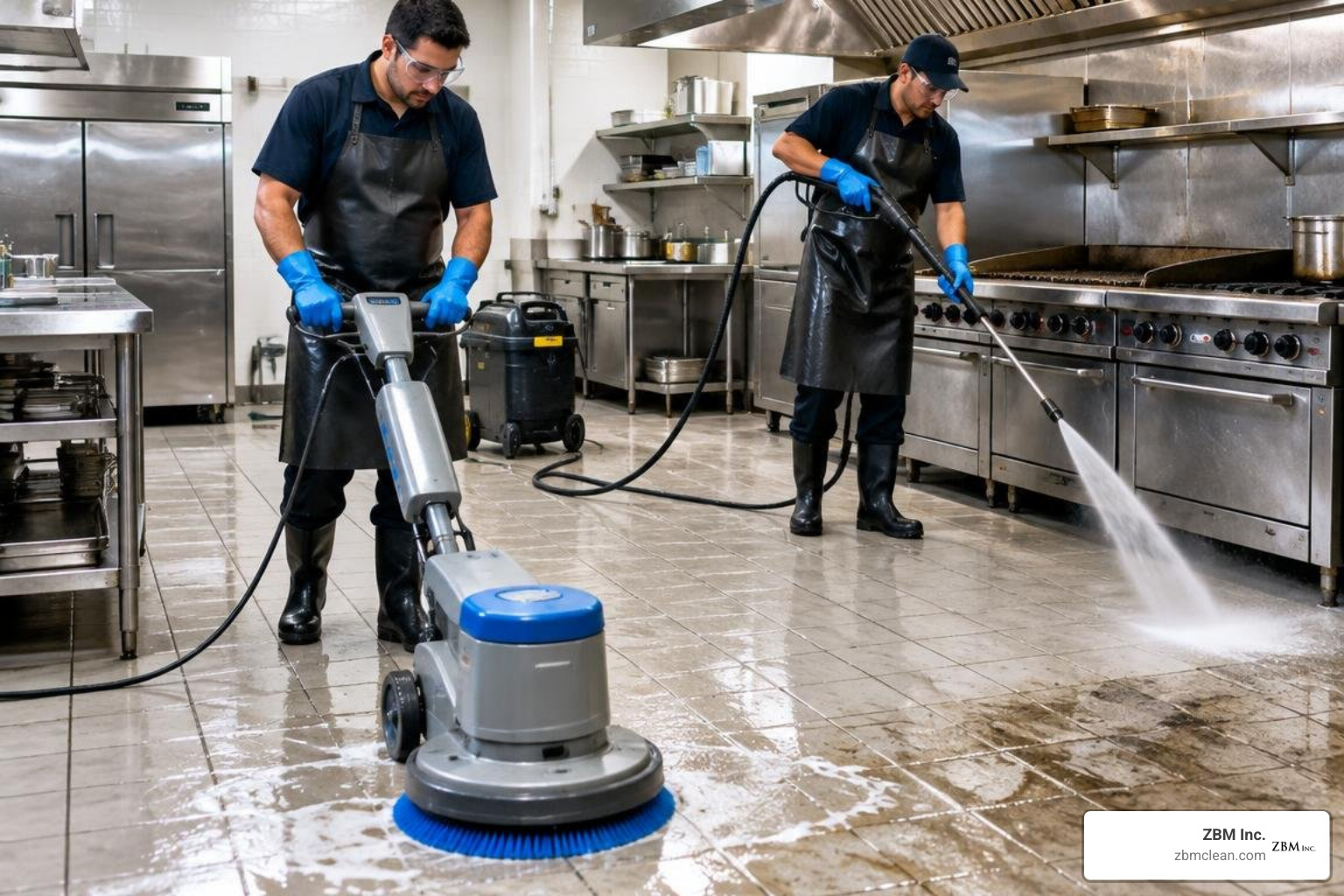
A thorough kitchen reset addresses several high-risk zones that daily routines cannot tackle. The cook line requires pulling out heavy fryers, ranges, and flat-tops to clear flammable grease layers from adjacent stainless steel walls and utility hookups. Grease-caked condenser coils force refrigeration compressors to run hot, increasing utility bills and causing unexpected motor burnouts during hot summer rushes. These structural targets demand commercial-grade equipment and experienced technicians, which is why many operators rely on professional commercial kitchen deep cleaning services rather than exhausting in-house crews.
Managing these intense tasks internally often proves exceptionally difficult for kitchen staff. Attempting heavy fryer boil-outs, clearing impacted floor sinks, and scraping carbonized grease without commercial-grade equipment takes hours of exhausting labor that exhausts employees and rarely removes the deeply set residue. Photo verification has become an essential quality standard in modern kitchen management, allowing managers to inspect hard-to-see areas like the underside of cooktops, drain baskets, and cooler gaskets after a comprehensive professional service.
NFPA 96 Compliance and Frequency Standards for Exhaust Systems
Commercial ventilation hoods, ductwork, and rooftop exhaust fans accumulate vaporized grease that presents a severe structural fire threat. Roughly 5,600 restaurant building fires occur annually across the United States, with cooking operations responsible for 64 percent of them. Because grease buildup inside concealed ductwork acts as an accelerant, the National Fire Protection Association (NFPA) enforces strict inspection intervals under the NFPA 96 standard.
Local fire marshals review exhaust inspection documentation to ensure kitchens meet mandatory fire prevention thresholds. Certified exhaust cleaning specialists document compliance and help protect facilities from devastating fire losses while maintaining property insurance coverage.
| Cooking Volume and Fuel Type | NFPA 96 Inspection Interval | Primary Kitchen Types |
|---|---|---|
| Solid Fuel Operations | Monthly | Wood-fired pizza, charcoal grills, wood smokers |
| High-Volume Cooking | Quarterly (Every 3 Months) | 24-hour diners, heavy frying, charbroiling, fast food |
| Moderate-Volume Cooking | Semi-Annually (Every 6 Months) | Standard sit-down restaurants, casual dining |
| Low-Volume Cooking | Annually (Every 12 Months) | Seasonal facilities, day camps, senior center warming kitchens |
Structuring a Multi-Tiered Schedule for Deep Cleaning for Restaurants
Creating an effective operational strategy requires layering sanitation tasks across clear time horizons. Daily non-negotiables focus on line wipe-downs, sweeping, and surface sanitation. Weekly priorities tackle fryer oil filtration and line wheel-outs, while monthly and quarterly tasks reset interior walk-ins, condenser coils, floor grout, and exterior ventilation surfaces.
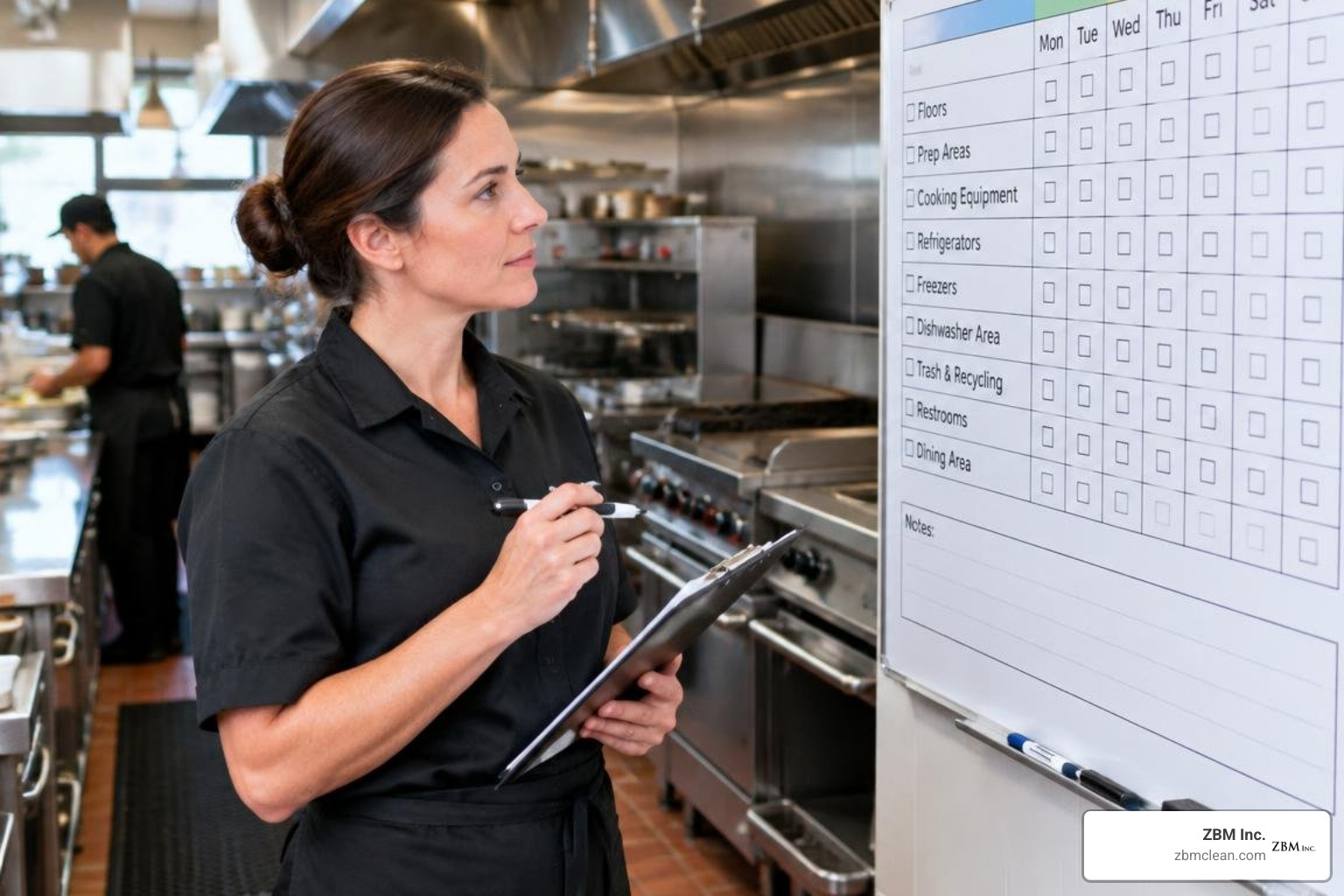
Documenting these intervals on a central calendar protects against operational blind spots. A structured commercial kitchen cleaning schedule ensures that high-volume wear does not outpace your sanitization efforts, and partnering with certified professionals keeps every tier of the schedule on track without overburdening staff.
Operational Execution: Overcoming Hidden Hazards and Choosing Professional Support
Neglecting deep kitchen care creates cascading financial and operational liabilities. As grease thickens on motors and fans, appliances work harder, drawing excess electrical power and degrading mechanical components prematurely. Lingering fat deposits also ruin subtle food aromas and diminish customer trust when stale cooking odors seep into public dining areas.
Uncovering Hidden Costs and Overlooked Kitchen Sanitation Hazards
Putting off periodic deep sanitation carries steep hidden costs. When grease accumulation in ventilation systems or cooking lines violates fire or health codes, authorities can mandate immediate operational shutdowns. An unplanned weekend closure during a busy service cycle can easily cost tens of thousands of dollars in lost food sales, emergency service surcharges, and reputational damage.

Overlooked contamination reservoirs frequently cause failed health inspections and persistent odors:
- Commercial Ice Machines and Beverage Dispensers: Slime and scale accumulate inside distribution tubing and soda nozzles, creating serious health code citations.
- Deep Floor Grout and Baseboards: Porous tile grout absorbs animal fats and wash water, turning dark and harboring foul-smelling bacterial colonies. Restoring these surfaces requires specialized commercial floor cleaning services rather than standard mop buckets.
- Drain Basins and Grease Interceptors: Organic buildup inside floor sinks causes slow drainage and invites drain flies, requiring dedicated sanitation beyond basic line clearing.
- Restroom and Public Hygiene Touchpoints: Odors migrate easily into dining rooms without dedicated sanitization protocols like a professional commercial restroom cleaning service in Wisconsin.
In-House Staff Execution vs. Hiring Professional Cleaning Services
While daily surface care is an essential part of line staff duties, relying entirely on in-house culinary teams for intensive deep cleaning often backfires. Kitchen staff lack the industrial pressure equipment, specialized chemical extraction tools, and personal protective gear necessary to strip baked-on carbon or decontaminate heavily soiled utility areas. Forcing exhausted cooks to perform heavy manual labor after long shifts damages morale, leads to rushed, superficial cleaning, and leaves underlying health and fire hazards completely unresolved.
Partnering with certified professionals provides the specialized equipment and deep-cleaning expertise required to restore your facility safely and thoroughly. At ZBM Inc., we bring over three decades of field-tested building maintenance experience to every project. We are a family-owned, licensed, bonded, insured, and certified cleaning company proudly serving businesses throughout Watertown, WI, Dodge County, Jefferson County, Lake Mills, Southeast Wisconsin, and the Northwoods. Whether your facility needs comprehensive sanitation resets, floor degreasing, or biohazard remediation, reaching out to our team for professional commercial cleaning services in Dodge and Jefferson County, WI guarantees your commercial kitchen remains safe, compliant, and ready for service.