Understanding Trauma Site Restoration in the Northwoods
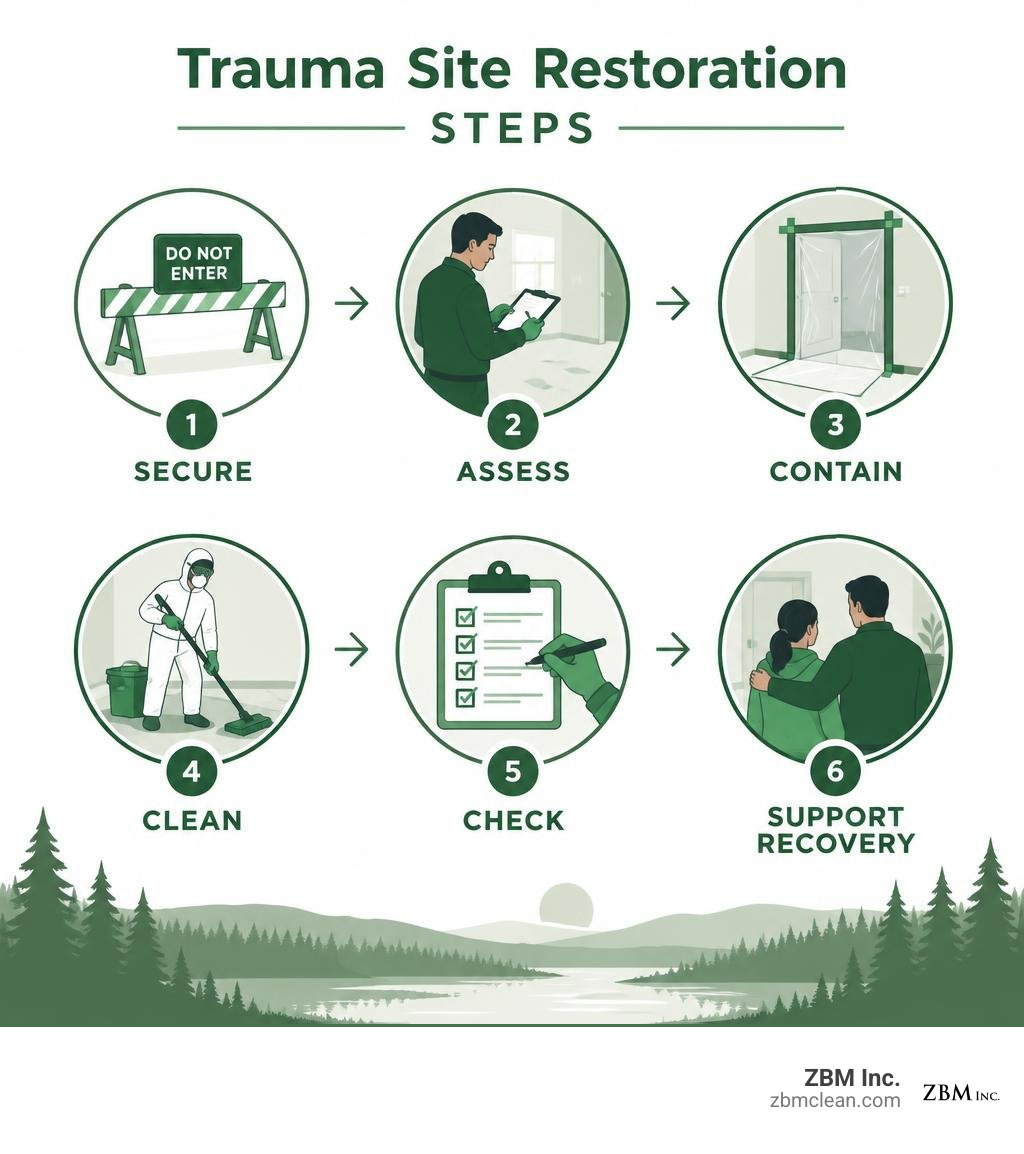
Trauma site restoration in the Northwoods starts with safety. Keep people out of the affected area, wait for emergency responders to clear the site, and do not touch blood or other potentially hazardous material. A certified cleanup team can then assess the damage, contain the area, remove affected materials, clean and disinfect the space, and check it before people return.
Restoration has a human side, too. A building may be ready to use before the people affected feel ready to return. Give both the cleanup and the people involved the time and care they need.
I’m Terry Zastrow, owner of ZBM Inc., a certified cleaning firm with nearly 30 years of operational history. My training in workplace safety and experience with biohazard cleanup and disaster recovery shape this trauma site restoration Northwoods guide.
Trauma site restoration Northwoods vocabulary:
The concept of restoration across northern Wisconsin is deeply multifaceted. Whether addressing physical contamination inside a home or cabin, witnessing timberland recover after a catastrophic blowdown, or supporting families through profound loss, restoration represents a journey back to balance. The physical landscape of the Northwoods—with its towering pines, serene lakes, and harsh seasonal transitions—serves as both a backdrop to life-altering events and an enduring setting for renewal.
True healing demands that we respect the distinct pathways of physical remediation, ecological resilience, and emotional stabilization.
Core Pillars of Trauma Site Restoration in the Northwoods

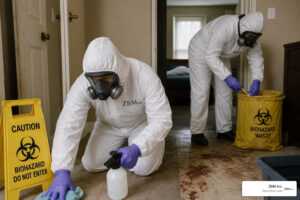
When an emergency occurs within a residence, vacation cabin, or commercial facility, proper remediation requires strict adherence to biological safety standards. Trauma scenes frequently involve biological hazards, bloodborne pathogens, and structural contamination that cannot be addressed with standard housekeeping supplies.
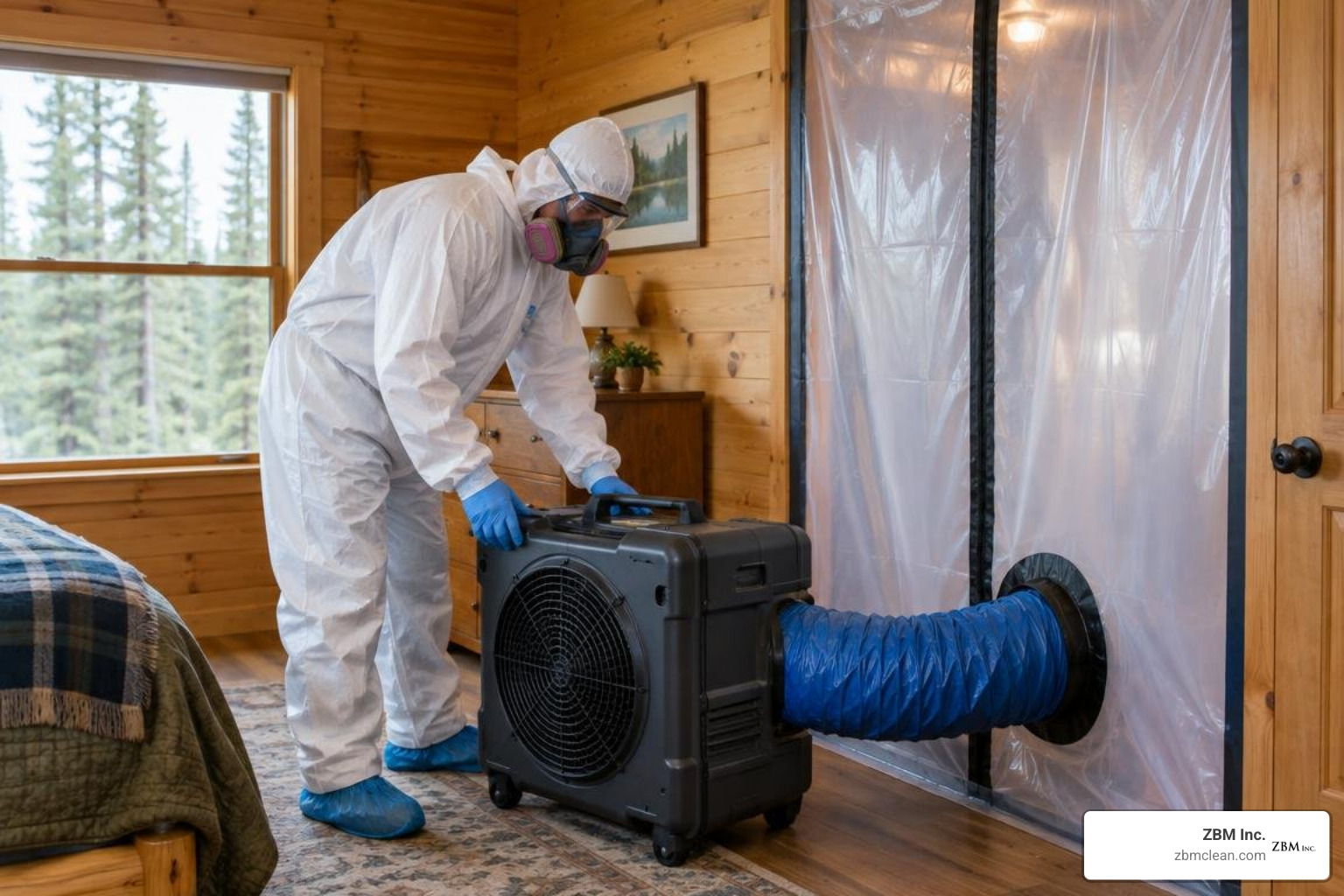
Professional crews establish cross-contamination control zones using negative air pressure machines and heavy-duty containment barriers. Every stage of the remediation process is executed under strict standards established by regulatory bodies, ensuring that all biological risks are neutralized. Understanding the trauma and crime scene cleanup key regulations protocols and safety guidelines guarantees that technicians remain safe in full personal protective equipment while protecting property owners from dangerous secondary exposures.
Physical and Biohazard Trauma Site Restoration Northwoods Properties Require
Remediating physical trauma requires rigorous decontamination protocols, structural tear-outs of compromised subflooring or drywall, and hospital-grade EPA-registered sanitizers. Certified technicians use Adenosine Triphosphate (ATP) testing to verify on a cellular level that surfaces are thoroughly sanitized before declaring a site safe for occupancy.
Attempting to clean a severe trauma scene on your own is exceptionally time-consuming, emotionally draining, and hazardous. Household disinfectants cannot penetrate deep subfloors, and standard vacuuming disperses airborne pathogens throughout ventilation systems. When untrained individuals attempt DIY cleaning, hidden biological materials are often left behind, leading to lingering odors, mold growth, structural rotting, and serious health risks. Trusting certified professionals ensures that deep deodorization, thorough material removal, and complete sanitization occur without putting your well-being on the line.
| Remediation Factor | Professional Certified Remediation | Hazardous DIY Cleaning Attempts |
|---|---|---|
| Pathogen Neutralization | Hospital-grade, EPA-registered broad-spectrum disinfectants | Household cleaners that fail to eliminate bloodborne pathogens |
| Structural Infiltration | Safe extraction and disposal of porous subflooring, trim, and drywall | Surface wiping that leaves bio-fluids festering beneath floorboards |
| Air Quality & Odors | Industrial HEPA filtration, hydroxyl generators, and ozone treatments | Scented sprays that mask odors without removing airborne contaminants |
| Verification Standards | ATP bioluminescence testing to confirm biological eradication | Visual inspection only, missing invisible pathogenic residues |
| Legal Compliance | Regulated medical waste manifest and licensed transport | Illegal disposal of biohazardous materials in municipal trash |
Understanding the science of clean professional crime scene cleanup methods highlights why specialized equipment is required to restore peace of mind.
Ecological Parallels: Forest Storm Recovery and Wildlife Rehabilitation
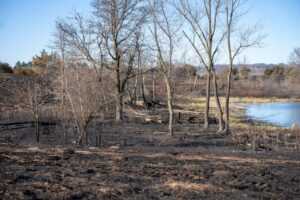
The principles of physical trauma cleanup closely mirror the ecological restoration seen throughout Wisconsin’s forests. Consider the severe July 2019 storm that swept through northern Wisconsin, damaging roughly 100,000 acres of timber within the National Forest in Oconto County. Foresters and logging crews spent years carefully executing salvage logging around historical landmarks like the Mountain Fire Lookout Tower. By clearing hazardous blowdowns under frozen winter ground conditions to protect sensitive forest soils, crews reduced catastrophic fire hazards and allowed the natural forest floor to regenerate.
A similar story of dedicated rehabilitation unfolded at the Northwoods Wildlife Center, where an orphaned, severely injured white-tailed deer fawn arrived requiring specialized veterinary intervention. After undergoing enucleation surgery to remove a badly damaged eye, the fawn spent 113 days in intensive rehabilitation before being safely released back into the wild. Because deer rely heavily on collective herd vigilance and their keen senses of smell and hearing, the animal successfully adapted to its environment. Just as damaged timberlands and injured wildlife recover through patience and skilled care, built environments can be restored to safety following severe structural trauma.
Cultivating the New Normal: Human Recovery, Land-Based Healing, and Community Care
Restoration extends far beyond scrubbing physical surfaces; it involves supporting human resilience as families navigate unexpected tragedy. Specialized wilderness initiatives, such as the experiential trauma programs previously conducted at New Vision Wilderness outdoor therapy in Medford, demonstrate the profound role natural landscapes play in resetting the human nervous system.
Similar principles are seen in broader land-based initiatives, such as the remote healing camp near Deline where participants integrated traditional practices like medicine walks with therapeutic education, laying the groundwork for supportive facilities like the 24-bed Endacho Trauma Healing Lodge.

Pioneering authors and psychologists like Dr. Clarissa Pinkola Estés have long emphasized community-based post-trauma recovery protocols that empower individuals after formal responders leave. Veteran and advocate Antoinette Berrafato frequently highlights how individuals can define an empowering “new normal” following life-altering trauma. When families experience devastating personal crises, accessing compassionate and discreet suicide scene cleanup in Lake Mills removes the painful visual burden of tragedy, allowing loved ones to focus wholly on grief, community support, and emotional renewal.
Navigating Restoration Timelines and Choosing Certified Professional Teams
Restoring a property after a traumatic event is a multi-phase endeavor. Technicians must first isolate the affected area with heavy plastic containment barriers and negative air scrubbers. Once the perimeter is secure, damaged porous materials are carefully removed, surfaces are repeatedly treated with specialized antimicrobial compounds, and all biohazardous waste is sealed in DOT-approved containers for licensed thermal destruction.
Key Challenges and Timelines in Trauma Site Restoration Northwoods Communities Face
Remediation in northern Wisconsin comes with unique logistical challenges. Sub-zero winter temperatures can freeze biological materials, complicate equipment operations, and make remote properties in areas like Minocqua or rural Northwoods tracts difficult to access quickly.
Tackling these severe environments without specialized help is nearly impossible. Attempting DIY remediation under these conditions not only exposes property owners to bloodborne pathogens but can also result in long-term structural rot if moisture and biological fluids remain trapped behind baseboards or beneath hardwood floors.
Certified remediation specialists know how certified crews disinfect and remediate severe crime scenes safely, quickly, and discreetly. When facing unforeseen property damage or traumatic loss, relying on expert accident and death scene sanitization in Wisconsin guarantees that every safety protocol is strictly observed.
Selecting Certified Remediation Partners for Long-Term Healing and Safety
When your home or business requires biohazard decontamination, selecting the right partner is essential. Never settle for an uncertified general cleaning service. Look for a licensed, bonded, and insured team whose technicians hold industry-recognized biohazard certifications and follow strict OSHA compliance.
At ZBM Inc., our family-owned team based in Watertown, WI brings certified expertise and deep compassion to every call. We serve communities across Dodge County, Jefferson County, Watertown, Southeast Wisconsin, Minocqua, and the greater Northwoods. Our certified professionals arrive in discreet vehicles, manage every detail of the biohazard containment and structural disinfection, and return your property to a safe, clean state so you can move forward with confidence.
To learn more about finding certified specialists who prioritize safety, discretion, and care, consult an essential guide to hiring a certified crime scene cleanup professional and explore your complete guide to crime scene cleanup companies for total property protection.