When a Biohazard Strikes in Dodge County, Here’s What You Need to Know
Biohazard disinfection in Dodge County requires immediate professional response — not a mop and a bottle of bleach.
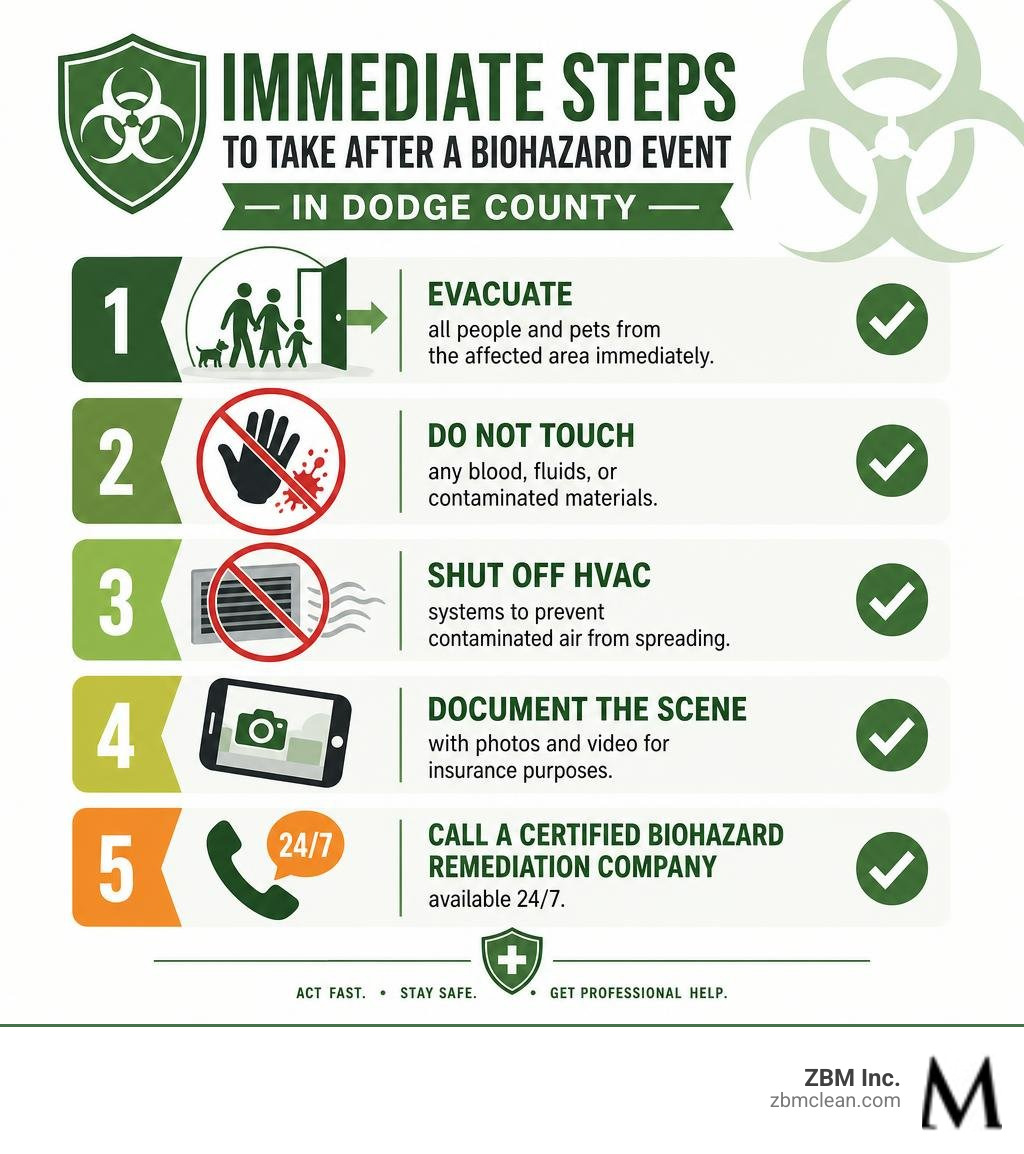
Here’s a quick overview of what to do if you’re facing a biohazard situation right now:
- Evacuate all people and pets from the affected area immediately
- Do not touch any blood, fluids, or contaminated materials
- Shut off HVAC systems to prevent contaminated air from spreading
- Document the scene with photos and video for insurance purposes
- Call a certified biohazard remediation company — available 24/7
Whether you’re managing a commercial property in Watertown or dealing with an unexpected crisis at a facility in Beaver Dam, a biohazard event is one of the most stressful situations you’ll ever face. Blood spills, unattended deaths, sewage backups, hoarding conditions — these aren’t just unpleasant. They’re genuinely dangerous, carrying pathogens that can survive long after a scene appears visually clean.
The stakes are high, and the window for safe, effective cleanup is short.
I’m Terry Zastrow, owner of ZBM, Inc., an IICRC-certified firm with nearly 30 years of experience providing biohazard disinfection in Dodge County and surrounding areas for municipalities, commercial clients, and property managers. In this guide, I’ll walk you through exactly what the remediation process looks like, what regulations apply, and how to protect your property and the people in it.
Explore more about biohazard disinfection Dodge County:
Understanding Biohazard Disinfection Dodge County
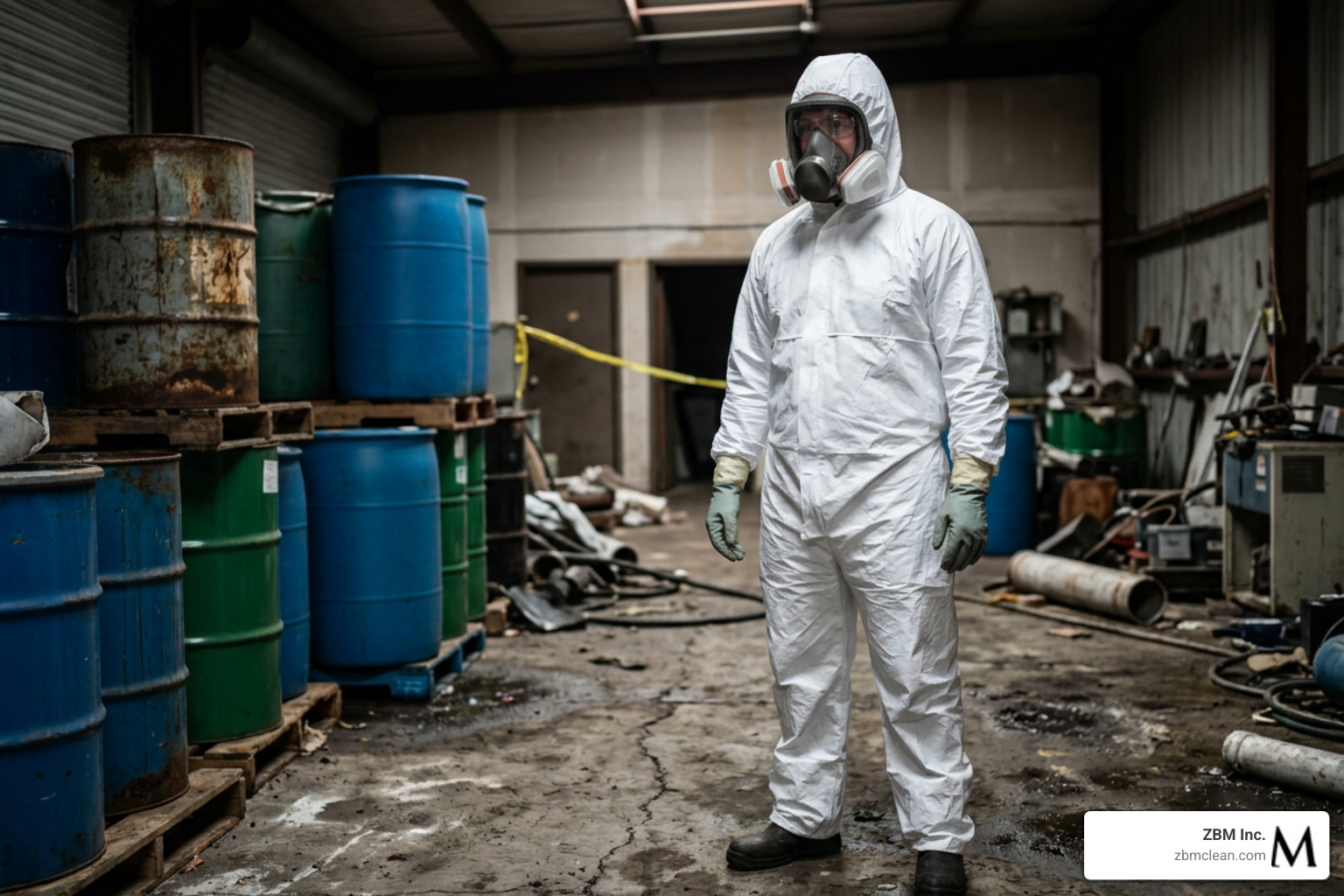
When we talk about biohazard disinfection, we are not talking about standard janitorial sweeping and dusting. Biohazard remediation is a highly specialized field that deals with the containment, cleanup, disinfection, and legal disposal of materials that pose a biological hazard to human health.
But what exactly qualifies under this umbrella? To protect your property, you must first understand What is biohazardous waste?. Biohazardous waste includes any biological material that can transmit infectious diseases. This includes human blood, bodily fluids, fecal matter, animal remains, biological laboratory waste, and materials contaminated by dangerous pathogens.
When these materials are left in an indoor environment, they begin to break down rapidly. Pathogens such as Hepatitis B and C, HIV, MRSA, and Clostridioides difficile (C. diff) can remain active and infectious on surfaces for days, or even weeks, if not properly neutralized. This is Why professional biohazard cleanup is necessary. Attempting to clean these areas without specialized training, industrial-grade disinfectants, and personal protective equipment (PPE) exposes you to severe health risks. It also risks spreading the contamination further through the building’s HVAC system or tracking it into unaffected rooms.
Common Situations Requiring Biohazard Disinfection Dodge County
In our decades of serving Southeastern Wisconsin, we have seen almost every type of biological contamination. The situations requiring professional biohazard disinfection Dodge County property owners encounter most frequently include:
- Unattended Deaths and Decomposition: When a loved one or tenant passes away and is not discovered for days or weeks, the natural decomposition process releases highly toxic gases, fluids, and intense odors. This biological material saturates nearby porous structures like drywall, subflooring, and carpeting.
- Crime Scenes and Traumatic Injuries: Incidents involving violent crime, self-harm, or severe industrial accidents often result in significant blood loss. These scenes must be meticulously decontaminated after law enforcement finishes their investigation.
- Severe Hoarding and Animal Contamination: Extreme hoarding environments often involve accumulated trash, rotten food, animal or human feces, urine, and sometimes deceased pests. These conditions create severe respiratory hazards, including airborne mold spores and hantavirus.
- Sewage Backups and Black Water Flooding: When sewer lines back up into commercial or residential properties, they bring millions of live bacteria, parasites, and viruses. This water is classified as Category 3 (black water) and requires immediate professional sanitization.
To understand how these situations are managed at a community level, we can look at local government policies. For instance, the Dodge County Sheriff’s Office property removal guidelines establish strict standards for how personal property is handled, removed, and disposed of during legal evictions or official actions. When biohazards are present on these properties, the disposal must align with state environmental laws to ensure that contaminated materials do not end up in standard municipal landfills. Understanding these Common situations requiring cleanup helps property owners recognize when it is time to put down the household spray and call in certified professionals.
Why Regular Cleaning Fails Against Biohazards
It is a common misconception that a standard commercial cleaning crew or a dedicated DIYer with household bleach can resolve a biohazard event. The reality is that regular cleaning methods are completely inadequate for biological contamination.
First, standard cleaning focuses on surface appearance. It removes visible dirt and dust but does not address microscopic pathogens. Biohazards like blood and bodily fluids are highly viscous; they seep deep into porous materials such as grout lines, wood subflooring, drywall, and carpet padding. If you simply wipe down the surface, the pathogens underneath remain active. Over time, they will continue to multiply, causing structural rot, mold growth, and persistent, toxic odors.
Second, ordinary cleaning chemicals are not rated to kill highly resilient bloodborne pathogens. To truly disinfect a space, we must use EPA-registered, hospital-grade broad-spectrum disinfectants that have specific dwell times (the amount of time the chemical must remain wet on a surface to kill target organisms).
To clarify what goes into a professional response, it helps to understand What biohazard cleaning services include. Our teams do not just clean; we isolate the area, set up negative air pressure systems to scrub the air of pathogens, physically remove contaminated structural elements that cannot be salvaged, and use specialized testing equipment to verify that the space is biologically safe.
The Professional Biohazard Remediation Process

When our team arrives at a property in Dodge County, we follow a highly structured, scientific protocol. We treat every scene with the utmost seriousness, recognizing that proper remediation is a matter of public safety.
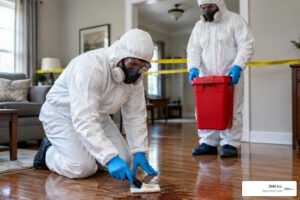
The first step in any professional response is containment. We establish physical barriers using heavy-duty plastic sheeting to isolate the affected area from the rest of the building. This prevents cross-contamination and ensures that airborne pathogens do not migrate. Within this containment zone, we set up HEPA-filtered air scrubbers to establish negative air pressure, drawing air out of the room through specialized filtration systems to remove odors and aerosolized particles.
Once containment is secure, the physical cleanup begins. We systematically remove all visible biohazards, blood, and fluids. Porous items that have been saturated—such as carpeting, underlayment, and drywall—must be carefully cut out, double-bagged in biohazard-marked bags, and prepared for legal disposal. Non-porous surfaces are then treated with EPA-registered disinfectants.
This process highlights How biohazard cleanup services help in times of crisis. Beyond the technical cleaning, we take the heavy burden off the shoulders of grieving families or stressed business owners. By executing the 7 job responsibilities of cleanup companies—which include hazard assessment, containment, structural removal, disinfection, deodorization, waste disposal, and safety verification—we restore the property to a completely safe, habitable state.
Safety Protocols and Certifications for Biohazard Disinfection Dodge County
Every step of our process is governed by strict federal, state, and local regulations. Dealing with hazardous biological materials is not something that can be done casually; it requires rigorous compliance to protect both our technicians and the future occupants of the building.
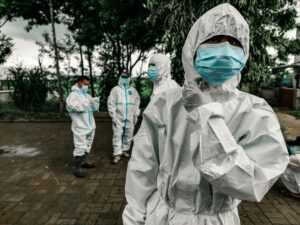
The primary regulatory framework governing our work is the OSHA Bloodborne Pathogens Standard (29 CFR 1910.1030). This standard requires that any worker exposed to blood or other potentially infectious materials (OPIM) must have comprehensive safety training, access to appropriate personal protective equipment (PPE), and receive Hepatitis B vaccinations. Our technicians wear full-body protective suits, double-nitrile gloves, boot covers, and full-face respirators with organic vapor cartridges to ensure they do not inhale or absorb pathogens.
Additionally, our work is guided by the IICRC (Institute of Inspection, Cleaning and Restoration Certification) S540 Standard for Trauma and Crime Scene Cleanup. This standard outlines the professional benchmarks for evaluating, cleaning, and validating the decontamination of trauma scenes.
To understand the depth of training required for this work, you can read Everything you need to know about biohazard cleaning certification. These certifications ensure that we use the correct EPA-registered disinfectants, follow lawful waste disposal chains, and perform rigorous testing—such as Adenosine Triphosphate (ATP) monitoring—to scientifically prove that a surface is free of biological activity before we hand the keys back to you.
Discretion, Compassion, and Valuables Recovery
While technical precision is vital, the human element of biohazard remediation is just as important. Many of our calls come in during the worst moments of our clients’ lives. Whether it is a sudden loss of a family member, a traumatic accident at a manufacturing plant, or a severe hoarding situation involving an elderly relative, these events are emotionally exhausting.
We operate with absolute discretion. Our teams arrive in clean, unmarked vehicles to protect your privacy from curious neighbors or passersby. We maintain a quiet, professional demeanor and do not discuss the details of the scene with anyone other than the designated property owner or local authorities.
Furthermore, we understand that amidst the chaos of a trauma or hoarding scene, there are items of immense sentimental or financial value. We do not treat a property like a trash dump. Our technicians are trained to carefully sort through materials, identifying and isolating personal valuables, legal documents, photographs, and family heirlooms. We work diligently to decontaminate and restore these items whenever possible, rather than discarding them. To help prepare yourself for this emotional and logistical journey, it is helpful to know What to expect during biohazard removal so you can feel more in control of the situation.
Immediate Steps for Dodge County Property Owners
If you discover a biohazard situation on your property, your actions in the first few minutes can significantly impact the safety of the occupants and the ultimate cost of the restoration. Here is the exact protocol you should follow:
- Evacuate and Secure the Area: Immediately remove all people, employees, and pets from the contaminated zone. Close and lock the doors to prevent anyone from accidentally walking into the scene.
- Turn Off the HVAC System: If the contamination is indoors, shut down your heating, ventilation, and air conditioning system. This prevents airborne pathogens, mold spores, and odors from being pulled into the ductwork and distributed throughout the entire building.
- Do Not Attempt DIY Cleanup: Do not use household vacuum cleaners, brooms, or mops. These tools will only aerosolize pathogens and spread the biological material across a larger surface area.
- Document the Damage: From a safe distance (without entering the contaminated area), take photos or videos of the scene. This documentation is critical for your insurance company when filing a property damage claim.
- Call Certified Remediation Professionals: Contact an experienced team immediately to begin containment and mitigation.
By reviewing these 5 things to do before cleaning biohazard damages, you can protect your health and avoid making mistakes that could complicate your insurance claim.
It is also important to note the difference between hazardous biological waste and standard household hazardous materials. For everyday chemical waste, paints, and agricultural chemicals, residents can utilize the Dodge County Clean Sweep program for hazardous waste. However, this public county collection program is not designed for medical waste, infectious materials, or biological fluids from trauma scenes. Those materials must be handled, transported, and incinerated by licensed biohazard waste disposal companies like us.
Insurance Coverage and Hiring the Right Professional
When dealing with a major property crisis, understanding the financial and logistical differences between standard cleaning and professional biohazard remediation is essential. The following table highlights why specialized remediation is required for biological contaminants:
| Metric | Standard Cleaning | Professional Biohazard Remediation |
|---|---|---|
| Primary Goal | Aesthetic cleanliness and dust removal | Pathogen eradication and biological safety |
| PPE Required | Standard gloves, simple dust masks | Full-body Tyvek suits, double gloves, respirators |
| Chemical Grades | Household or standard commercial cleaners | EPA-registered, hospital-grade disinfectants |
| Waste Disposal | Standard municipal trash cans | Biohazard waste bags, licensed medical waste transport |
| Structural Tracking | Surface-level wiping only | Subfloor, drywall, and structural cavity inspection |
| Verification | Visual inspection | ATP testing and scientific clearance validation |
Many property owners worry about the cost of professional remediation. Fortunately, in the vast majority of cases, homeowners insurance or commercial property insurance covers the cost of biohazard cleanup. If the event was sudden, accidental, and occurred inside the structure (such as an unattended death, crime scene, or accidental trauma), the cleanup, sanitization, and structural restoration are typically covered under standard property policies.
However, navigating insurance claims during a time of crisis can be overwhelming. That is why we handle the documentation process for you. We take detailed before-and-after photos, maintain strict structural moisture and contamination logs, and write comprehensive reports using industry-standard estimating software. This detailed documentation ensures your insurance adjuster has everything they need to process and approve your claim quickly.
To ensure you are making the safest decision for your family or business, take some time to read How to choose a biohazard cleanup company. Knowing What to consider before hiring—such as verifying their licensing, bonding, insurance, and specific IICRC certifications—will protect you from cut-rate contractors who might leave behind hidden biological hazards or cause problems with your insurance coverage.
Frequently Asked Questions About Biohazard Cleanup
How quickly can a biohazard disinfection team respond in Dodge County?
We maintain a 24/7 emergency dispatch line because biological contaminants do not wait for business hours. When blood, sewage, or decomposition is present, every hour of delay allows the contamination to sink deeper into the building’s structure, increasing the damage and the risk of airborne pathogens.
Our local teams are based right here in the region, allowing us to respond rapidly to any location in Dodge County. Once on-site, we can immediately establish containment barriers and set up air filtration systems to secure the property and stop the spread of odors and contaminants. This rapid response is one of the primary Benefits of hiring professional cleanup companies when dealing with an active biological hazard.
What areas and cities in Dodge County are served?
We provide comprehensive biohazard remediation and disinfection services across all of Dodge County, Wisconsin, and the surrounding areas. This includes major cities and rural communities alike, such as Beaver Dam, Juneau, Waupun, Mayville, Horicon, and Lake Mills.
We also heavily serve Watertown, WI, which sits on the border of Dodge and Jefferson Counties. If you are located in this area, you can learn more about our local work by visiting our dedicated page on Biohazard cleanup services in Watertown WI or reading our comprehensive Watertown biohazard cleanup and remediation guide. No matter where your home or business is located in Southeastern Wisconsin, our mobile teams can reach you quickly.
Does homeowners insurance cover the cost of biohazard disinfection?
Yes, in most situations involving sudden and accidental events, homeowners or commercial property insurance will cover the costs of professional biohazard remediation. This typically includes the removal of contaminated materials, structural disinfection, deodorization, and the rebuilding of any drywall or flooring that had to be removed during the cleanup.
When you contact us, we can coordinate directly with your insurance provider to handle the billing and documentation, reducing your stress during a difficult time. For a clearer picture of how this process works from start to finish, read our guide on What to expect from biohazard cleanup services.
Conclusion
Facing a biohazard event on your property is undoubtedly one of the most challenging experiences you will go through. Whether it is a commercial facility in Beaver Dam or a family home in Watertown, the physical and emotional toll can be immense.
At ZBM Inc., we believe that our job is to carry that burden for you. As a licensed, bonded, insured, and family-owned business with decades of experience in Southeastern Wisconsin, we bring certified professional expertise, state-of-the-art equipment, and deep compassion to every scene we clean. We don’t just clear away the visible damage; we scientifically decontaminate your property to ensure it is 100% safe for you, your family, or your employees to return to.
If you are dealing with a biological contamination event, do not risk your health or your property’s value with DIY cleaning methods. Let our family help yours restore safety, cleanliness, and peace of mind. To understand the science behind our work and how we protect your indoor environment, read about Biohazard remediation and safety after contamination.
When you are ready to find a trusted partner to guide you through this process, check out Your complete guide to crime scene cleanup companies or call ZBM Inc. today to speak directly with our 24/7 emergency response team.