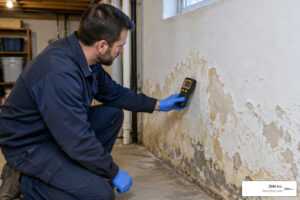
When a Crime Scene Becomes a Health Hazard: What You Need to Know
Professional crime scene cleanup methods are a category of specialized biohazard remediation techniques used to safely remove blood, bodily fluids, and other hazardous materials from a property after a traumatic event — and restore it to a safe, habitable condition.
Here is a quick overview of what these methods involve:
| Stage | What Happens |
|---|---|
| Assessment | Identify visible and hidden contamination, document the scene |
| Containment | Seal off affected areas, set up negative air pressure, close HVAC vents |
| PPE & Safety Controls | Don biohazard suits, double-layer gloves, and full-face respirators |
| Removal | Extract porous materials (carpet, drywall, subflooring) that cannot be disinfected |
| Cleaning & Disinfection | Apply enzymatic cleaners, then EPA-registered hospital-grade disinfectants |
| Odor Elimination | Use ozone machines or hydroxyl generators to destroy odor at its source |
| Verification | Perform ATP swab testing to confirm biological contamination is gone |
| Disposal | Package waste in labeled biohazard containers and transport to licensed facilities |
When a tragic event occurs, the work of law enforcement is often just the beginning. Once investigators release a scene, the property owner — whether a landlord, business, or facility manager — is left responsible for what remains. And what remains can be far more dangerous than it looks.
Blood and bodily fluids carry pathogens like Hepatitis B, Hepatitis C, and HIV. These can absorb deep into flooring, walls, and structural cavities within minutes. Standard janitorial cleaning products are not designed to eliminate these risks. They do not meet the disinfection standards required, and they cannot reach contamination that has soaked into porous materials.
This is where professional biohazard remediation — governed by strict OSHA regulations and the ANSI/IICRC S540 Standard — becomes essential.
I’m Terry Zastrow, owner of ZBM, Inc., a certified IICRC firm with approximately 30 years of experience delivering professional crime scene cleanup methods to state and county agencies, municipalities, housing authorities, and commercial property owners across Wisconsin. My team holds multiple technician and master technician certifications, including annual HAZWOPER recertification and OSHA safety training, ensuring every cleanup is performed safely, thoroughly, and in full regulatory compliance.
Regulations and Standards Governing Professional Crime Scene Cleanup Methods
When dealing with biohazardous materials, we cannot simply rely on visual cleanliness. The regulatory framework surrounding this industry is designed to protect both our technicians and the future occupants of the property. In our daily operations across Dodge County, Jefferson County, and Southeastern Wisconsin, we operate under several strict regulatory pillars.
First and foremost is the OSHA Bloodborne Pathogens Standard (29 CFR 1910.1030). This federal regulation mandates that any employer with workers exposed to blood or other potentially infectious materials (OPIM) must establish a written Exposure Control Plan. It requires us to provide comprehensive safety training, personal protective equipment, and Hepatitis B vaccinations to our technicians at no cost.
In addition to federal workplace safety laws, our technical field protocols are guided by the ANSI/IICRC S540 Standard for Trauma & Crime Scene Cleanup. This industry-standard, updated with its second edition, provides a strict scientific blueprint for inspecting, containing, and remediating biological contamination. It distinguishes between structural remediation, vehicle cleanup, and the handling of personal contents.
While forensic law enforcement teams utilize guidelines like the Best Practice Manual for Scene of Crime Examination to preserve evidence and secure the scene, our role begins the moment law enforcement releases the property back to the owner. Understanding why professional crime scene cleanup is essential comes down to liability, safety, and science: attempting to clean a trauma scene without adhering to these standards can result in severe health risks, cross-contamination of the HVAC system, and legal liabilities for property owners.
Training and Certifications for Professional Crime Scene Cleanup Methods
You cannot simply hand someone a mop and ask them to clean a trauma scene. Because of the high-stakes nature of this work, our technicians undergo extensive, specialized training before they ever step onto a job site.
To meet the rigorous expectations of the ANSI/IICRC S540 standard, our team members complete advanced courses such as the IJCSA Biohazard Cleaning Certification (BCC). This training covers epidemiology, the chemistry of decontamination, and the psychological aspects of working in traumatic environments.
Furthermore, because some scenes involve chemical hazards alongside biological ones, technicians complete OSHA HAZWOPER (Hazardous Waste Operations and Emergency Response) training under regulation 1910.120. This prepares them to recognize, evaluate, and control chemical exposures.
To protect our crew, we also mandate strict immunization protocols. In accordance with standard medical recommendations for trauma scene workers, all technicians must be fully immunized against:
- Hepatitis B
- Hepatitis A
- Tetanus
- Diphtheria
This rigorous education ensures that every technician understands what it takes to become a professional and can execute these complex protocols under pressure.
Step-by-Step Professional Crime Scene Cleanup Methods
Every biohazard scene is unique, but we approach each one using a highly structured, multi-phase methodology to guarantee absolute safety and decontamination. Here is a breakdown of what happens during a cleanup:
- Initial Assessment & Safety Briefing: Before entering the scene, our supervisor conducts a site-specific hazard assessment. We identify physical dangers (such as structural damage or sharp objects), biological risks, and chemical hazards. We then hold a mandatory team safety briefing to review the work plan and emergency exit routes.
- Containment Setup: To prevent cross-contamination, we isolate the affected area. We establish physical barriers using heavy-duty plastic sheeting, seal off HVAC vents, and set up negative air pressure systems equipped with HEPA filtration. This ensures that no microscopic pathogens or airborne particles escape into unaffected parts of the building.
- Porous Material Removal: Materials that cannot be fully disinfected—such as saturated carpet, underlayment, drop-ceiling tiles, and contaminated drywall—are carefully cut out, packaged in approved biohazard bags, and slated for disposal.
- Structural Cleaning: We scrape and scrub all solid structural surfaces to remove visible biological matter.
- Enzymatic Pre-Treatment: We apply specialized enzymatic cleaners to break down complex organic proteins at a molecular level.
- Hospital-Grade Disinfection: We apply EPA-registered, broad-spectrum disinfectants, ensuring they remain wet for their full required “dwell time” to completely eliminate pathogens.
- Deodorization: We treat persistent odors at their source using advanced molecular technology rather than masking them.
- Post-Cleanup Verification: We perform physical and biological testing to verify that the environment is completely safe for occupancy.
Essential Personal Protective Equipment (PPE) and Safety Controls
When performing biohazard remediation, personal protective equipment (PPE) is our primary line of defense. Pathogens can enter the body through inhalation, ingestion, mucous membranes, or non-intact skin. Therefore, we utilize comprehensive, multi-layered PPE configurations designed for maximum barrier protection.

Our standard PPE protocol includes:
- Full-Body Protective Suits: We wear fluid-resistant, breathable Tyvek or similar protective suits that cover the entire body from head to ankle.
- Double-Gloving: Technicians wear two layers of heavy-duty, chemical-resistant nitrile gloves. We seal the wrists of the outer gloves directly to the sleeves of the biohazard suit using specialized tape to eliminate any skin exposure.
- Full-Face Respirators: To protect against airborne pathogens, aerosolized fluids, and chemical fumes, we use full-face respirators equipped with P100 HEPA and organic vapor cartridges.
- Protective Footwear: Technicians wear waterproof, steel-toed boots covered by thick, disposable, slip-resistant boot covers, which are taped at the ankles to seal the bottom of the protective suit.
Preventing cross-contamination is as much about how we remove (doff) our gear as how we put it on. Technicians follow a strict, highly controlled doffing sequence designed to prevent self-contamination:
- Peel off and discard outer gloves.
- Remove the biohazard suit by rolling it downward from the inside out, keeping all contaminated surfaces contained inward.
- Remove eye protection and respirators.
- Remove inner gloves.
- Immediately wash hands and sanitize.
These controlled steps mirror the stringent safety protocols used by forensic teams and law enforcement as detailed in standard CSI Procedures Manuals, ensuring that biological hazards are never carried outside the hot zone.
Industrial-Grade Chemistry: Cleaning Agents vs. Household Products
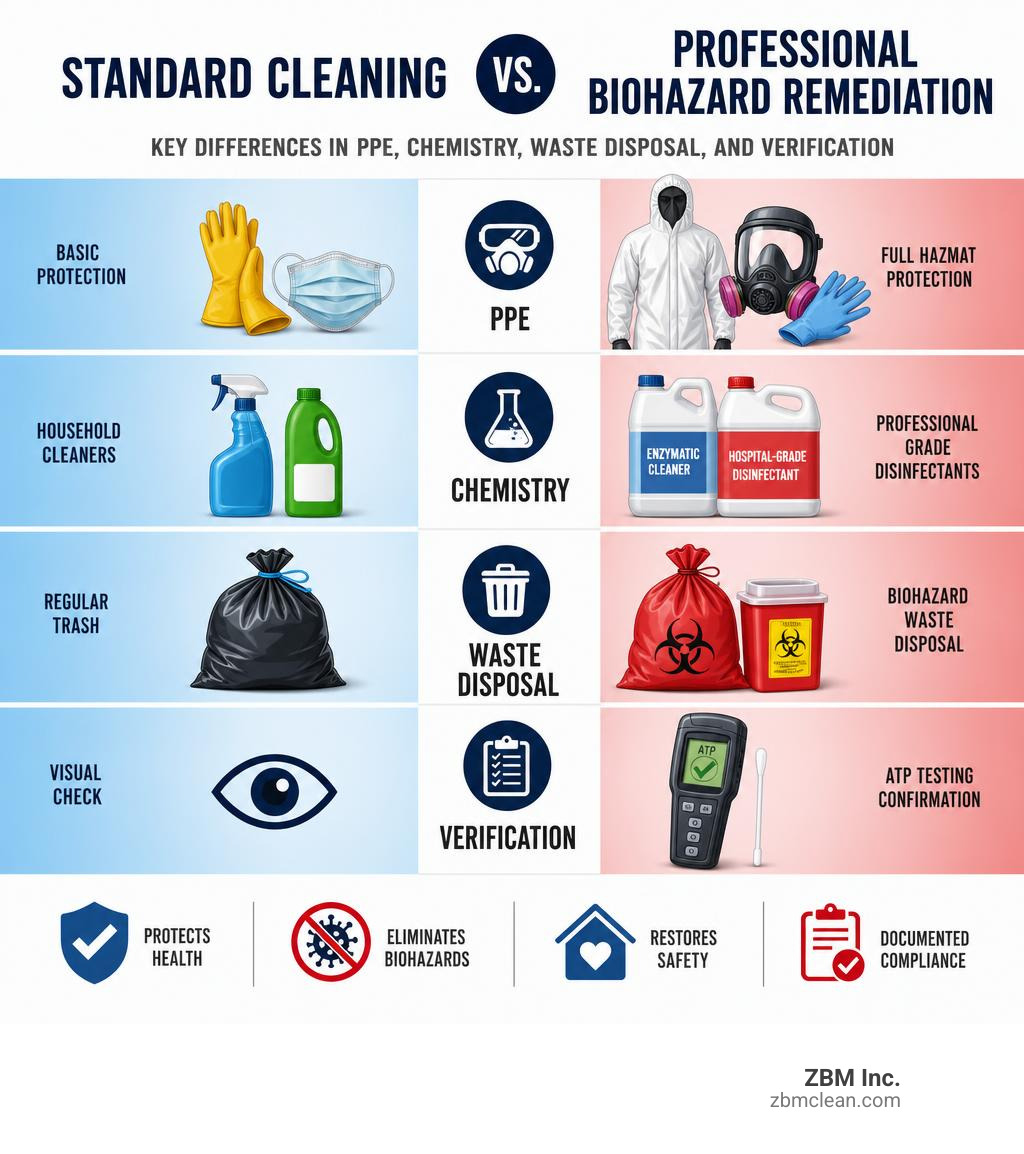
One of the most common misconceptions is that a bottle of household bleach or a standard disinfectant spray is sufficient for cleaning up blood and bodily fluids. This is not only incorrect; it is dangerous.
Household cleaners are formulated for surface-level dust and minor grime. They lack the chemical concentration and specialized formulations required to penetrate heavy organic loads. When blood or biological fluids dry, they form a protective cellular matrix. Standard bleach will often glaze over this matrix, leaving active, living pathogens trapped underneath.
To achieve true sterilization, we use a two-step chemical approach:
1. Enzymatic Cleaners
Before we disinfect, we must clean. Enzymatic cleaners utilize targeted biological enzymes (such as proteases and lipases) to chemically digest and break down proteins, lipids, and carbohydrates found in blood and organic tissue. By dissolving this organic matrix, enzymatic cleaners prepare the surface so that our disinfectants can make direct contact with the target pathogens.
2. EPA-Registered Hospital-Grade Disinfectants
Once the organic soil is broken down, we apply broad-spectrum disinfectants that are EPA-registered specifically for use against bloodborne pathogens like HIV, Hepatitis B, and MRSA. These products must be applied using their specific dwell time—the exact number of minutes the chemical must remain visibly wet on the surface to achieve a 99.9999% kill rate. For most professional disinfectants, this ranges from 5 to 10 minutes.
Here is how industrial-grade chemistry compares to standard household products:
| Feature | Household Cleaners (e.g., Bleach, Sprays) | Professional Biohazard Disinfectants |
|---|---|---|
| Organic Penetration | Poor; easily neutralized by organic matter | High; breaks down cellular walls and organic matrices |
| EPA Registration | Standard household use | EPA-registered hospital-grade (sporicidal, virucidal) |
| Dwell Time Requirement | Often unknown or unachievable (evaporates too fast) | Formulated to remain wet for precise, verified dwell times |
| Corrosiveness | Highly corrosive to metals, fabrics, and subfloors | Formulated to protect structural integrity while sterilizing |
| Safety Profile | High fumes; variable safety controls | Evaluated under OSHA chemical hazard standards |
Structural Remediation and Hidden Biohazard Removal
Biological fluids behave like water: they follow the path of least resistance and gravity. When blood is spilled on a floor, it quickly seeps through carpet fibers, dissolves the carpet pad beneath, and pools on the subflooring. From there, it can run along nail holes, migrate down joists, and settle into structural cavities or onto the ceiling of the room below.
If a cleanup company only cleans what is visible on the surface, they leave behind a ticking time bomb of bacterial growth, structural rot, and permanent odor. This is why we specialize in structural remediation.
We systematically evaluate all affected materials based on their porosity:
- Porous Materials (Carpet, Pad, Drywall, Insulation): These materials act like sponges. Because disinfectants cannot reliably penetrate to their core, these items must be physically cut out and removed. We use specialized saws, pry bars, and containment tools to extract them safely.
- Semi-Porous Materials (Wood Subflooring, Concrete, Framing Lumber): If these structural elements are structurally sound but have absorbed biological fluids, we perform deep enzymatic scrubbing and mechanical scraping.
- Applying Sealants and Primers: After the semi-porous wood or concrete has been thoroughly cleaned, disinfected, and dried, we apply specialized, industrial-grade elastomeric sealants and antimicrobial primers. These coatings lock in any remaining non-hazardous staining or microscopic odors, creating a permanent barrier that prevents any future off-gassing or moisture issues.
Understanding this deep structural process explains why professionals excel in restoration—we don’t just clean the surface; we restore the structural integrity of the home.
Advanced Odor Elimination and Post-Cleanup Verification
Foul odors associated with decomposition or trauma are caused by volatile organic compounds (VOCs) and bacteria feeding on organic matter. Simply spraying air fresheners or masking agents will do nothing to solve the problem; as soon as the artificial scent fades, the odor returns.
To eliminate odors permanently, we target them at the molecular level using two primary technologies:
Hydroxyl Generators
Hydroxyl generators mimic natural atmospheric chemistry. They use UV light technology to split water vapor in the air into hydroxyl radicals ($\text{OH}^-$). These highly reactive radicals immediately bond with and break down odor-causing molecules, bacteria, and VOCs, turning them into harmless carbon dioxide and water. Because hydroxyls are safe for occupied spaces, we often use them during the active cleanup process.
Ozone Machines
Ozone ($\text{O}_3$) is a powerful oxidizing agent. Ozone generators convert oxygen ($\text{O}_2$) into ozone, which aggressively attacks and neutralizes organic odor molecules. Because high levels of ozone are hazardous to humans, pets, and plants, we only run ozone machines in completely sealed, evacuated spaces, followed by a controlled ventilation period.
Post-Cleanup Verification: ATP Testing
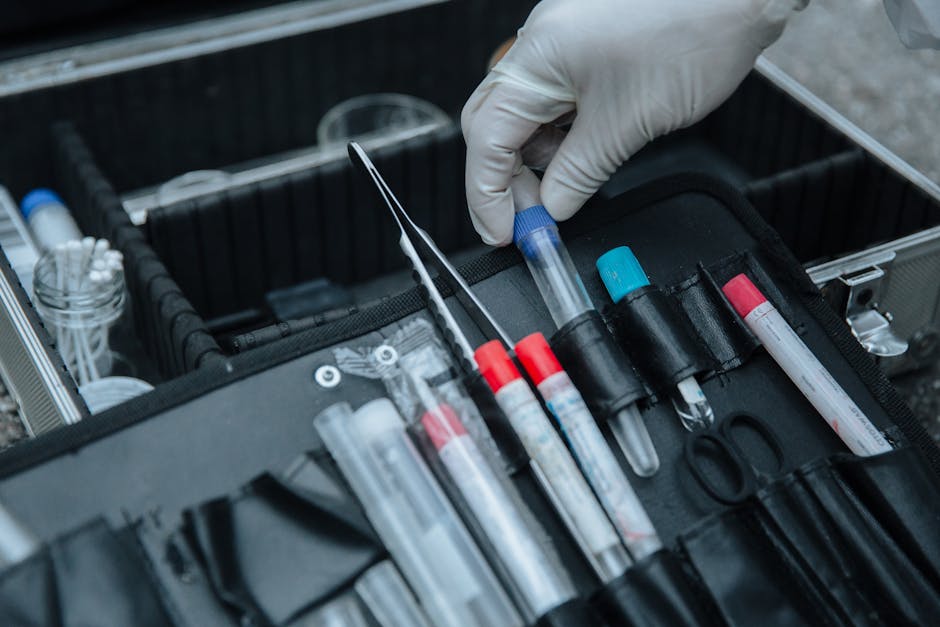
How do we prove a room is truly safe? We do not guess—we verify using ATP (Adenosine Triphosphate) testing.
ATP is an energy molecule present in all living cells, including bacteria, blood, and biological fluids. Once our multi-step cleaning and disinfection process is complete, we run a systematic verification protocol:
- We swab a previously contaminated surface using a sterile testing swab.
- We place the swab into a handheld luminometer.
- The device measures the amount of light generated by a chemical reaction between the swab sample and a specialized enzyme.
- The luminometer provides a numerical reading in Relative Light Units (RLUs).
An RLU reading below a strict threshold (typically near zero) scientifically proves that all biological matter has been completely eradicated, ensuring the space is 100% safe for occupancy.
Special Protocols for Illicit Drug and Fentanyl Remediation
In May 2026, the landscape of biohazard cleanup includes highly hazardous chemical threats, particularly illicit drug scenes involving methamphetamine or synthetic opioids like fentanyl. Remediation of these scenes requires entirely different protocols than biological cleanups.
Fentanyl presents an extreme hazard to our technicians. A mere 2 milligrams of fentanyl—an amount equivalent to a few grains of salt—can be a lethal dose for most people. If fentanyl powder is disturbed during cleaning, it can become airborne, leading to rapid accidental inhalation or absorption through the skin.
When we are called to remediate an illicit drug scene in areas like Watertown or Lake Mills, WI, we implement specialized safety protocols:
- Pre-Job Safety Briefings: We conduct extensive hazard assessments to identify potential chemical hazards before entering.
- Specialized Detection & Assessment: We use chemical detection tools to identify the presence of synthetic opioids or meth residues before starting physical work.
- No-Aerosolization Rules: We never use dry sweeping, standard vacuums, or high-pressure sprayers that could kick dust into the air. Instead, we use wet-wipe methods and specialized chemical-neutralizing agents that bind to and destroy the drug molecules safely.
- Advanced PPE: Technicians wear level C protective gear, including full-face respirators with specialized chemical cartridges, to ensure absolute respiratory safety.
Frequently Asked Questions about Biohazard Remediation
Why can’t I clean a crime scene myself?
Attempting a DIY cleanup of a trauma scene exposes you to serious health risks, including bloodborne pathogens like Hepatitis B and C, which can survive in dried blood for days. Additionally, the emotional toll of cleaning a scene involving a loved one can cause severe, long-lasting psychological trauma.
By utilizing professional services, you protect your physical health and secure peace of mind. There are numerous benefits of hiring a company that has the training, equipment, and insurance to handle the job safely and discreetly.
How do professionals dispose of biohazardous waste?
Biohazardous waste cannot be thrown in the standard municipal trash. We package all biological waste, saturated materials, and personal protective equipment into heavy-duty, leak-proof red biohazard bags and puncture-resistant sharps containers.
These containers are sealed, labeled with universal biohazard symbols, and documented using strict medical waste manifests to maintain a clear chain of custody. We then transport the waste to licensed medical waste facilities, where it is safely destroyed via high-temperature incineration.
How is a scene verified as 100% safe?
We perform a multi-layered verification process. This includes a detailed visual inspection under specialized lighting to locate any hidden traces of fluids, followed by objective ATP swab testing on multiple surface points. Only when the ATP levels read as completely sanitary do we issue a official certificate of completion, confirming the space is fully restored and safe for rebuild or occupancy.
Conclusion
The aftermath of a traumatic event is overwhelming, but restoring safety to your property doesn’t have to be. Professional biohazard remediation is a highly technical, scientifically driven process that requires the right chemistry, advanced equipment, and rigorous safety protocols to protect everyone involved.
At ZBM, Inc., we are proud to be a family-owned, licensed, bonded, and insured company. Operating out of Watertown, WI, we provide compassionate, discreet, and certified biohazard cleanup services across Dodge County, Jefferson County, Lake Mills, Minocqua, and the Northwoods. We handle the technical science of decontamination so that you can focus on healing.
If you are facing a difficult situation and want to learn more about what crime scene cleanup companies do, or if you need immediate, professional assistance, please reach out to us today. We are here to help restore safety, dignity, and peace of mind to your space.