What Clean Up Crime Scene Jobs Really Involve
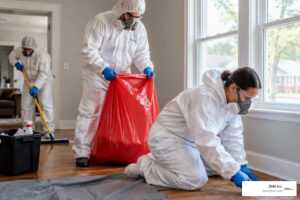
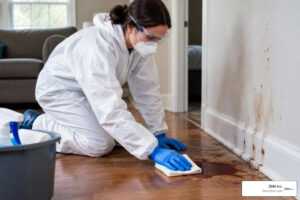
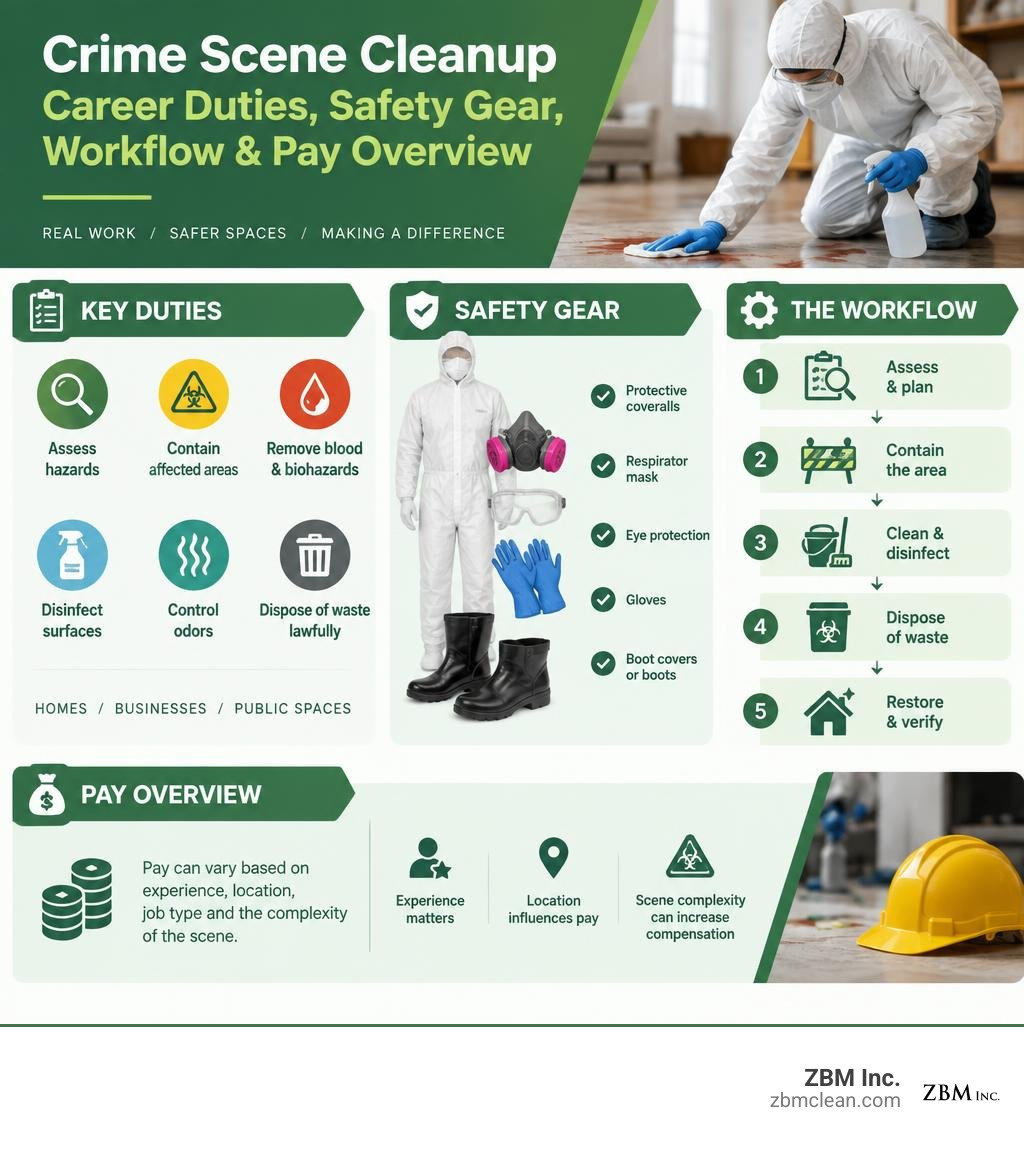
Clean up crime scene jobs involve far more than cleaning a room. Technicians assess hazards, contain affected areas, remove blood and other biohazard materials, disinfect surfaces, control odors, and arrange lawful disposal of regulated waste. They may respond to homicides, suicides, unattended deaths, accidents, and other trauma scenes.
The work requires calm judgment, strict safety habits, and respect for people during a difficult moment. More than 90% of these jobs involve blood, bodily fluids, or tissue, so workers use OSHA-aligned training and protective equipment to reduce exposure risks. For broader context on how biohazard remediation fits into public health and safety, see the crime scene cleanup overview.
Unlike regular janitorial work, crime scene remediation can include removing contaminated carpet, drywall, or subflooring when fluids have reached porous materials. It is specialized work with real physical and emotional demands, but it helps make a home, business, or public space safe to use again.
I am Terry Zastrow, owner of ZBM Inc., a certified cleaning and restoration firm with roughly 30 years of operating experience and extensive OSHA, HAZWOPER, and incident-command training. Our experience supporting public and private clients informs this guide to the safety standards, real duties, and responsibilities behind clean up crime scene jobs.
Basic clean up crime scene jobs glossary:
- clean crime scenes
- clean crime scenes jobs
- crime scene cleaner true clean mode
What Crime Scene Cleanup Work Entails: Real Duties and Daily Scope
Crime scene remediation is an exacting discipline rooted in microbiology, environmental safety, and structural restoration. Every scene presents a dynamic, unpredictable environment where microscopic pathogens, hazardous chemicals, and compromised building materials intersect. When our team arrives on-site, the first objective is never simply wiping down visible stains; it is establishing complete environmental control to prevent dangerous cross-contamination.
Field technicians regularly handle trauma remediation across environments ranging from private residences to industrial complexes and commercial office spaces. The daily scope includes addressing unattended deaths, violent homicides, industrial mishaps, and severe trauma incidents. Because biological fluids can seep deep into architectural cavities, a qualified trauma crime scene technician must possess the diagnostic capability to identify hidden biohazard pathways, select appropriate chemical neutralizers, and execute pathogen elimination with laboratory-grade precision.
Attempting to address severe trauma or biohazard contamination on your own is exceptionally hazardous and time-consuming. Standard household supplies and over-the-counter disinfectants lack the chemical efficacy required to neutralize bloodborne pathogens embedded deep within building materials. Without commercial-grade extraction systems, structural containment barriers, and specialized personal protective equipment, do-it-yourself efforts inevitably leave unseen biohazards behind, exposing building occupants to lingering pathogens and severe health hazards. Hiring a certified professional restoration company ensures the site is restored to a thoroughly safe, habitable standard.
Understanding the Daily Scope of Crime Scene Cleanup Work
The day-to-day realities of biohazard technicians involve detailed structural analysis and intensive remediation protocols. Upon law enforcement releasing a scene, technicians perform an extensive hazard evaluation. Scenes involving homicides, suicides, or accidental deaths often present broad dispersion patterns where biological matter contacts walls, structural framing, HVAC ductwork, and subfloors.
Technicians must systematically track fluid migration, dismantle contaminated building assemblies, and apply broad-spectrum disinfectants. In cases involving decomposition or unattended death, structural deodorization becomes a primary duty. Volatile organic compounds and airborne bacteria penetrate soft furnishings, subflooring, and insulation, requiring specialized atmospheric scrubbers and chemical oxidizers to eliminate odors at their molecular source. Understanding what happens during a crime scene cleanup highlights why certified remediation requires specialized structural tear-out and advanced air-scrubbing equipment.
How Biohazard Remediation Differs From Standard Janitorial Work
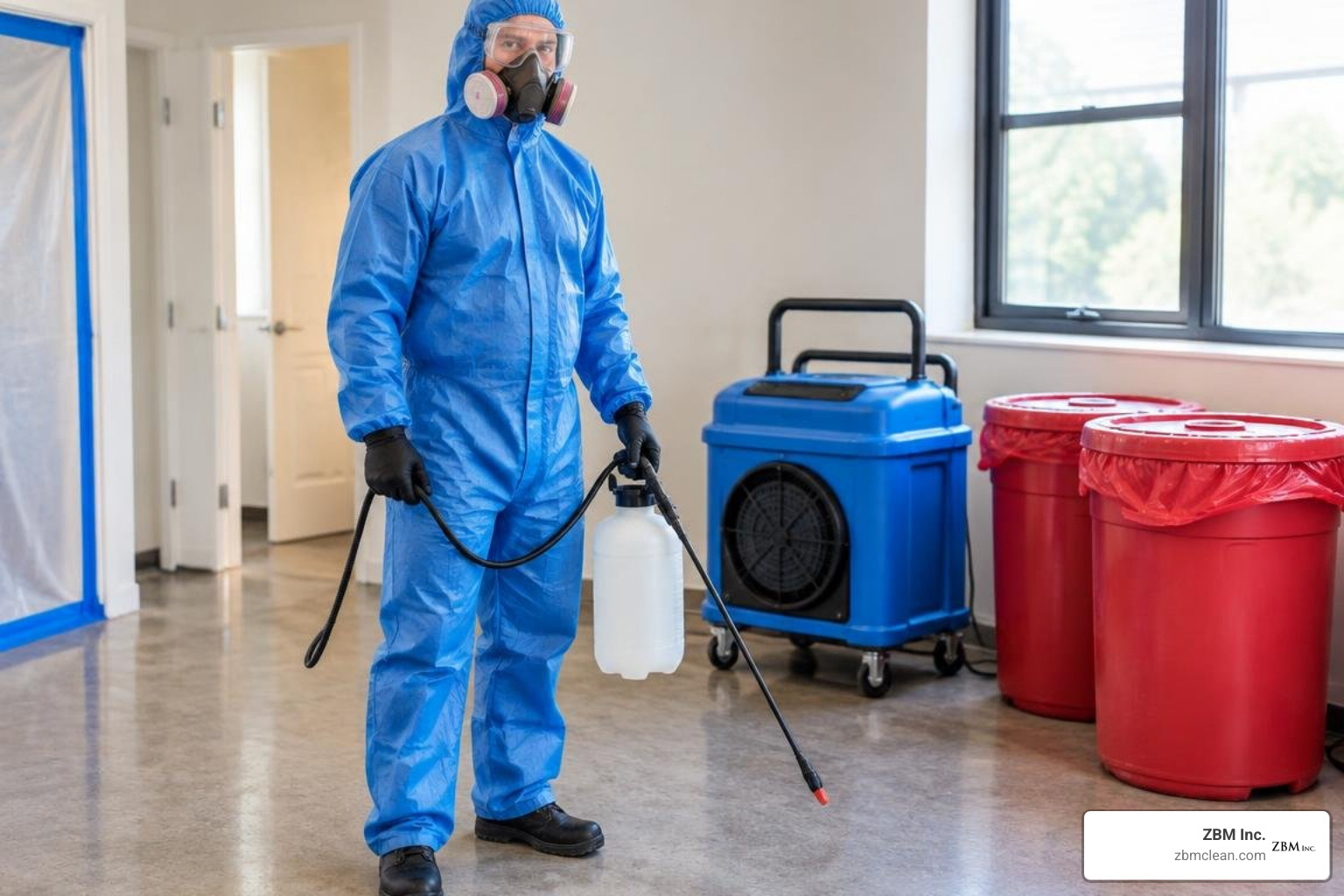
While standard janitorial work focuses on surface-level aesthetics, sanitization of high-touch objects, and regular dust control, biohazard remediation is a specialized branch of environmental engineering. Biohazard technicians are tasked with complete pathogen eradication, including neutralizing resilient viruses such as Hepatitis B (HBV), Hepatitis C (HCV), and Human Immunodeficiency Virus (HIV).
Porous materials present the clearest distinction between basic cleaning and trauma remediation. When blood saturates drywall, carpet padding, or hardwood flooring, surface wiping accomplishes nothing. Technicians must perform porous substrate extraction, cutting out affected framing, subflooring, or drywall while maintaining strict containment barriers to prevent pathogen migration to unaffected living areas. Relying on specialized biohazard cleanup services guarantees that all hazardous substances are isolated, extracted, and disposed of under strict regulatory oversight.
| Feature / Protocol | Standard Janitorial Cleaning | Professional Biohazard Crime Scene Remediation |
|---|---|---|
| Primary Objective | Aesthetic cleanliness, surface sanitation, debris removal | Complete microscopic pathogen eradication, structural safety |
| Target Contaminants | Dust, routine soil, surface bacteria, common allergens | Bloodborne pathogens, bodily fluids, decomposition matter, chemical residues |
| Material Handling | Surface wiping, vacuuming, mopping of non-porous surfaces | Invasive extraction and removal of porous structural materials (drywall, subfloor) |
| Personal Protective Equipment | Standard gloves, dust masks, basic eye protection | Level C/B full-body chemical suits, dual-cartridge respirators, multi-layer nitrile gloves |
| Regulatory Framework | General workplace sanitation guidelines | OSHA 29 CFR 1910.1030, EPA hazardous waste rules, DOT medical waste transport |
| Air Quality Management | Standard ventilation, commercial vacuum filters | HEPA-filtered negative air machines, atmospheric hydroxyl scrubbers |
| Waste Disposal | Municipal solid waste stream (standard dumpsters) | Red-bag biohazard transport to licensed medical incineration facilities |
Essential Training, Safety Standards, and Regulatory Requirements
Operating within biohazardous environments demands rigorous technical training and adherence to strict regulatory mandates. In the United States, crime scene cleanup is governed by stringent federal and state safety frameworks. Because over 90% of field assignments involve direct contact with bloodborne infectious agents, technicians must master regulatory requirements long before entering an active trauma environment.
Safety protocols dictate that every scene be treated with universal precautions—an operational standard assuming all biological materials contain potentially infectious bloodborne pathogens. Professional restoration teams undergo extensive training covering the Occupational Safety and Health Administration (OSHA) Bloodborne Pathogens Standard (29 CFR 1910.1030), Hazard Communication (29 CFR 1910.1200), Personal Protective Equipment standards (29 CFR 1910.132), and Respiratory Protection (29 CFR 1910.134). Maintaining strict regulatory compliance safeguards technicians and ensures properties are fully remediated for future occupants.
Industry Regulations and Workplace Safety Mandates
OSHA regulations establish non-negotiable workplace mandates for all biohazard remediation activities. Employers must maintain a written Exposure Control Plan that details site-specific risk assessments, mandatory vaccination protocols (including Hepatitis B vaccination offerings), and clear procedures for post-exposure evaluations.
Respiratory protection is equally essential. When biohazardous matter dries, it can aerosolize into microscopic airborne contaminants during extraction. Technicians must be medically evaluated, fit-tested, and cleared to wear tight-fitting half-mask or full-face air-purifying respirators fitted with HEPA and organic vapor cartridges. Furthermore, the Environmental Protection Agency (EPA) and state environmental agencies strictly govern the storage, packaging, and tracking of regulated medical waste to prevent biohazard exposure to the surrounding community.
Specialized Equipment and Decontamination Chemistry
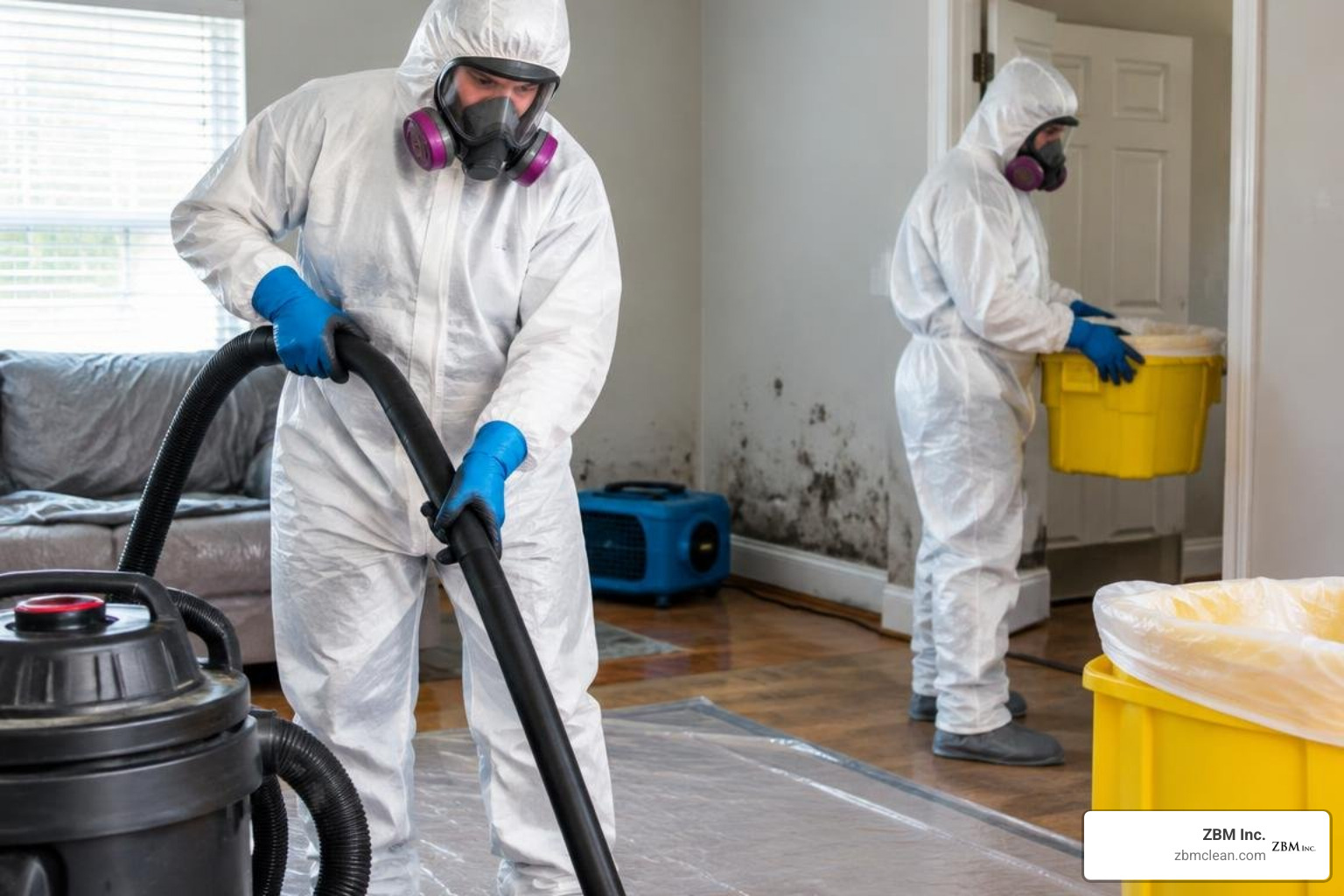
Remediating a contaminated space requires industrial equipment and specialized decontamination chemistry. Technicians do not rely on standard retail cleaners; instead, they deploy hospital-grade, EPA-registered broad-spectrum disinfectants designed with proven kill claims against hardy viral and bacterial pathogens.
Key specialized tools and chemical systems include:
- Adenosine Triphosphate (ATP) Luminometers: Surface testing devices that measure cellular energy, validating that a surface is biologically clean and free of microbial residues at the microscopic level.
- Commercial HEPA Air Scrubbers: Industrial filtration machines that cycle room air through multi-stage high-efficiency particulate air filters, capturing airborne bio-contaminants down to 0.3 microns.
- Hydroxyl Generators and Ozone Systems: Atmospheric treatment systems used during the deodorization phase. Hydroxyl generators safely break down volatile organic odor compounds while technicians are present, whereas ozone treatments oxidize deeply embedded odors in vacant, sealed spaces.
- Enzyme-Based Cleaners: Specialized enzymatic solutions that break down protein-based organic stains, coagulated blood, and biological matter, making them easier to extract from structural materials.
Applying the science of clean ensures that chemical dwell times, dilution rates, and mechanical agitation protocols are executed according to manufacturer and regulatory specifications.
The Step-by-Step Remediation Process on Scene
Remediating a trauma scene requires a methodical, step-by-step approach to contain hazards and restore the property safely. Our certified crews follow structured containment and restoration procedures designed to mitigate risk at every stage.

Professional biohazard remediation prevents secondary contamination and ensures structural integrity is fully evaluated before clearance testing is conducted.
Site Assessment, Containment, and Structural Tear-Out
The cleanup process begins with a comprehensive site assessment. Technicians inspect the perimeter, identify all biological fluid pathways, and establish distinct control zones: the “hot zone” (contaminated area), “warm zone” (decontamination corridor), and “cold zone” (clean staging area).
- Containment Setup: Crews establish critical barriers using heavy polyethylene sheeting and negative air pressure machines, ensuring bio-aerosols cannot escape into unaffected rooms.
- Gross Biohazard Extraction: Technicians systematically remove bulk biological materials and package them directly into marked biohazard containers.
- Invasive Structural Tear-Out: When fluids have penetrated porous building substrates, technicians cut away affected carpets, padding, subfloors, and drywall sections. Trying to clean porous materials yourself is extremely difficult, as contaminants soak into hidden framing where mold and bacteria multiply; professional remediation teams completely remove these structural hazards.
- Subfloor and Framing Remediation: Exposed framing and concrete subfloors are treated with targeted bio-enzymatic agents, scrubbed, and dried using industrial air movers.
Sanitization, Deodorization, and Legal Waste Disposal
Once structural tear-out is complete, technicians begin deep sanitization and deodorization:
- Multi-Stage Disinfection: All salvageable hard, non-porous surfaces undergo multi-stage sanitization using EPA-registered disinfectants, strictly observing necessary chemical dwell times.
- ATP Verification: Technicians perform ATP bioluminescence swab testing across key structural surfaces to verify that bacterial counts meet hospital-grade safety baselines.
- Thermal Fogging and Deodorization: Thermal foggers vaporize odor-counteracting compounds, allowing them to penetrate every micro-fissure and porous material where odor-causing molecules linger.
- Regulated Medical Waste Packaging: All biological materials, contaminated porous items, and used PPE are placed into red biohazard bags, sealed in rigid DOT-approved containers, and tracked with a continuous chain of custody. Following safe and legal biohazard disposal mandates ensures that hazardous waste is transported safely to licensed high-temperature thermal incineration facilities.
Compensation, Industry Demand, and Career Realities
The biohazard remediation industry in the United States generates an estimated $200 million in annual revenue, with roughly 1,200 to 1,500 specialized companies operating nationwide. The sector experiences steady annual growth of 3% to 5%, driven by stricter municipal health standards, aging demographics, and a growing recognition that biological contamination requires certified professional remediation rather than standard janitorial service.
The average cost for a professional crime scene cleanup ranges from $1,500 to $10,000, depending heavily on the physical size of the affected area, the volume of structural tear-out required, and the quantity of regulated medical waste generated. Because these situations are covered under most standard property insurance policies, certified restoration companies coordinate closely with adjusters to document structural damage and streamline the claims process for property owners.
Salary Expectations and Industry Conditions
Compensation for biohazard technicians reflects the technical skill, physical rigor, and specialized safety standards required for the work. Entry-level technicians generally earn between $25 and $35 per hour, while experienced technicians and site supervisors in metropolitan areas or specialized markets can earn from $50 to $75 per hour.
| Experience Level | Typical Hourly Range | Est. Annual Earnings (40 hrs/wk base) | Primary Responsibilities |
|---|---|---|---|
| Entry-Level Technician | $25.00 – $35.00 | $52,000 – $72,800 | Waste bagging, non-porous surface scrubbing, staging equipment, PPE maintenance |
| Lead / Senior Technician | $35.00 – $50.00 | $72,800 – $104,000 | Containment building, negative air setup, structural tear-out, ATP validation |
| Site Supervisor / Manager | $50.00 – $75.00+ | $104,000 – $156,000+ | Initial site hazard assessment, regulatory compliance, insurance documentation, crew management |
Annual earnings can increase significantly with emergency on-call stipends, overtime pay, and hazard pay premiums. Because emergencies happen around the clock, technicians often work non-standard shifts, weekends, and holidays to respond quickly to critical incidents.
Psychological Realities and Working Conditions in Crime Scene Cleanup Work
Beyond the technical and chemical expertise, biohazard cleanup requires high mental resilience. Technicians regularly enter environments touched by grief and tragic loss. Maintaining professional detachment while showing genuine compassion to grieving families is an essential skill.
Leading restoration companies prioritize psychological well-being by providing access to Critical Incident Stress Debriefing (CISD) and structured Employee Assistance Programs (EAPs). Technicians learn clear operational boundaries, relying on systematic workflows, safety checklists, and team communication to process the emotional challenges of the work. For individuals with strong emotional discipline, a commitment to public safety, and an eye for detail, the career provides meaningful, purpose-driven work that restores order to communities during their most difficult moments.
Frequently Asked Questions About Crime Scene Cleanup
What training and safety competencies support biohazard remediation work?
Professional biohazard technicians require comprehensive safety education centered on the OSHA Bloodborne Pathogens Standard (29 CFR 1910.1030), HAZWOPER guidelines, personal protective equipment selection, and respiratory protection compliance (29 CFR 1910.134). Technicians must be trained in chemical hazard communication, negative pressure containment setup, ATP verification testing, and Department of Transportation (DOT) medical waste handling. Employers also require background screenings, respirator fit testing, and current Hepatitis B immunizations.
What are the main physical and chemical hazards on the job?
Technicians face significant biological, chemical, and physical risks. Biological hazards include exposure to infectious bloodborne viruses (HBV, HCV, HIV) and airborne decomposition pathogens. Chemical hazards stem from working with industrial-grade disinfectants, ozone, and enzymatic strippers within enclosed environments. Physical hazards include sharp objects (such as broken glass, bone fragments, or discarded needles), compromised structural subflooring, heat exhaustion from wearing impervious Level C chemical suits, and heavy lifting during structural tear-out.
How much do biohazard remediation technicians earn on average?
Across the United States, crime scene cleanup technicians earn an average hourly wage ranging between $25 and $50 per hour. Entry-level technicians generally start around $25 to $35 per hour, while experienced remediation specialists, crew leads, and technicians in high-demand regions earn up to $75 per hour. Overtime rates, holiday hazard pay, and on-call response bonuses often increase overall annual compensation substantially.
Conclusion
Crime scene cleanup is a vital, technically demanding discipline requiring advanced microbiological knowledge, strict regulatory compliance, and a strong commitment to human safety. From setting up negative air containment and performing invasive structural tear-outs to legal biohazard disposal, certified technicians protect communities from unseen biological hazards. Attempting to manage severe biohazards through do-it-yourself cleaning is time-consuming, physically dangerous, and often fails to resolve deep structural contamination.
As a family-owned, licensed, bonded, and insured firm based in Watertown, WI, ZBM Inc. is certified and provides certified property restoration and biohazard cleanup across Dodge County, Jefferson County, Lake Mills, Southeast Wisconsin, and the Northwoods. Our certified specialists bring decades of field experience, industrial-grade technology, and discreet, compassionate service to restore your property safely and thoroughly. Contact ZBM Inc. today to learn how our certified disaster restoration and biohazard remediation teams can support your property recovery needs.