Why Hazardous Waste and Spill Cleanup Walmart Question 18 Matters for Compliance
Hazardous waste and spill cleanup Walmart question 18 is a training module question that tests employees on the correct procedures for identifying, containing, and disposing of hazardous materials — such as pesticides, motor oil, cleaners, and aerosols — found damaged or spilled on the retail floor.
Here is a quick-reference answer to what Question 18 covers:
| Topic | Key Point |
|---|---|
| What counts as hazardous waste | Damaged or spilled consumer products like bleach, pesticides, paints, and solvents |
| First response to a spill | Contain it immediately; do not pour down drains |
| Correct disposal method | Use designated color-coded buckets; ship to a permitted facility with a manifest |
| Who is responsible | The assigned Claims Supervisor at each store |
| Why it matters | Improper handling can trigger RCRA violations and serious EPA fines |
This is not a minor compliance checkbox. Walmart has paid over $110 million in fines across multiple federal and state cases for mishandling hazardous waste — from shipping truckloads of damaged pesticides without proper manifests, to illegally dumping batteries and aerosols in municipal landfills. Getting Question 18 right protects employees, communities, and your company from serious legal and environmental consequences.
I’m Terry Zastrow, owner of ZBM, Inc., a certified cleaning and restoration firm with nearly 30 years of hands-on experience in hazardous waste remediation and spill response — the exact skills at the heart of hazardous waste and spill cleanup Walmart question 18. In this guide, I’ll break down what the question is really asking and how to apply it correctly in a real retail environment.

Understanding Hazardous Waste and Spill Cleanup Walmart Question 18

When we talk about hazardous waste and spill cleanup Walmart question 18, we are looking at a pivotal checkpoint in a retail associate’s training. This question focuses on the “Point of Generation.” In simple terms, the moment a bottle of concentrated pesticide leaks onto a shelf or a container of industrial-strength cleaner cracks, it becomes “waste.”
At ZBM Inc., we often tell our clients in Watertown and Southeast Wisconsin that the first few minutes after a spill are the most critical. In a retail setting, Question 18 ensures that an associate doesn’t just grab a mop and bucket and shove the mess into a floor drain. Doing so is a direct violation of environmental laws. Instead, associates must identify the substance, use the proper spill kit, and ensure the waste is categorized correctly. For a deeper dive into what qualifies as dangerous waste, you can check out our guide on Biohazard Cleanup: Understanding Biohazardous Waste.
RCRA Compliance and Hazardous Waste and Spill Cleanup Walmart Question 18
The Resource Conservation and Recovery Act (RCRA) is the primary federal law governing the disposal of solid and hazardous waste. Under RCRA Subtitle C, any facility that generates hazardous waste—including a retail store—is responsible for that waste from “cradle to grave.”
Walmart’s historical struggle with Question 18 stems from a failure to make proper “waste determinations” at the store level. In the Wal-Mart Stores, Inc. EPA CAFO, it was revealed that many stores were shipping leaking or damaged products back to return centers without identifying them as hazardous. This led to truckloads of unmanifested dangerous materials traveling across state lines. To prevent this, every associate must understand how to stabilize a scene. We provide similar high-level Bio-Hazard Remediation: Ensuring Safety After Contamination services to ensure that when a spill happens, it doesn’t become a legal nightmare.
Best Practices for Hazardous Waste and Spill Cleanup Walmart Question 18
So, what are the actual “best practices” that Question 18 is looking for? It starts with containment and safety.
- Assess the Hazard: Is it a flammable solvent, a corrosive bleach, or a toxic pesticide?
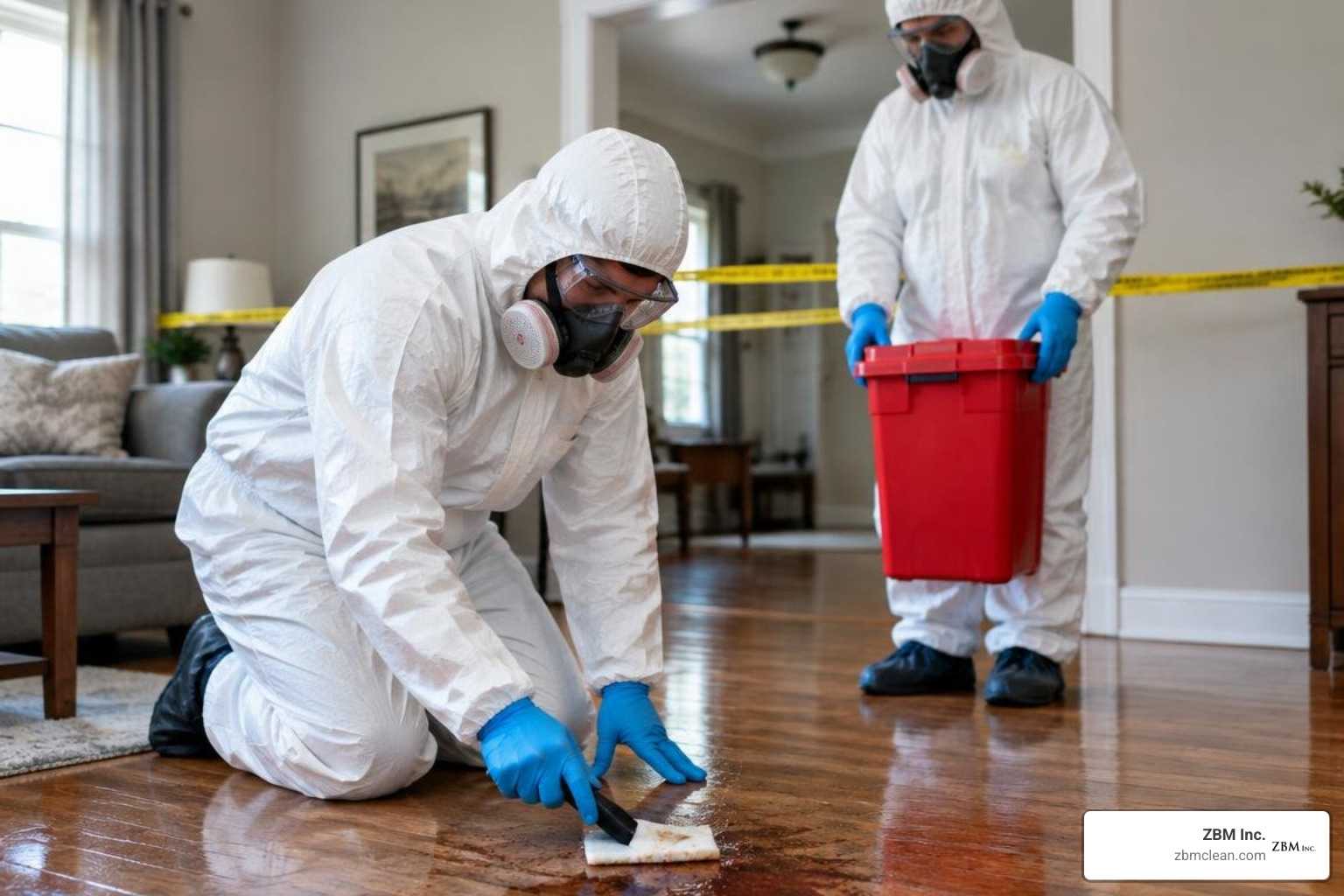
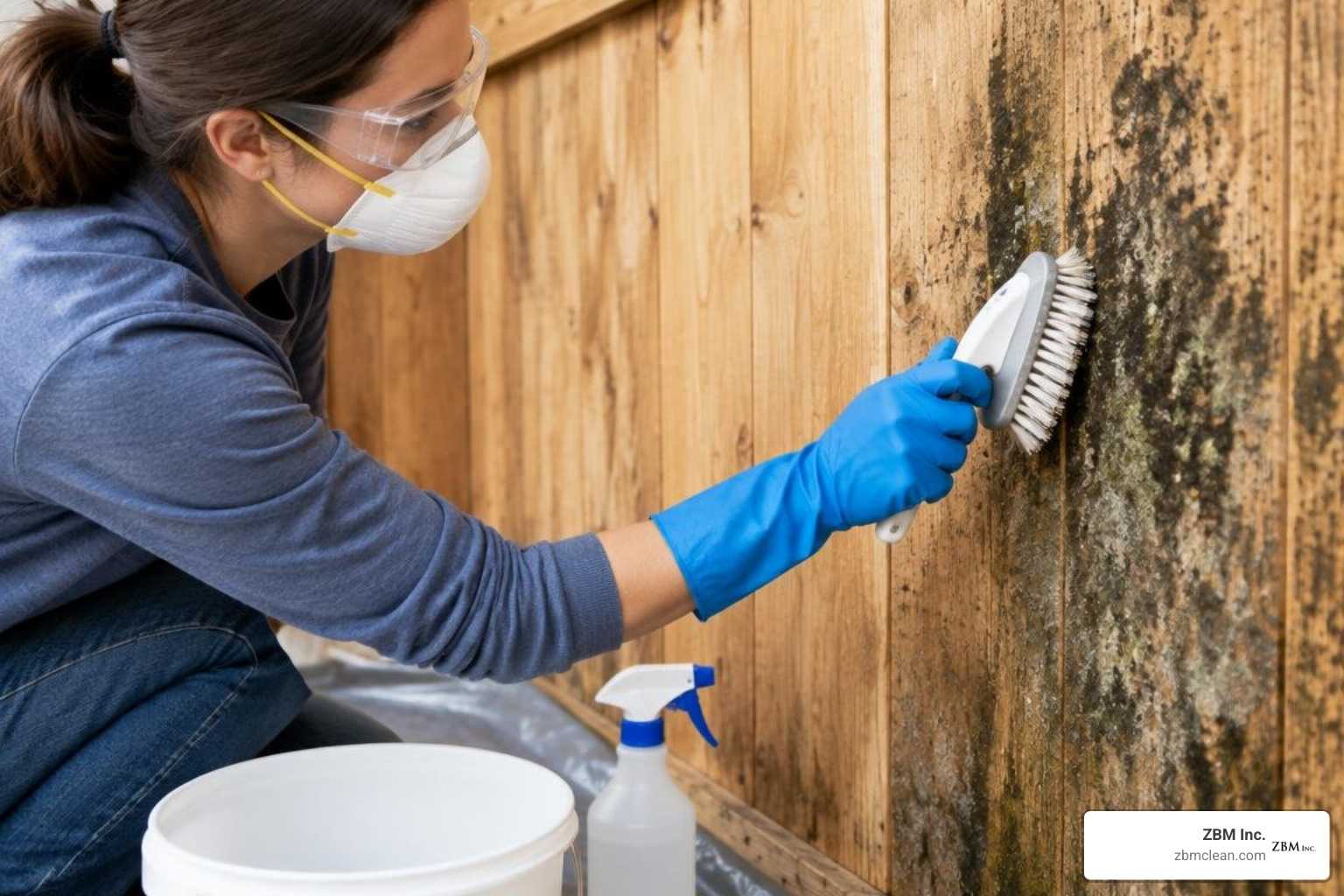
- PPE Requirements: Never touch a spill without the right gloves and eye protection.
- Containment: Use absorbent materials (like “kitty litter” or specialized spill pillows) to stop the spread.
- No Drains: Never, ever wash motor oil or antifreeze down the sink or storm drain. Even one quart of oil can foul the taste of 250,000 gallons of water!
By following these steps, you are engaging in environmental mitigation. If you’re curious about the bigger picture, read about How Environmental Mitigation Protects Property and Health.
Walmart’s Legal History: RCRA and FIFRA Violations
To understand why hazardous waste and spill cleanup walmart question 18 is so strictly enforced today, we have to look at the massive legal settlements of 2013 and 2021. Walmart faced criminal and civil penalties because their “Reverse Distribution” process was flawed. Essentially, they were treating hazardous waste like regular returned merchandise.
According to a report by Wal-Mart Hazardous Waste Settlement Reveals Pitfalls of Managing Damaged or Returned Products, the EPA found that Walmart was sending damaged aerosols, toxic cleaners, and pesticides to return centers that weren’t permitted to handle hazardous waste. More recently, in 2021, Walmart agreed to pay $7.5 million to settle California lawsuit claims regarding the illegal dumping of items like lithium batteries and latex paint into municipal landfills.
The Impact of Improper Pesticide Handling
One of the most glaring failures involved the Federal Insecticide, Fungicide, and Rodenticide Act (FIFRA). Between 2006 and 2008, Walmart sent approximately two million pounds of solid and liquid pesticides to a third-party facility known as Greenleaf.
The problem? Many of these containers were leaking or had their labels detached. Under FIFRA, it is illegal to distribute or sell “misbranded” pesticides. When the labels are gone, no one knows the hazards or the proper emergency response. This wasn’t just a paperwork error; it was a massive environmental risk that cost millions in civil penalties.
Point of Generation and Manifest Failures
A major takeaway from the A Waste Handling Primer for Retailers is the “85% rule.” In the Walmart settlement, the EPA established that if a return center ends up discarding more than 85% of a certain product type as waste, the “point of generation” shifts back to the retail store.
This means the store must make the hazardous waste determination right then and there. They cannot just ship it off and hope the warehouse figures it out. Every shipment of hazardous waste must be accompanied by a uniform hazardous waste manifest, ensuring a paper trail from the store to the final permitted disposal facility.
Effective Environmental Management and Training Protocols
To fix these systemic issues, Walmart implemented a robust Environmental Management System (EMS). This includes specialized training for all associates within 60 days of hire, with annual refreshers. A key figure in this process is the Claims Supervisor, who is responsible for overseeing the store’s hazardous waste compliance.
If you’ve ever wondered Biohazard Cleanup Services: What to Expect, it’s all about precision. In a retail environment, that precision is found in the “Bucket System.”
Implementing the Bucket System for Waste Segregation
The “Bucket System” is a color-coded method for segregating leaking or damaged products.
- Flammables: Solvents and certain aerosols go into specific containers to prevent fires.
- Corrosives: Bleaches and acids must be kept separate to avoid dangerous chemical reactions.
- Toxic Materials: Pesticides and poisons are isolated.
Using secondary containment (like putting a leaking bottle into a plastic bag before placing it in the bucket) is a standard requirement. At ZBM Inc., we see the value in this every day. The Benefits of Hiring Professional Biohazard Cleanup Companies often come down to having these systems in place before a disaster strikes.
Risks of Wishful Recycling in Retail
“Wishful recycling” is the habit of tossing items into a recycling bin hoping they can be reused, even when they are hazardous. In a retail setting, this is dangerous.
- Aerosol Cans: If they aren’t completely empty, they can explode in a compactor.
- Propane Tanks: Even “empty” ones can contain enough gas to cause a fire.
- Lithium Batteries: These are a leading cause of fires in waste trucks and landfills.
When these items are mishandled, it creates a crisis. We’ve seen how How Biohazard Cleanup Services Help in Times of Crisis by stepping in when “wishful recycling” goes wrong and leads to contamination or fire damage.
Local Resources for Hazardous Waste Disposal in Southeastern Wisconsin
While Walmart manages its waste through corporate systems, residents and small businesses in Jefferson and Dodge Counties have local resources to stay compliant. The Wisconsin Clean Sweep program hosts Household Hazardous Waste (HHW) Disposal Days to keep toxic materials out of the Watertown area’s beautiful natural environment.
| User Type | Disposal Limit | Cost |
|---|---|---|
| Residents | Reasonable household quantities | Free or low-cost (varies by county) |
| Small Businesses | Very Small Quantity Generators (VSQG) | Fee-based / Appointment required |
| Prohibited Items | Weapons, explosives, radioactive waste | Not Accepted |
Protecting Wisconsin’s Water Resources
Water protection is a huge deal in Wisconsin. Improper disposal of used oil is a significant concern; even a small amount of oil can create a massive slick on surface water, potentially contaminating thousands of gallons of groundwater. Protecting our local watersheds is vital for both public health and the environment.
Improper disposal of human or chemical waste can lead to long-term groundwater contamination. We discuss the severity of these risks in our article Human Waste Cleanup Unveiled: Understanding the Dangers. In Southeastern Wisconsin, using phosphorus-free fertilizers and properly disposing of motor oil at retailers like the Walmart Tire & Lube Express in Watertown are simple ways to protect the local watershed.
Local Drop-off Points and Guidelines
If you are near the Walmart in Watertown, WI, you have several options for responsible disposal:
- Car Batteries: Can be returned to the Tire & Lube Express (usually one per visit).
- Latex Paint: This is not technically “hazardous” if it’s dry. Mix it with kitty litter or sawdust until it’s solid, then it can go in the regular trash.
- Mercury: Items like old thermometers or thermostats should only be taken to Clean Sweep Disposal Days.
Before you handle any damaged hazardous materials, remember the basics of Biohazard Cleaning Services: 5 Things to Do Before Cleaning Biohazard Damages. Stay safe, wear PPE, and never mix liquids!
Frequently Asked Questions
What is Walmart Question 18 regarding hazardous waste?
It is a training and audit question focused on the “Point of Generation.” It asks associates to identify when a product becomes waste and ensures they follow the correct procedures for segregation and disposal rather than shipping it back to a return center unlabelled.
How should a Walmart associate handle a chemical spill?
An associate should first secure the area to keep customers away. Then, they must put on the required PPE, use the store’s spill kit to contain and absorb the liquid, and place the waste into the correctly color-coded hazardous waste bucket. The spill must be reported to the Claims Supervisor to ensure a proper manifest is created for disposal.
Where can I dispose of hazardous materials in Southeastern Wisconsin?
Residents can participate in Clean Sweep Disposal Days organized by Jefferson or Dodge County. For common items like motor oil or car batteries, retailers like Walmart or local auto parts stores often accept them for recycling.
Conclusion
Environmental stewardship isn’t just for giant corporations; it’s a responsibility we all share, from the retail floor in Watertown to our homes in Minocqua, WI. Hazardous waste and spill cleanup Walmart question 18 serves as a powerful reminder that “cradle to grave” management is the only way to prevent massive fines and environmental damage.
At ZBM Inc., we pride ourselves on being the experts you call when the cleanup is too big or too dangerous to handle alone. Whether you need office cleaning in Dodge County or professional biohazard remediation in Jefferson County, our licensed and certified team is here to help. We are family-owned, bonded, and insured, bringing nearly three decades of experience to every job in Southeastern Wisconsin and the Northwoods.
If you’re facing a cleanup challenge that requires professional expertise, don’t wait for it to become a liability. Contact us today for Professional Biohazard Cleanup Services. We’ll help you keep your property safe, compliant, and clean.