When Mold Hits Your Furniture, Every Hour Counts
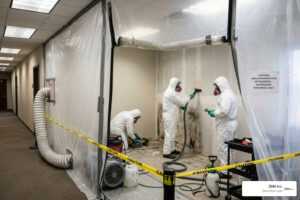
Furniture mold remediation experts are certified professionals who inspect, contain, treat, and restore mold-damaged furniture — saving items that most people assume are trash-bound.
If you manage a commercial property and need fast answers, here’s what matters most:
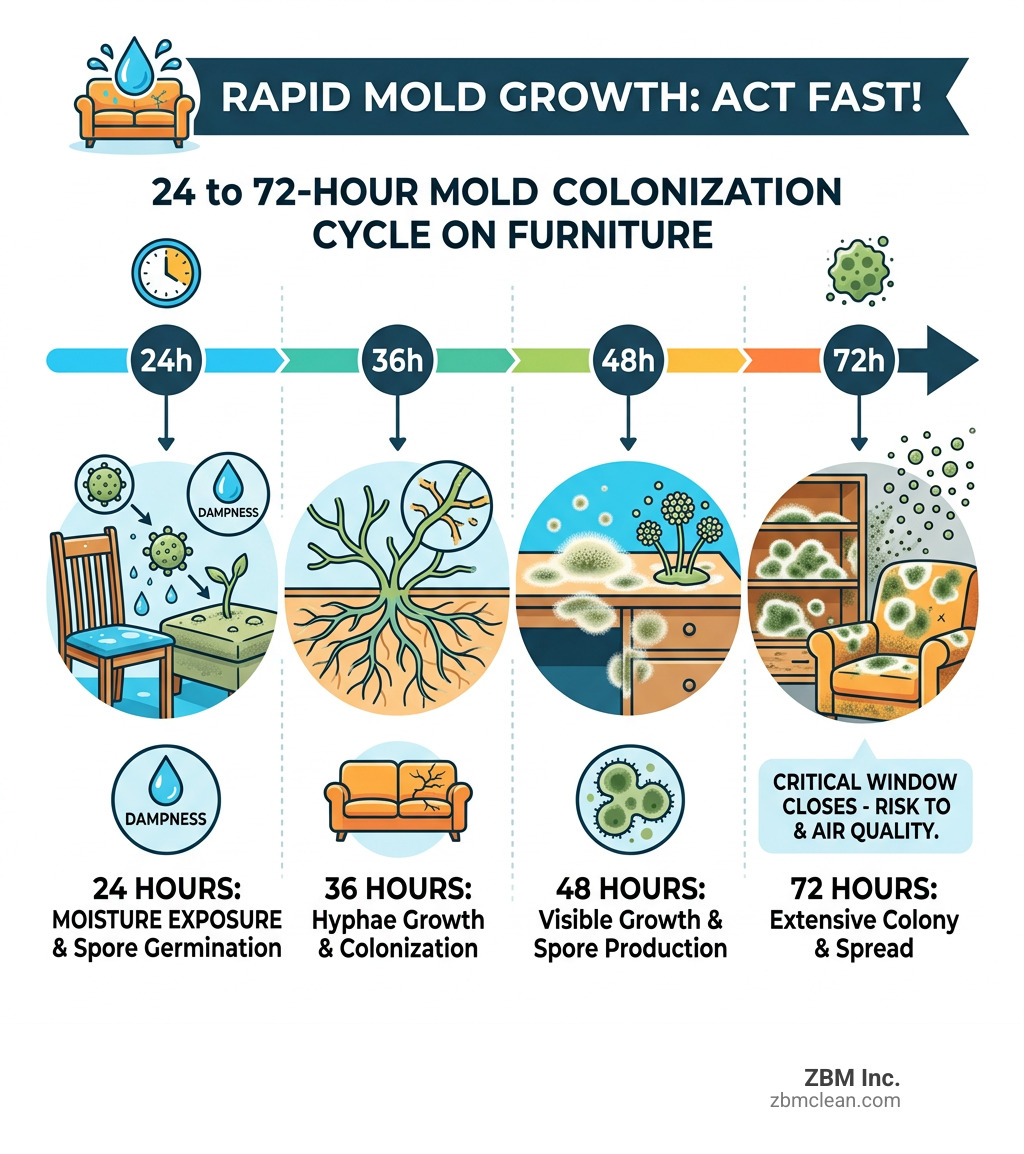
- Act within 24-48 hours. Mold begins growing on furniture that fast after water exposure.
- Don’t move moldy items without containment. You’ll spread spores to clean areas.
- Hire IICRC-certified professionals. They follow industry standards for safe, effective removal.
- Most furniture can be saved. Wood, upholstery, and textiles all have proven restoration methods.
- Address the moisture source first. Without fixing the root cause, mold comes back.
Mold doesn’t wait. A slow pipe leak, a flooded break room, a damp storage area — any of these can quietly destroy chairs, desks, couches, and cabinets before you even notice the smell.
Mold can colonize from a small leak in as little as 72 hours. For a busy property manager, that window closes fast.
The bigger problem? Moving or cleaning moldy furniture the wrong way spreads microscopic spores throughout your building. What started as one affected piece can quickly become an air quality issue affecting everyone inside.
This guide walks you through exactly what professional remediation involves, what to look for in a qualified company, and how to protect your property long-term.
Why You Need Furniture Mold Remediation Experts
When you discover a fuzzy green patch on the back of a sofa or a white film on a wooden desk, your first instinct might be to grab a bucket of soapy water. However, mold is a biological hazard that requires more than a surface wipe. Furniture mold remediation experts are necessary because mold is not just an eyesore; it is a living organism that feeds on your belongings.
Mold thrives on organic materials. Most furniture is a buffet for mold spores because it contains cellulose (found in wood and paper) or organic fibers in upholstery. As mold grows, it digests these materials, eventually compromising the structural integrity of the item. A chair that looks “just a little moldy” today could become structurally unsound in a matter of weeks.
Beyond the furniture itself, there are significant health hazards to consider. Mold produces allergens, irritants, and in some cases, potentially toxic substances. Exposure can lead to:
- Respiratory issues and wheezing
- Persistent headaches and fatigue
- Sinus irritation and red, itchy eyes
- Skin rashes
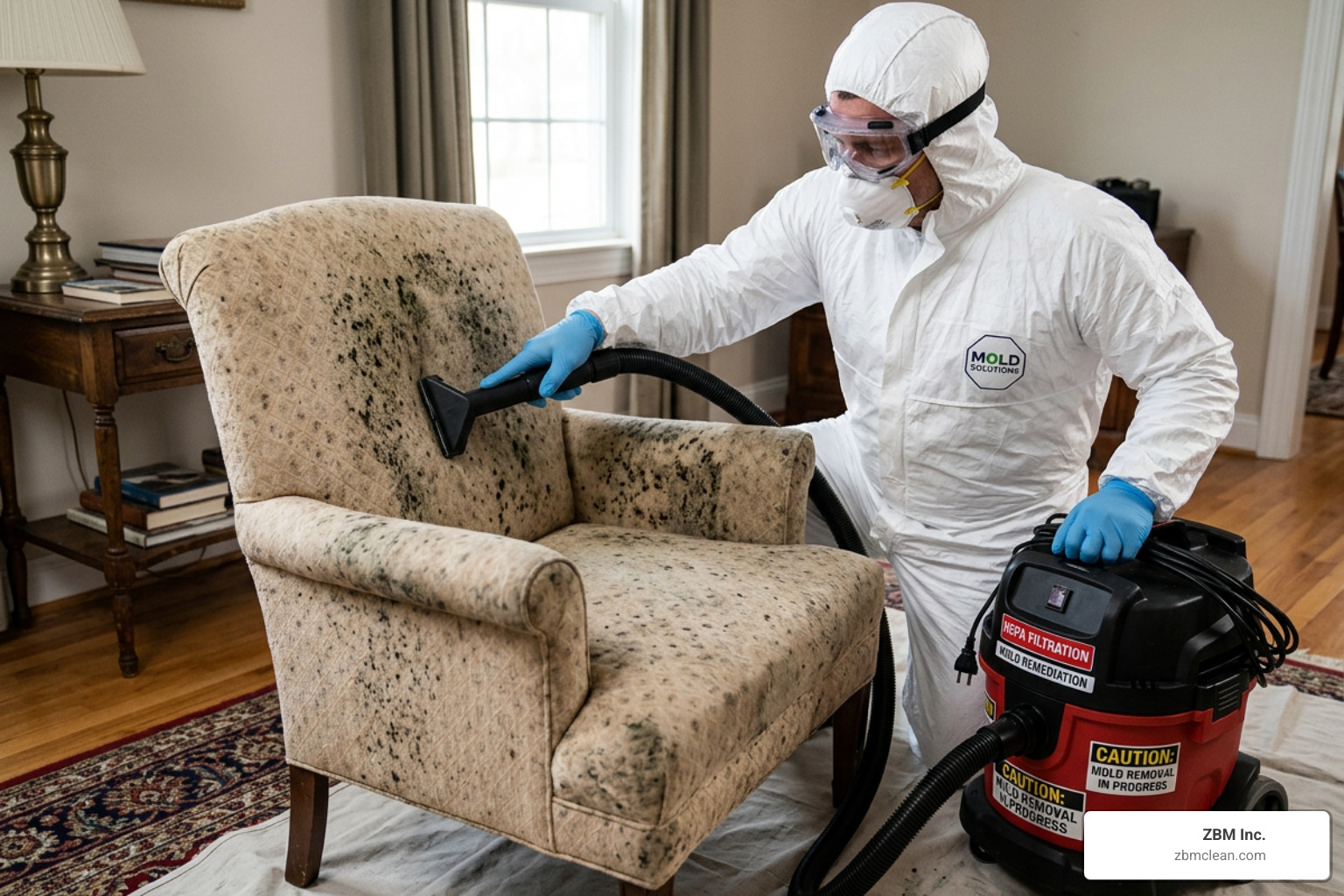
Because mold spores are microscopic, they easily become airborne. If you attempt to scrub mold without professional containment, you are essentially launching millions of spores into your indoor air. This is why understanding the 5 types of toxic mold and why you need biohazard cleanup is critical for any property owner in Southeast Wisconsin. Professionals use specialized equipment, like HEPA vacuums, to capture these spores rather than spreading them.
Identifying the Signs of Mold on Your Belongings
Sometimes mold is obvious, but often it’s a “sneaky” intruder. In cities like Watertown and across Dodge County, humidity can fluctuate, creating the perfect breeding ground. Here is how to tell if your furniture has a problem:
- Musty Odors: That “old basement” or “wet dog” smell is often the first sign. It is caused by microbial volatile organic compounds (mVOCs) released by mold as it grows.
- Discolored Patches: Mold isn’t always black. It can appear as white, powdery spots, or fuzzy patches of green, pink, or even bright orange.
- Fuzzy Textures: If a surface that should be smooth feels velvety or “hairy,” you likely have active fungal growth.
- The 45% Humidity Threshold: Mold loves moisture. If your indoor humidity levels are consistently above 45-50%, your furniture is at risk.
- Water Stains: Any yellow or brown staining on wood or fabric suggests a previous moisture event, which is an open invitation for mold.
- Allergic Reactions: If you or your employees start sneezing or experiencing itchy eyes only when sitting in a specific room, the furniture may be the culprit.
Understanding what you are dealing with is the first step in biohazard cleanup and understanding biohazardous waste. If you see these signs, it is time to call in the experts before the colony spreads to your walls and flooring.
The Professional Process for Restoring Damaged Items
Hiring furniture mold remediation experts ensures a systematic approach that prioritizes safety and item salvage. We don’t just “clean” furniture; we remediate the environment.
The process typically follows these steps:
- Inspection and Moisture Mapping: We use moisture meters and thermal imaging to find the hidden water sources fueling the growth.
- Containment: To prevent cross-contamination, we set up physical barriers (plastic sheeting) and use negative air pressure. This ensures that spores disturbed during cleaning don’t travel to other rooms.
- Air Filtration: We deploy industrial air scrubbers with HEPA filters to strip mold spores from the air in real-time.
- HEPA Filtration/Vacuuming: We use specialized vacuums that trap 99.97% of particles. Standard shop-vacs actually blow spores back out into the air.
- Antimicrobial Treatments: We apply hospital-grade solutions that kill mold at the root while being safe for the specific furniture material.
For a deeper look at what to expect during this service, you can read our guide on biohazard cleanup services: what to expect.
Specialized Techniques Used by Furniture Mold Remediation Experts
Different materials require different “weapons.” A technique that works on a solid oak table would ruin a velvet armchair.
- Wood Treatment: For non-porous or semi-porous wood, we often use organic biocides and precision hand-cleaning. If the mold has penetrated the finish, light sanding and refinishing may be required.
- Textile Laundering: Curtains, linens, and removable cushion covers are treated with specialized antifungal detergents in controlled temperatures.
- Upholstery Foam Cleaning: We use low-moisture foam or dry-cleaning methods for delicate fabrics. This prevents “over-wetting,” which could actually trigger more mold growth inside the cushion.
- Ozone and Fogging: To remove the deep-seated “musty” smell, we may use ozone machines or thermal fogging, which neutralizes odors at a molecular level.
Before we arrive, there are 5 things to do before cleaning biohazard damages that can help streamline the process.
How Furniture Mold Remediation Experts Handle Water Damage
Water and mold are inseparable. If you have a flood or a leak in Jefferson County, you have a 24-48 hour window before mold takes hold. Experts address this by:
- Rapid Drying: Using industrial-strength air movers and LGR (Low Grain Refrigerant) dehumidifiers.
- Dehumidification: Pulling moisture out of the air—and the furniture—to stop the mold’s life cycle.
- Root Cause Identification: We don’t just fix the chair; we help you identify if the culprit is a leaky window, a pipe, or a failing HVAC system.
Professional Restoration vs. DIY Removal
Many people ask, “Can’t I just use bleach?” The answer is usually no. Bleach is mostly water; while it might change the color of mold on the surface, the water in the bleach can soak into porous materials, actually feeding the mold roots (hyphae) deeper inside.
| Feature | DIY Cleaning | Professional Remediation |
|---|---|---|
| Equipment | Household rags, spray bottles | HEPA vacuums, air scrubbers, moisture meters |
| Safety | High risk of spore inhalation | Full PPE, containment, negative air pressure |
| Effectiveness | Surface level only; mold often returns | Root cause removal; prevents recurrence |
| Standards | None | IICRC S520 Standards |
| Risk | Cross-contamination to other rooms | Controlled environment |
Choosing the right partner is vital. Our buyer’s guide on how to choose a biohazard cleanup company highlights why specialized equipment and safety protocols are non-negotiable when dealing with fungal growth.
How to Prevent Future Mold Growth on Furniture
Once your furniture is restored, you want to keep it that way. In the Northwoods and Southeastern WI, managing the indoor environment is key.
- Humidity Control: Keep your indoor humidity between 30% and 50%. Use a hygrometer (a cheap tool available at hardware stores) to monitor this.
- Ventilation: Ensure air can circulate around your furniture. Don’t press large wardrobes or sofas directly against external walls where condensation can form.
- Leak Maintenance: Check under sinks and around windows regularly. A small drip can colonize mold within 72 hours.
- Air Circulation: Use ceiling fans or standing fans in areas that feel “stale” or damp, like basements.
For those in our local service area, we offer specific advice on biohazard clean up in Wisconsin to help you navigate our unique climate challenges.
Frequently Asked Questions about Furniture Mold
Can all moldy furniture be saved?
Not always, but furniture mold remediation experts can save more than you’d think.
- Non-porous materials (metal, plastic, glass) are almost always salvageable.
- Semi-porous materials (solid wood) are usually restorable through professional cleaning.
- Porous materials (particle board, pressed wood, some upholstery) are the hardest. If mold has deeply penetrated the fibers of a cheap particle-board bookshelf, replacement is often more cost-effective and safer than restoration.
We prioritize ensuring safety after contamination when making these recommendations.
Is it safe to keep furniture after mold removal?
Yes, provided it has been professionally remediated. Experts ensure “spore clearance,” meaning the mold count on the item is back to normal background levels. Through deep sanitization and odor elimination, the item becomes safe for use again. You can learn more about the specifics of these processes in our article on what biohazard cleaning services include.
How do I know if the mold is toxic?
While “black mold” (Stachybotrys chartarum) gets the most headlines, many types of mold can produce mycotoxins. You cannot determine toxicity just by looking at the color. Professional testing and surface sampling are the only ways to be certain. Regardless of the type, any significant mold growth should be treated with the same level of caution. For more details, see our breakdown of the 5 types of toxic mold.
Conclusion
Furniture is often more than just a functional object; it can be a significant financial investment or a cherished family heirloom. When mold strikes, you don’t have to face the “slosh” of water damage or the musty scent of decay alone.
At ZBM Inc., we are your local furniture mold remediation experts serving Watertown, WI, and the surrounding areas, including Dodge and Jefferson Counties. As a family-owned, licensed, bonded, and insured company, we bring certified professionals to every job to ensure your property is safe, dry, and restored.
Whether you are dealing with a flooded basement in Lake Mills or discovered sneaky mold in your Northwoods cottage, we are here to help. Don’t let mold take over your home or office—reach out to the experts who understand the 5 types of toxic mold and why you need biohazard cleanup today.