Safe, Legal Infectious Material Removal in Wisconsin
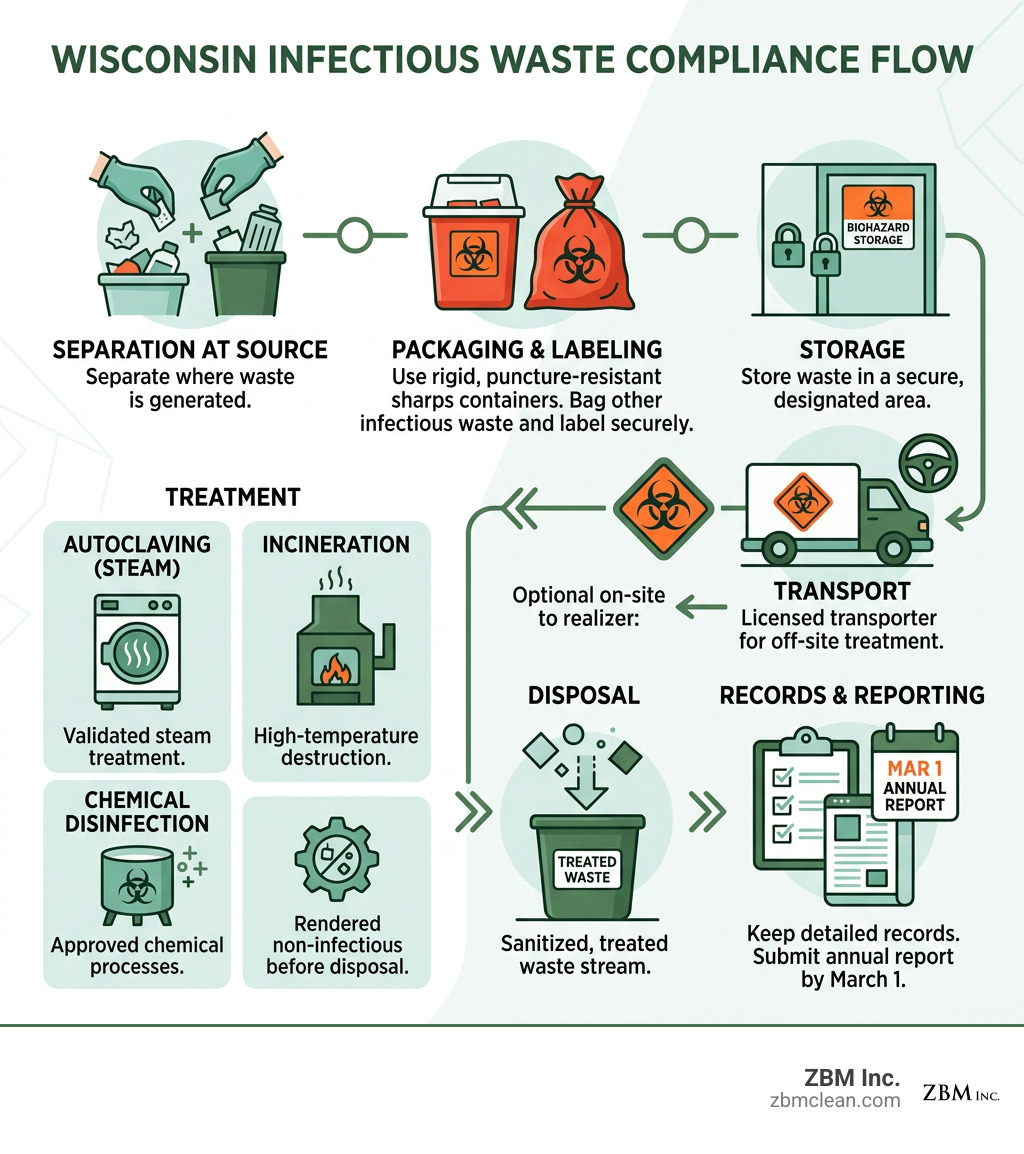
For infectious material removal Wisconsin businesses must separate biohazardous waste where it is created, place sharps in rigid puncture-resistant containers, label and secure infectious waste, and use an approved treatment or licensed transporter when required. Wisconsin Department of Natural Resources rules also require generators to keep records and, unless exempt, submit an annual report by March 1.
This matters to property managers, healthcare offices, laboratories, senior-care facilities, and other commercial sites. A used needle, bulk blood, certain body fluids, laboratory cultures, and human tissue can all trigger special handling rules. Once ordinary trash is mixed with infectious waste, the mixed material may need to be managed as medical waste.
Wisconsin requires infectious waste to be treated so it is no longer infectious before disposal. Depending on the waste and facility, that may involve incineration, steam treatment such as autoclaving, chemical disinfection, or another approved process. Sharps need extra care: they must stay in labeled, puncture-resistant containers and should not be placed loose in trash bags.
This guide explains the state rules in plain English, including transport thresholds, manifests, storage, treatment, reporting, vaccine waste, and household exemptions. It is not a substitute for site-specific advice from the Wisconsin DNR or qualified waste professionals.
I am Terry Zastrow, owner of ZBM Inc., a certified firm with about 30 years of operational experience serving public and private-sector clients. Our training and field background support safe, compliant infectious material removal Wisconsin facilities can rely on when a specialized response is needed.
Infectious material removal Wisconsin terms made easy:
- biohazard disinfection Dodge County
- infectious disease cleanup Jefferson
- medical waste cleanup Watertown
Legal Definitions and Waste Classifications Under Chapter NR 526
Understanding biohazard management begins with the exact regulatory structure established by the state. Under Wisconsin Legislature: Chapter NR 526, the law makes an important distinction between general solid waste, medical waste, and infectious waste.
Infectious waste is legally defined as solid waste that contains pathogens with sufficient virulence and quantity so that exposure to the waste by a susceptible human or animal could result in an infectious disease. Medical waste is a broader category: it encompasses all infectious waste as well as any non-infectious solid waste that is commingled with it. If ordinary packaging, paper towels, or disposable items are mixed into a biohazard bag, state rules require the entire batch to be handled under the stricter medical waste requirements.
Wisconsin law establishes several categories of materials that are presumed to be infectious waste:
- Sharps: Contaminated or uncontaminated items capable of cutting or puncturing, such as hypodermic needles, syringes with attached needles, scalpel blades, lancets, and broken glass from laboratory environments.
- Bulk Blood and Body Fluids: Liquid blood, blood products, and body fluids present in pourable volumes or containers holding more than 20 milliliters.
- Microbiological Laboratory Waste: Cultures, stocks of infectious agents, specimens, vaccines, and culture dishes.
- Human Tissue and Pathological Waste: Tissues, organs, body parts, and surgical specimens removed during medical procedures or post-mortem examinations.
- Zoonotic Animal Waste: Animal carcasses, body parts, tissues, and bedding from animals known or suspected to be infected with pathogens that can be transmitted to humans.
| Waste Category | Definition & Examples | Legal Handling Status |
|---|---|---|
| Infectious Waste | Specific items carrying pathogenic risks (sharps, bulk blood, lab cultures, human tissue). | Regulated under NR 526; mandatory treatment/destruction before disposal. |
| Medical Waste | Broad umbrella including all infectious waste plus any non-infectious waste mixed with it. | Must be treated according to infectious standards if commingled. |
| General Solid Waste | Non-infectious materials (clean bandages, office trash, empty dry packaging). | Standard municipal solid waste disposal permitted. |
Attempting to sort or manage biohazards internally without specialized industrial training and equipment can be exceptionally dangerous, time-consuming, and difficult. Improper cleanup attempts rarely address deep micro-contamination and can expose employees or residents to bloodborne pathogens. That is why facilities across Dodge County, Jefferson County, and Southeastern WI rely on certified cleanup professionals to resolve these risks properly.
State Mandates for Infectious Material Removal Wisconsin
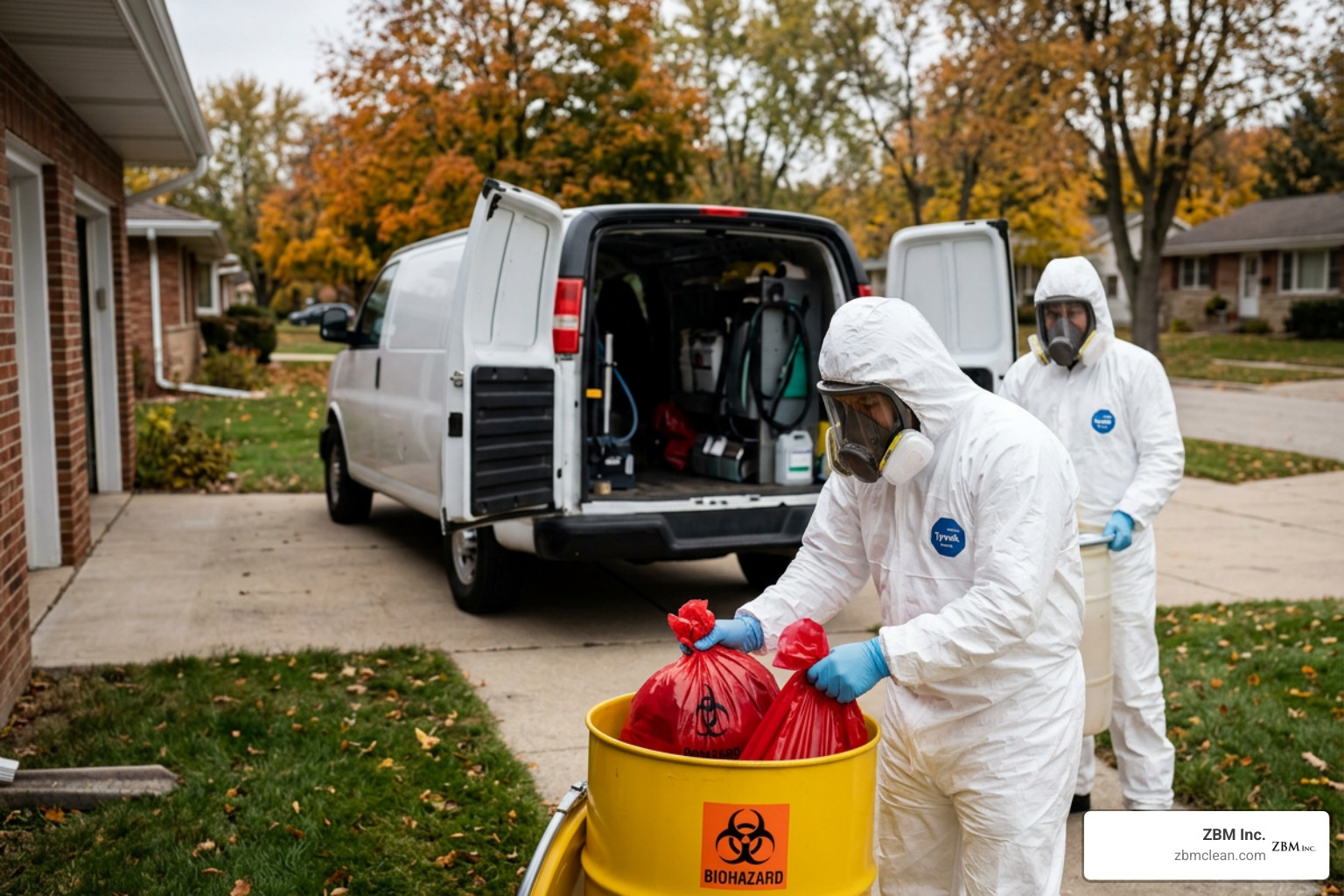
Under Wisconsin’s infectious waste regulations administered by the Wisconsin Department of Natural Resources (WDNR), commercial operations must adhere to defined containment, storage, transport, and tracking obligations. These mandates prevent biohazardous materials from entering general municipal landfills, recycling streams, or municipal sewage systems without prior decontamination.
The rules establish specific operational thresholds for generators. Facilities handling significant daily volumes or moving materials over public roadways must follow strict licensing channels, whereas small-scale operations have specific conditional exemptions designed to streamline routine operations.
Containerization and Storage Protocols for Sharps and Biohazards
Containment standards under Wisconsin Legislature: NR 526.09(4)(a) are rigorous. Plastic bags used for non-sharps infectious waste must meet standard durability benchmarks, such as ASTM D1709-04 (165-gram impact resistance dart test) and ASTM D1922-03a (tear resistance). These bags must be clearly marked with the biohazard symbol and sealed securely during storage and handling.
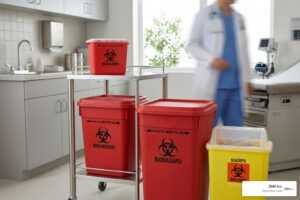
Sharps demand specialized rigid containers that are puncture-resistant, leak-proof on the sides and bottom, and clearly labeled with the biohazard emblem or the words “Biohazard” or “Infectious Waste.” Facilities must empty and remove sharps containers from generation points at least every 90 days. For storage areas holding bulk biohazardous materials, operations must maintain clean, secured, and enclosed spaces protected from weather and unauthorized access. When odors become a concern, state regulations mandate temperature-controlled storage, requiring waste to be refrigerated below 42°F.
Transportation Rules for Infectious Material Removal Wisconsin
Transporting biohazards across Wisconsin roads involves specific licensing criteria overseen by the WDNR:
- The 50-Pound Exemption: Generators who transport less than 50 pounds of their own infectious waste per calendar month are exempt from obtaining a commercial infectious waste transportation license, provided the waste is secured in compliant containers.
- Commercial Transporter Licensing: Any entity transporting 50 pounds or more in a calendar month must hold a WDNR Infectious Waste Transportation License. The license structure requires an annual base fee of $253 plus $22 for each transport vehicle. Licenses operate annually from October 1 through September 30.
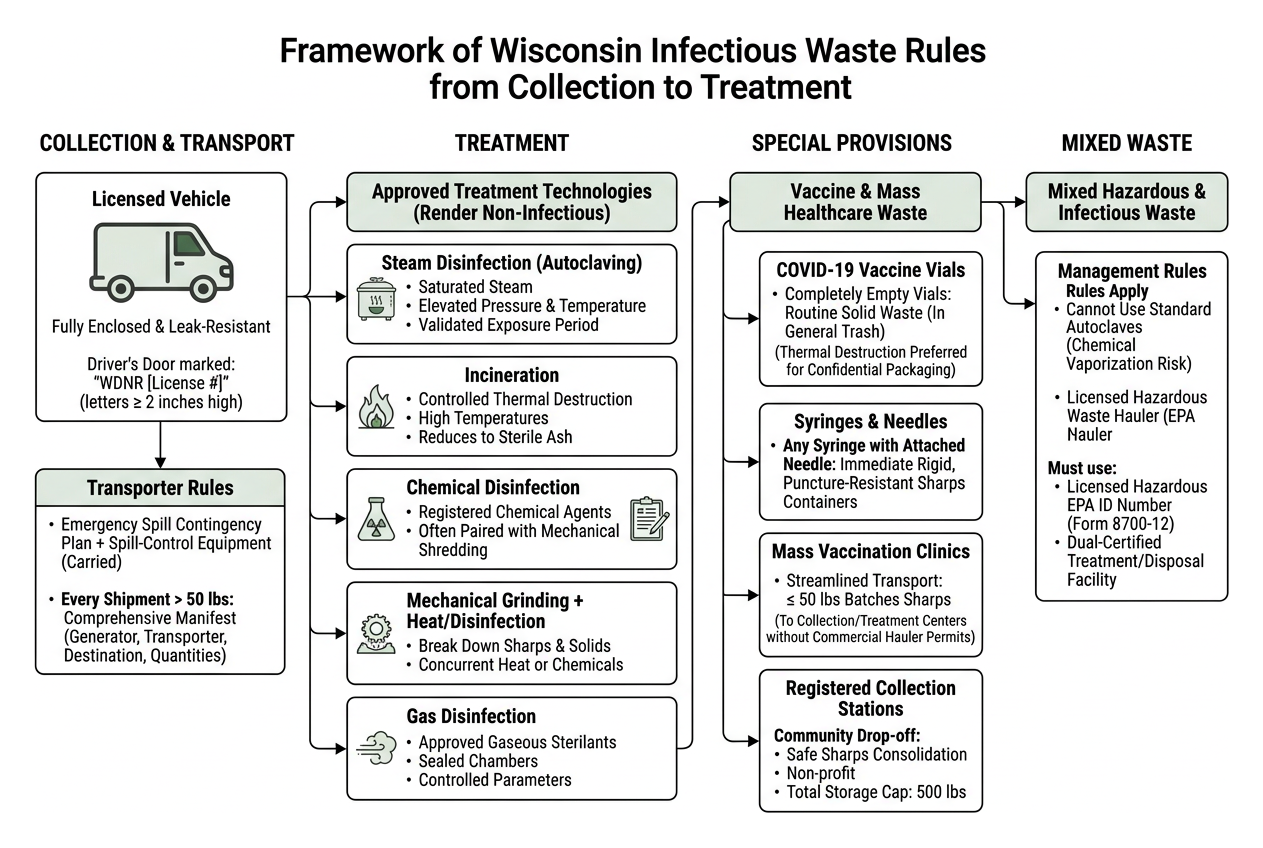
- Vehicle Standards: Licensed transport vehicles must be fully enclosed, leak-resistant, and permanently marked on the driver’s door with “WDNR” followed by the assigned license number in letters at least two inches high.
- Shipping Manifests and Contingency Plans: Transporters must carry written emergency spill contingency plans and spill-control equipment. Every shipment exceeding 50 pounds requires a comprehensive manifest detailing the generator, transporter, destination facility, and waste quantities.
Approved Treatment Technologies and Disposal Standards
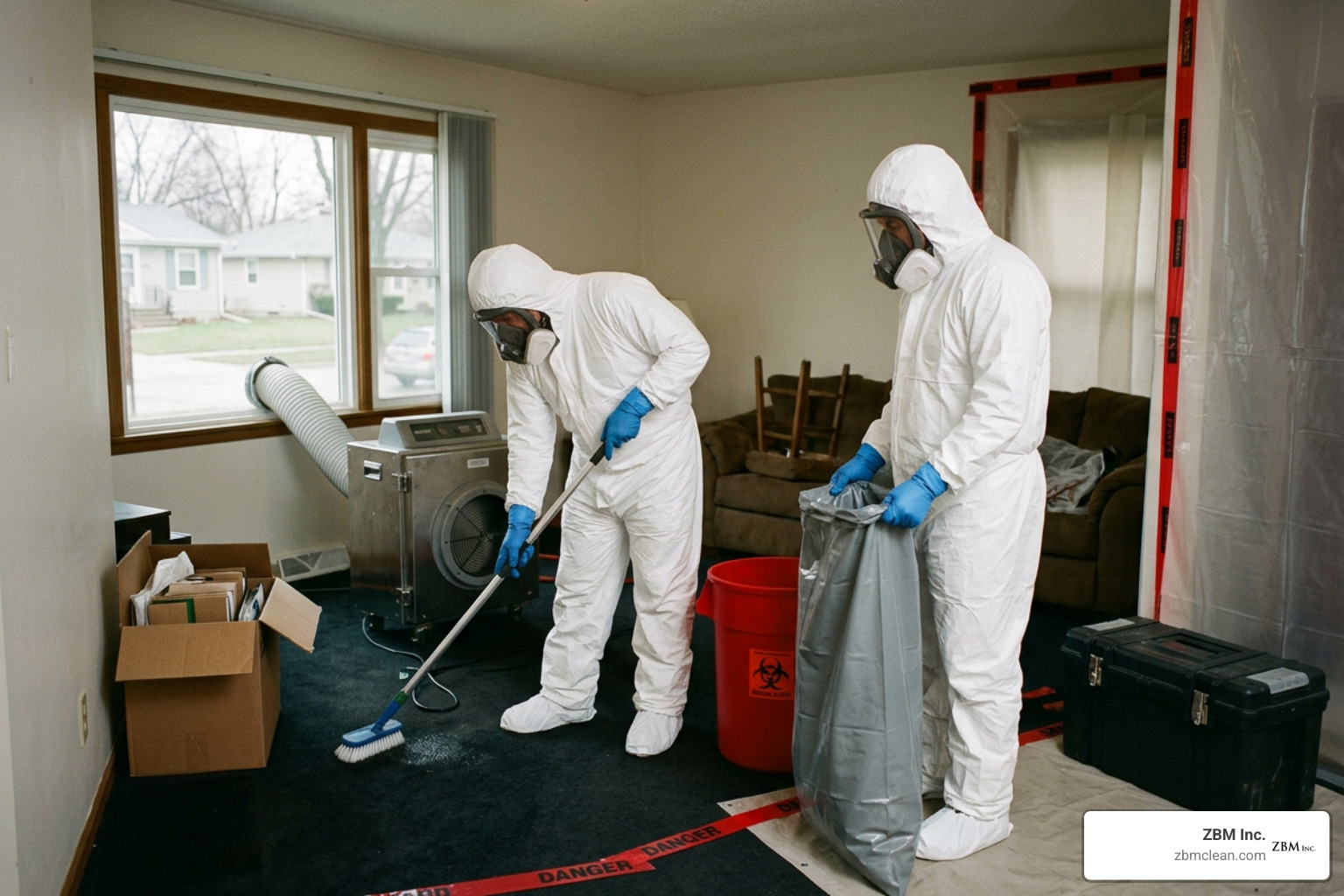
Before any infectious waste can be safely deposited into an approved municipal solid waste landfill in Wisconsin, it must undergo authorized treatment to render it non-infectious. Under Wisconsin Legislature: NR 526.11(2)(f), the state recognizes several core treatment technologies:
- Steam Disinfection (Autoclaving): Subjecting materials to saturated steam under elevated pressure and temperature for a validated exposure period to eliminate all viable pathogens.
- Incineration: Controlled thermal destruction in an engineered, permitted solid waste incinerator operating at high temperatures, which reduces pathological waste and tissue to sterile ash.
- Chemical Disinfection: Utilizing registered chemical agents designed to neutralize biological agents, frequently paired with mechanical shredding systems.
- Mechanical Grinding Combined with Heat or Disinfection: Automated systems that mechanically break down sharps and solids while simultaneously applying heat or sterilizing chemicals to decontaminate the material.
- Gas Disinfection: Utilizing approved gaseous sterilants within sealed treatment chambers under strictly controlled environmental parameters.
Facilities that treat fewer than 500 pounds of infectious waste per day on-site are exempt from solid waste processing facility licensing requirements, though they must strictly maintain operational logs. Operators treating 50 pounds or more per month must record every individual cycle—including date, time, operating parameters, waste weight, and biological indicator testing results. For small generators treating under 50 pounds per month, logging periodic efficacy test cycles is mandatory.
Handling Mixed Hazardous Waste and Infectious Material Removal Wisconsin Guidelines
When biological materials are contaminated with hazardous chemicals—such as formalin, mercury, heavy metals, or hazardous pharmaceutical residues—the waste exhibits dual characteristics. Under Resource Conservation and Recovery Act (RCRA) standards and Wisconsin hazardous waste regulations, mixed infectious and hazardous waste must be managed according to the most stringent rules applicable.
Mixed waste cannot be processed through standard commercial autoclaves, as heat can vaporize volatile chemicals or toxic metals into the air. Instead, mixed waste must be transported by a licensed hazardous waste hauler using an EPA Identification Number (obtained via EPA Form 8700-12) and delivered to a dual-certified treatment and disposal facility equipped for both hazardous and biohazardous waste destruction.
Special Provisions for Vaccine and Mass Healthcare Waste
Wisconsin regulations provide clear, practical parameters for modern healthcare challenges, including large-scale immunization clinics:
- COVID-19 Vaccine Vials: Completely empty vaccine vials are classified as routine solid waste and can be placed in general trash streams, though thermal destruction is often preferred for confidential or proprietary pharmaceutical packaging.
- Syringes and Needles: Any syringe with an attached needle used during vaccinations must be immediately placed into rigid, puncture-resistant sharps containers.
- Mass Vaccination Clinics: Community vaccination events benefit from streamlined transport provisions, allowing authorized organizers to move under-50-pound batches of collected sharps to designated collection stations or central treatment centers without commercial hauler permits.
- Registered Collection Stations: Community drop-off stations provide safe consolidation points for public sharps disposal, operating on a non-profit basis with total on-site storage capped at 500 pounds.
Frequently Asked Questions About Biohazard and Infectious Waste
What is the annual reporting deadline for infectious waste generators in Wisconsin?
All commercial and institutional infectious waste generators in Wisconsin that do not qualify for small-quantity exemptions must compile and submit their annual waste report to the Wisconsin DNR by March 1 of each year, covering the previous calendar year’s activities.
How do household biohazard disposal rules differ from commercial healthcare facilities?
Private households are exempt from most commercial storage, manifest, and administrative licensing rules. However, Wisconsin law prohibits placing loose sharps into household trash or recycling. Households must place sharps into rigid, puncture-resistant containers and take them to registered drop-off collection stations. Non-sharp household items containing minimal blood can be double-bagged in plastic and placed into regular household waste.
What are the recordkeeping retention timelines for medical manifests?
Under state administrative rules, hospitals, clinics, and nursing homes must retain all infectious waste manifests, certificates of destruction, and treatment logs for at least 5 years. All other commercial generators, such as research labs and specialized facilities, must keep these records on file for a minimum of 3 years.
Conclusion
Navigating the complexities of Wisconsin’s Chapter NR 526 regulations requires rigorous adherence to state laws, meticulous recordkeeping, and safe handling procedures. When unexpected biological incidents, severe contamination, or biohazard situations occur across commercial properties or residential communities, attempting to handle the situation internally can lead to substantial safety hazards, regulatory violations, and incomplete decontamination.
At ZBM Inc., we are certified, licensed, bonded, and insured professionals headquartered in Watertown, WI. With decades of hands-on experience, our family-owned team delivers compliant, discreet, and reliable remediation across Dodge County, Jefferson County, Lake Mills, Southeast Wisconsin, and the Northwoods around Minocqua. When you require professional assistance with complex biohazard and trauma remediation, explore our guide to crime scene cleanup companies to understand how certified specialists protect your environment and restore safety.