Why Your Bathroom Hygiene Checklist Is the Difference Between Clean and Actually Clean
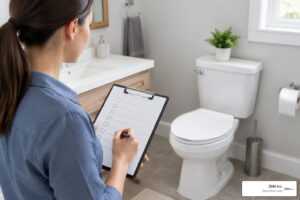
A solid bathroom hygiene checklist is the fastest way to stop grime, bacteria, and mold from taking over one of the most-used spaces in any building. Whether you manage one restroom or twenty, having a structured checklist means nothing gets missed — and nothing festers.
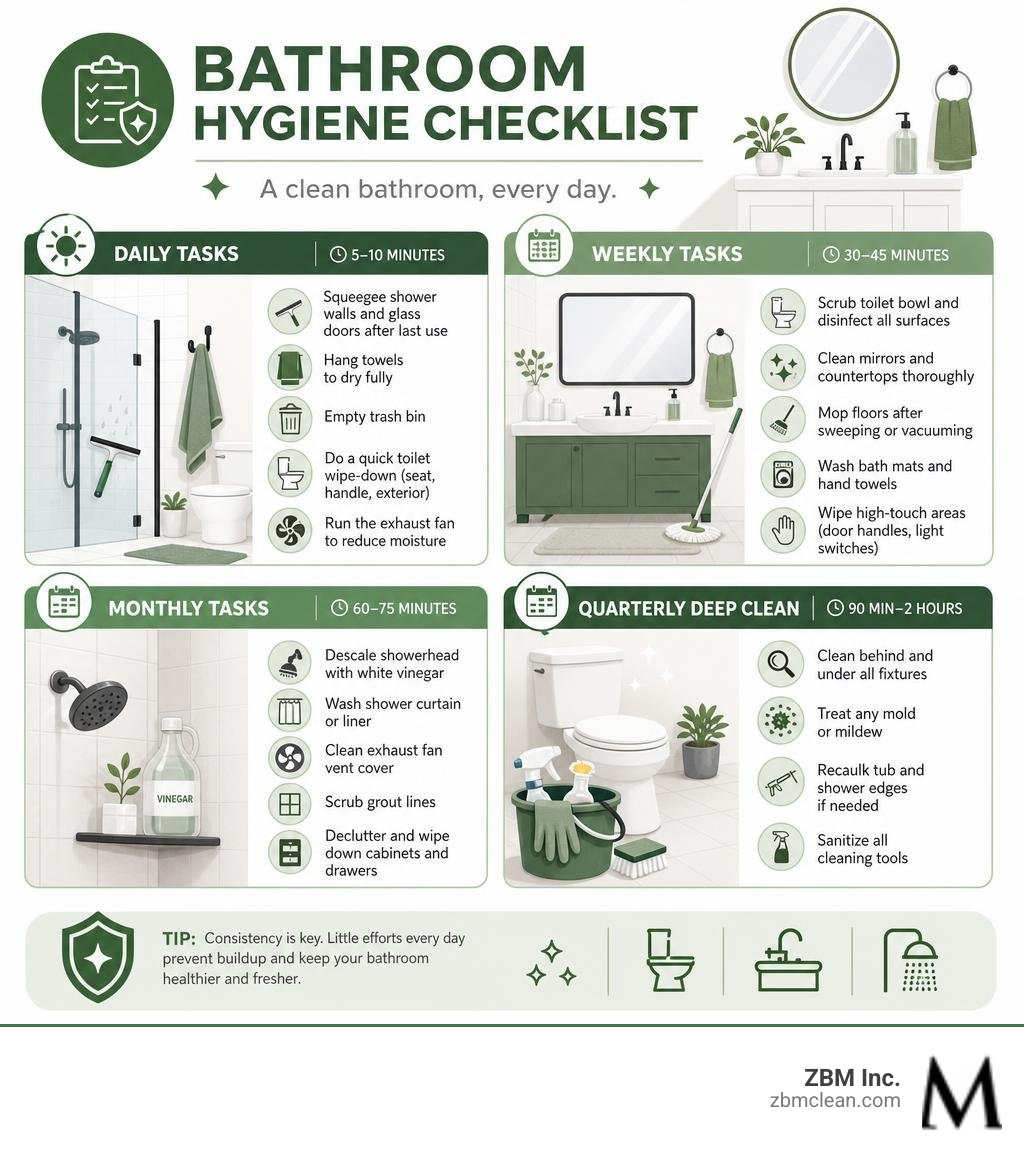
Here is a quick-reference checklist to get you started right away:
Daily Tasks (5–10 minutes)
- Wipe down sink and faucet with a disinfecting cloth
- Squeegee shower walls and glass doors after last use
- Hang towels to dry fully
- Empty trash bin
- Do a quick toilet wipe-down (seat, handle, exterior)
- Run the exhaust fan to reduce moisture
Weekly Tasks (30–45 minutes)
- Scrub toilet bowl and disinfect all surfaces
- Clean mirrors and countertops thoroughly
- Mop floors after sweeping or vacuuming
- Wash bath mats and hand towels
- Wipe high-touch areas (door handles, light switches)
Monthly Tasks (60–75 minutes)
- Descale showerhead with white vinegar
- Wash shower curtain or liner
- Clean exhaust fan vent cover
- Scrub grout lines
- Declutter and wipe down cabinets and drawers
Quarterly Deep Clean (90 min–2 hours)
- Clean behind and under all fixtures
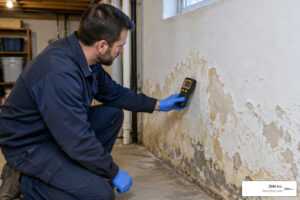
- Treat any mold or mildew
- Recaulk tub and shower edges if needed
- Sanitize all cleaning tools
The bathroom is one of the hardest spaces to keep consistently clean. Grime builds fast, moisture creates mold, and high-touch surfaces harbor more bacteria than most people realize. According to a 2023 study by SafeHome.org, the shower curtain alone carries the highest level of bacteria of any item in the bathroom — a sobering reminder that a quick visual scan is not the same as a proper clean.
I’m Terry Zastrow, owner of ZBM, Inc., a certified cleaning firm with approximately 30 years of experience maintaining bathrooms and restrooms for commercial properties, municipalities, and housing authorities — and a bathroom hygiene checklist is one of the most practical tools we use every single day. The guidance in this article reflects both industry best practices and the real-world systems our certified teams rely on.
Bathroom hygiene checklist vocab to learn:
The Ultimate Bathroom Hygiene Checklist: Daily, Weekly, and Monthly Tasks
Maintaining a clean and sanitary bathroom comes down to consistency and smart time management. If we wait until there is a visible ring in the toilet bowl or a thick layer of dust on the baseboards, cleaning becomes an exhausting, multi-hour ordeal.
By breaking tasks down into realistic daily, weekly, and monthly intervals, we can keep our bathrooms fresh without feeling overwhelmed. If you want to follow a highly structured approach, utilizing The Ultimate Bathroom Cleaning Checklist is an excellent starting point. Let’s look at how we can divide these tasks effectively to master How to Clean a Bathroom.
Daily Bathroom Hygiene Checklist Habits
Daily maintenance should take no more than five minutes, but it does wonders for preventing grime buildup. The golden rule of daily bathroom hygiene is moisture control. Soap scum only forms when standing water is left to dry on surfaces.
- Squeegee the shower: Use a squeegee on glass doors and tiled walls after the last shower of the day. This simple habit eliminates 90% of soap scum and water spots before they can bond to your fixtures.
- Wipe the sink and faucet: Wipe down the sink basin and faucet handles with a quick wipe or a dry microfiber cloth to remove toothpaste splatters and water spots.
- Hang towels properly: Spread towels out completely on a bar rather than hanging them bunched up on a hook. This ensures they dry quickly, preventing the growth of sour-smelling bacteria.
- Empty the trash: Discard bathroom trash daily, especially if it contains organic waste, to keep odors at bay.
- Ventilation habits: Keep the exhaust fan running for at least 15 to 20 minutes after bathing to pull humid air out of the room.
Weekly Bathroom Hygiene Checklist Deepening
Once a week, it is time to tackle the tasks that keep pathogens from colonizing your bathroom. This weekly routine typically takes 30 to 45 minutes and focuses on sanitizing high-touch surfaces. For a comprehensive guide to these weekly steps, you can refer to The Ultimate Bathroom Cleaning Checklist.
- Toilet disinfection: Apply a dedicated toilet bowl cleaner and let it sit for 10 to 15 minutes before scrubbing. Wipe down all exterior toilet surfaces, including the flush handle, lid, and base.
- Floor cleaning: Always sweep or vacuum the floor first to collect hair, dust, and debris. Follow up with a damp mop using a disinfecting floor cleaner.
- High-touch surfaces: Disinfect doorknobs, light switches, cabinet pulls, and faucet handles.
- Launder linens: Wash all bath towels, hand towels, and bath mats in hot water.
For those who love structured paperwork or want to hand out chores, you can check out 42 Printable Bathroom Cleaning Checklists [Word, PDF, Excel] or follow a simplified Bathroom Cleaning Checklist to keep everyone in the household on the same page.
Monthly and Seasonal Maintenance Tasks
Monthly and seasonal tasks address the hidden, slow-growing issues like mineral scale, dust accumulation in vents, and cabinet clutter. You can find detailed breakdowns of these tasks in the Ultimate Bathroom Cleaning Checklist for Easy Cleaning .
- Clean the exhaust fan: Dust and lint trap moisture in your fan, reducing its efficiency. Remove the vent cover, vacuum out the dust, wash the cover with warm soapy water, and let it dry completely before reinstalling.
- Descale the showerhead: Mineral deposits can clog spray holes. Tie a plastic bag filled with white vinegar around your showerhead, ensuring the nozzle is fully submerged. Let it soak for at least three hours (or overnight) to dissolve the buildup.
- Cabinet decluttering: Empty your vanity drawers and medicine cabinets. Discard expired medications, old makeup, and empty bottles. Wipe down the interior shelves before organizing your items.
- Wash the shower curtain: Toss fabric shower curtains and plastic liners directly into the washing machine on a cold, gentle cycle with a small amount of detergent.
In cold climates like ours in Southeastern Wisconsin, integrating these deep-cleaning habits into your seasonal home maintenance or using our Quick Bathroom Spring Cleaning Checklist ensures your home stays healthy and mold-free all year round.
The Most Efficient Order of Bathroom Cleaning Tasks
Have you ever mopped yourself into a corner, or wiped down the countertop only to have dust from the ceiling fan fall all over your freshly cleaned surfaces? The order in which you clean matters.
To maximize efficiency and prevent cross-contamination, we always clean from top to bottom and from cleanest to dirtiest. This ensures that any falling dust, drips, or dirty water land on surfaces that have not yet been cleaned.
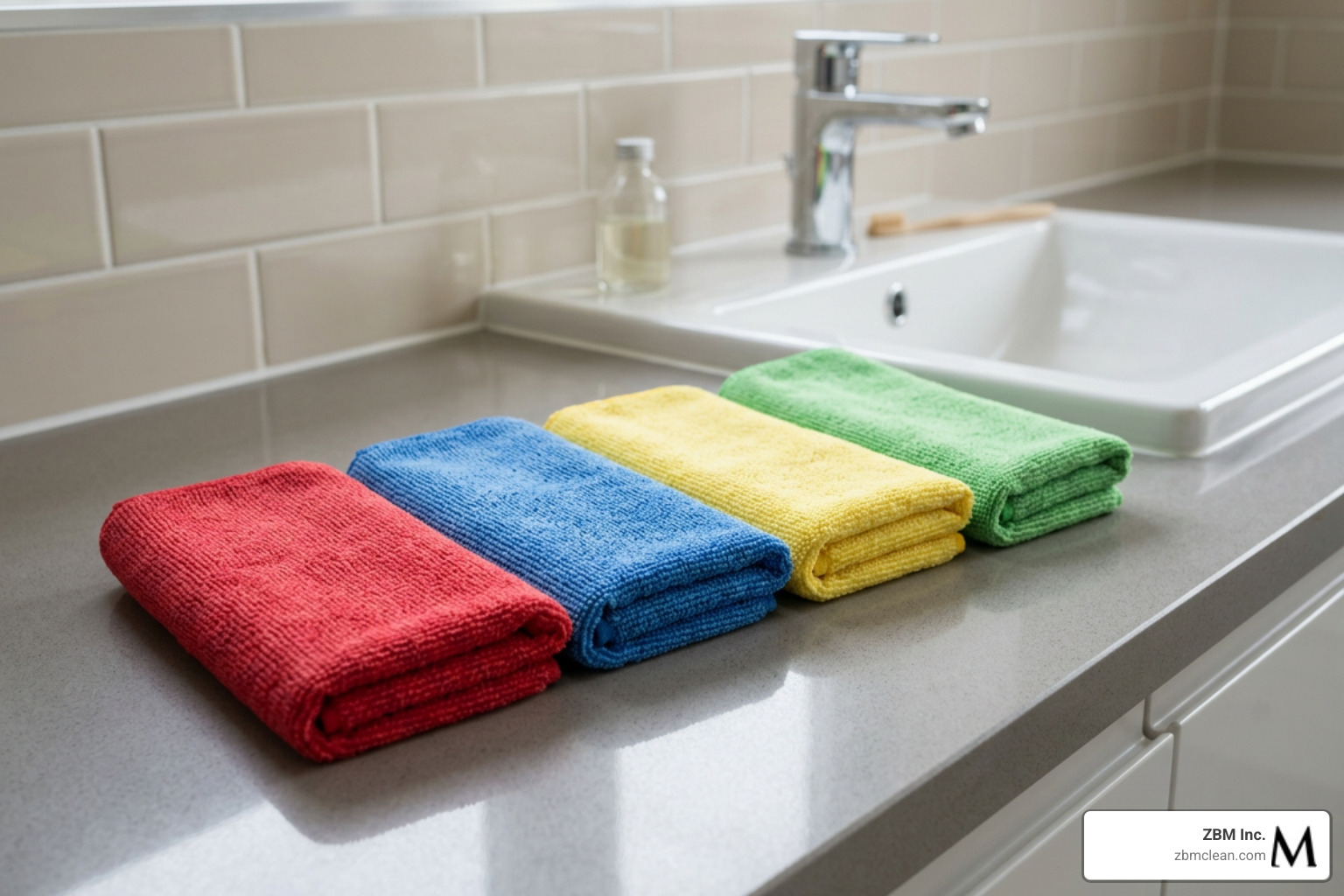
To prevent spreading germs from the toilet to the sink, we highly recommend using color-coded microfiber cloths. For example, use red cloths exclusively for the toilet, blue for glass and mirrors, and yellow for countertops and sinks.
While the general sequence of cleaning remains similar, the scale and stakes change depending on whether you are cleaning a home or managing a commercial facility.
Residential vs. Commercial Bathroom Cleaning Needs
| Cleaning Aspect | Residential Bathroom | Commercial / Public Restroom |
|---|---|---|
| Traffic Volume | Low (typically 1 to 6 users daily) | High to extremely high (dozens to hundreds daily) |
| Cleaning Frequency | Weekly deep clean with daily light touch-ups | Multiple times daily; daily deep sanitization |
| Primary Concerns | Soap scum, hair, hard water, personal clutter | Cross-contamination, public safety, odors, vandalism |
| Key Regulations | Personal household standards | OSHA, local health codes, ADA compliance |
| Equipment Used | Standard household cleaners, mops, microfiber | Commercial pressure washers, color-coded tools, wet signs |
If you are managing commercial spaces in Wisconsin, keeping up with these rigorous standards is crucial to ensure full compliance with public health guidelines and safety regulations.
Step 1: Preparation and Pre-Soaking
The secret to painless cleaning is letting chemistry do the hard work for you.
- Ventilate: Open a window or turn on the exhaust fan to keep air moving and protect yourself from inhaling chemical fumes.
- Clear the clutter: Remove all personal items, toothbrushes, soap dispensers, and bath mats from the counters, tub ledge, and floor.
- Pre-soak fixtures: Apply toilet bowl cleaner under the rim of the toilet. Spray your shower walls, tub, and sink basin with an appropriate cleanser. Let these sit for 10 to 15 minutes. This gives the active ingredients time to break down soap scum, mineral deposits, and bacteria.
- Gear up: Put on your protective gloves and safety glasses if you are using strong sanitizing agents.
Step 2: Top-to-Bottom Surface Cleaning
With your cleaning products soaking below, start working on the high points of the room.
- Dust high areas: Use a long-handled duster to clear cobwebs from ceiling corners, light fixtures, and the tops of door frames. Dust the exhaust fan vent cover.
- Polish mirrors and glass: Spray glass cleaner and wipe in a smooth “S” pattern from top to bottom using a dry microfiber cloth or crumpled newspaper to prevent streaks.
- Wipe countertops and cabinets: Wipe down the vanity countertops, cabinet doors, and vertical drawer fronts.
- Scrub the sink and faucets: Scrub the pre-soaked sink basin, paying close attention to the hard-to-reach area behind the faucet. Polish the handles to a bright shine.
Step 3: Wet Zones and Floor Care
Now that the upper surfaces are clean, move down to the wet areas and finish with the floors.
- Scrub the tub and shower: Scrub the shower walls, glass doors, and tub basin. Rinse thoroughly with warm water and dry with a squeegee or cloth.
- Clean the toilet: Scrub the inside of the pre-soaked toilet bowl with a stiff brush and flush. Next, use your designated toilet wipes or cloth to wipe down the flush handle, tank, lid, seat, and the outer base.
- Vacuum and mop: Vacuum or sweep the floor to collect hair and dust. Mop your way out of the room, starting from the furthest corner and moving toward the doorway.
- Final inspection: Once the floor is dry, replace your clean bath mats, restock toilet paper and soap, and hang fresh towels.
Identifying and Sanitizing Hidden Germ Hotspots
Even a bathroom that looks clean can harbor millions of microscopic pathogens. To maintain true hygiene, we must shine a light on the hidden germ hotspots that are easily overlooked during a standard wipe-down.
- The Shower Curtain or Liner: According to a 2023 study by SafeHome.org, the shower curtain contains the highest level of bacteria in the entire bathroom. Because it is constantly exposed to warmth and moisture, it is prime real estate for mold, mildew, and bacteria. Wash fabric curtains monthly, and replace cheap plastic liners as soon as they show signs of orange or black buildup.
- The Toothbrush Holder: This cup sits in a humid environment and often collects dripping water from wet toothbrushes, creating a stagnant pool of bacteria. Run it through the dishwasher weekly or wash it with hot, soapy water.
- The Toilet Base and Bolts: Gravity pulls drips and dust down to the base of the toilet and the plastic bolt covers on the floor. Wipe these areas weekly with a strong disinfectant to eliminate odor-causing bacteria.
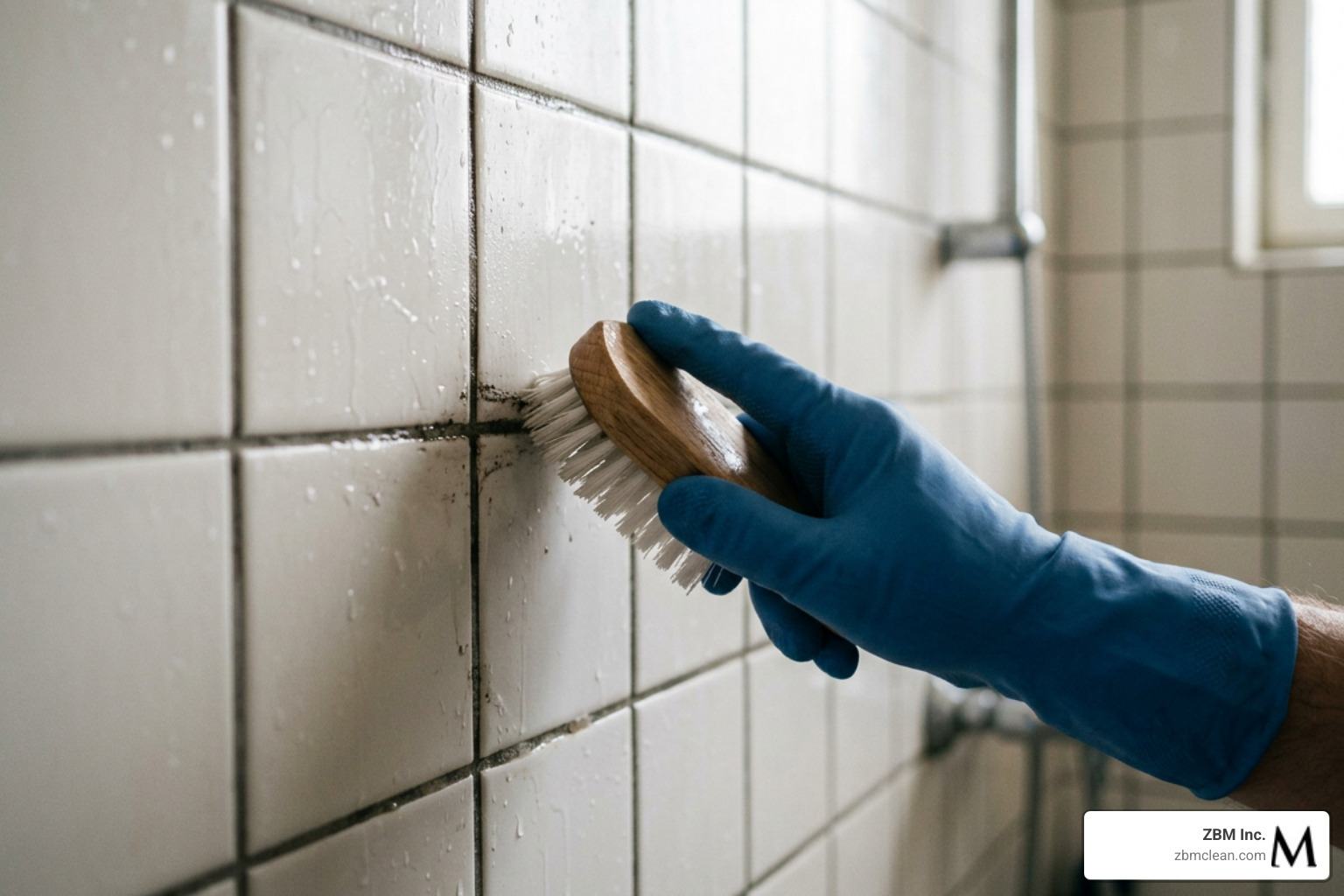
- Grout Lines: Tile grout is porous, meaning it easily absorbs dirty water, soap residue, and body oils. Scrub grout lines monthly with a stiff-bristled brush and a baking soda paste to keep mold from taking root.
Cleaning Specific Bathroom Surfaces and Materials
Different bathroom materials require specific cleaning methods to prevent scratching, dulling, or structural damage.
- Acrylic vs. Porcelain Tubs: Porcelain is tough and can handle abrasive powder cleaners. Acrylic, however, scratches easily. Clean acrylic tubs with a gentle mixture of baking soda and white vinegar, let it stand for 20 minutes, and wipe clean with a soft sponge.
- Glass Shower Doors: Hard water stains are common in Southeastern Wisconsin. To remove cloudy buildup, spray the doors with a 50/50 mix of white vinegar and water, let it sit for 15 minutes, scrub gently with a non-scratch sponge, and squeegee dry.
- Grout Care: Avoid using pure bleach on grout regularly, as it can degrade the grout and sealant over time. Opt for oxygen bleach or hydrogen peroxide instead.
How Often to Clean or Replace Bathroom Items
To prevent your bathroom from becoming a breeding ground for germs, use this replacement and laundering schedule:
- Bath Towels: Wash after 3 to 4 uses. Ensure they dry completely between uses to prevent bacterial growth.
- Bath Rugs and Mats: Wash weekly in hot water to kill bacteria and mold spores that thrive underneath damp rugs.
- Shower Liners: Wash monthly; replace every 6 to 12 months.
- Toothbrushes: Replace every 3 months, or immediately after recovering from an illness like the flu or strep throat.
- Cleaning Sponges and Brushes: Sanitize weekly by soaking them in a bucket of hot water with 1 cup of bleach for 15 minutes. Replace sponges every 2 to 4 weeks.
Creating a Safe and Kid-Friendly Cleaning Routine
Teaching children how to clean the bathroom is a fantastic way to foster independence, build life skills, and share the household workload. However, safety must come first. Many commercial bathroom cleaners contain harsh chemicals like ammonia or bleach that can irritate young lungs and sensitive skin.
To create a safe environment, swap out heavy-duty chemical sprays for kid-friendly, non-toxic alternatives like vinegar, baking soda, and mild dish soap. You can also print out a Teen Bathroom Cleaning Checklist Printable to help older kids stay on track.
- Step-by-step visual guides: Kids can get overwhelmed by broad instructions like “clean the sink.” Break the job down into micro-steps. Laminate a simplified checklist and tape it to the back of the bathroom door, allowing them to cross off tasks with a dry-erase marker as they go.
- Age-appropriate tasks:
- Toddlers (Ages 2-4): Can help put dirty towels in the laundry hamper and restock toilet paper rolls.
- Young Kids (Ages 5-8): Can wipe down countertops with safe, vinegar-based wipes, empty the trash bin, and polish mirrors with a dry microfiber cloth.
- Older Kids & Teens (Ages 9+): Can tackle scrubbing the sink, cleaning the toilet bowl, and vacuuming or mopping the floors.
Frequently Asked Questions About Bathroom Hygiene
How do you prevent mold and mildew from returning?
Mold and mildew require moisture, warmth, and organic matter (like dead skin cells or soap scum) to grow. The most effective way to stop them is to control the humidity in your bathroom. Always run your exhaust fan during your shower and keep it running for 20 minutes afterward. If your bathroom lacks a fan, open a window slightly to encourage cross-ventilation.
Additionally, squeegee your shower walls daily to remove standing water, and repair any leaky faucets or pipes immediately. Keep grout and caulking dry, and consider applying a grout sealer once a year to create a water-resistant barrier.
What is the difference between sanitizing and disinfecting?
While these terms are often used interchangeably, they represent different levels of clean:
- Sanitizing reduces the number of bacteria on a surface to a safe level, as determined by public health standards. It is excellent for daily maintenance on surfaces like countertops.
- Disinfecting uses stronger chemicals to completely destroy or inactivate both bacteria and viruses on hard, non-porous surfaces. Disinfecting requires “contact time” — meaning the chemical must remain wet on the surface (usually for 10 minutes) to work effectively. Disinfecting is crucial for toilets, sinks, and high-touch door handles.
When should you hire professional bathroom cleaning services?
While daily and weekly maintenance keeps your bathroom in good shape, there are times when calling in professionals is the smartest choice. If you are dealing with persistent mold that keeps returning despite deep scrubbing, heavy hard water deposits that have dulled your fixtures, or deeply stained tile grout that refuses to come clean, a professional deep clean is highly recommended.
For commercial properties, hiring a certified team ensures your facilities meet strict health and safety standards. To learn more about what to expect, read our guide on Bathroom Deep Cleaning: How to Hire the Best Professional Services.
Conclusion
A clean bathroom is more than just a pleasant sight — it is a cornerstone of a healthy home and a successful business. By implementing a consistent bathroom hygiene checklist, you protect your family, guests, or customers from harmful pathogens while preserving the value of your property’s fixtures and surfaces.
If maintaining your restrooms feels like an uphill battle, or if you manage a commercial facility that demands professional-grade sanitization, we are here to help. At ZBM Inc., we provide full-service commercial and residential cleaning throughout Dodge County, Jefferson County, Watertown, and Southeast Wisconsin. As a licensed, bonded, insured, and family-owned business, our certified professionals bring approximately 30 years of experience to every job, ensuring your spaces are not just visually clean, but thoroughly sanitized.
Explore our Bathroom Cleaning Checklist resources to download interactive tools, or contact us today to schedule your professional deep cleaning service!