Why Bathroom Deep Cleaning Matters More Than You Think
Bathroom deep cleaning goes far beyond what a weekly wipe-down can achieve — and if you manage a commercial property, the stakes are even higher.
Quick answer: What is bathroom deep cleaning?
| Question | Answer |
|---|---|
| What is it? | A thorough clean targeting bacteria, limescale, mold, and grime in hidden and high-touch areas |
| How often? | Every 4–6 weeks for standard use; every 2–3 weeks for heavy-use or commercial bathrooms |
| How long does it take? | 45–90 minutes DIY; less with a professional team |
| Can you DIY it? | Yes for routine upkeep; professional service recommended for severe buildup, mold, or commercial standards |
| What does it cost (UK)? | £50–£100 for professional bathroom deep cleaning |
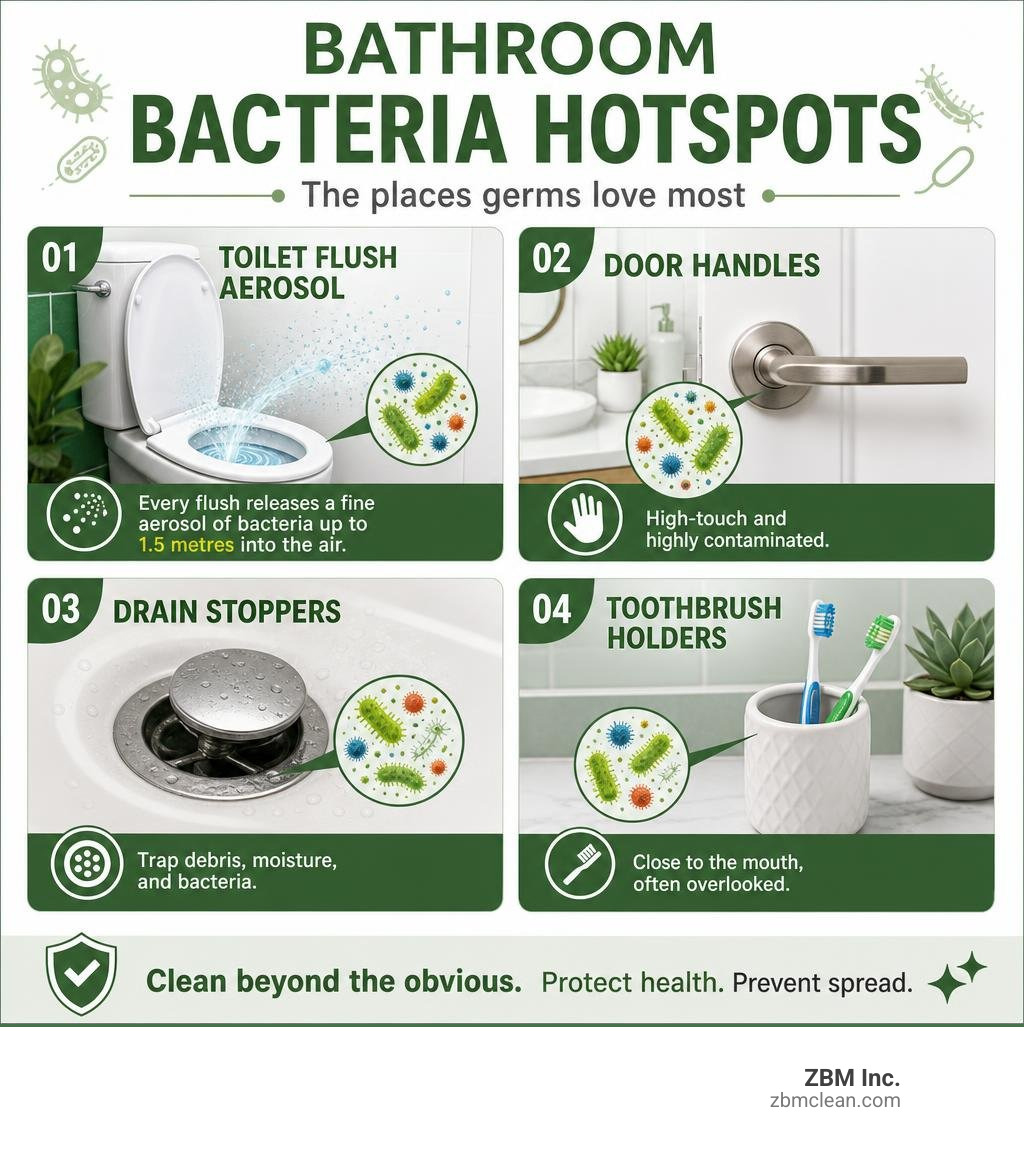
Bathrooms are the most bacteria-dense room in any building. Research puts the average count at 452,000 bacteria per square inch — and some of the worst offenders aren’t the toilet. Door handles, toothbrush holders, and drain stoppers often carry more bacteria than the toilet seat itself. Every flush also sends a fine aerosol of bacteria up to 1.5 metres into the air, landing on surfaces that look clean but aren’t.
For a busy commercial property manager, a visibly tidy bathroom is not the same as a hygienically safe one. Soap scum, limescale, grout discoloration, and hidden mold build up fast — and once they take hold, a standard mop and spray won’t cut it.
I’m Terry Zastrow, owner of ZBM Inc., a certified IICRC firm with approximately 30 years of experience delivering professional bathroom deep cleaning and specialized facility maintenance to commercial and public-sector clients. In that time, I’ve seen what happens when bathrooms are only surface-cleaned — and what it takes to bring them back to a genuinely safe, sanitary standard.
Bathroom deep cleaning terms you need:
What is a True Bathroom Deep Cleaning?
To understand why a simple wipe-down fails to protect your health and property value, we have to look at the difference between surface maintenance and a complete hygienic reset. Regular cleaning is what we do to keep things looking presentable on a weekly basis. It involves wiping down countertops, swishing a brush inside the toilet bowl, cleaning the mirror, and doing a quick mop of the floor.
A true bathroom deep cleaning, however, is a methodical, restorative process. It Targets the microscopic threats and stubborn mineral deposits that accumulate out of sight.
The Invisible Threats: Bacteria and the Aerosol Effect
As mentioned, standard bathroom surfaces are hotbeds for pathogens. When a toilet is flushed with the lid open, it creates a toilet plume—an aerosol effect that shoots microscopic fecal bacteria up to 1.5 meters (nearly 5 feet) in the air. These airborne germs settle on your countertops, faucets, door handles, and even your toothbrushes.
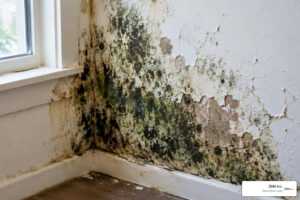
Furthermore, because bathrooms are constantly exposed to moisture, they become breeding grounds for mold and mildew. Grout is highly porous, meaning it acts like a sponge for dirty water, soap scum, and dead skin cells, giving mold spores a permanent place to feast.
The Hard Water Headache in Wisconsin
If you live or operate a business in Southeast Wisconsin—from Dodge County and Jefferson County to the Northwoods around Minocqua—you are likely very familiar with hard water. The groundwater in Watertown, WI, and surrounding areas is packed with dissolved minerals like calcium and magnesium.
When hard water evaporates on your glass shower doors, chrome faucets, and tiled walls, it leaves behind a chalky, white residue known as limescale (calcium carbonate). Over time, this scale builds up, trapping soap scum and creating a rough surface that is incredibly difficult to clean. If left untreated, hard water deposits can restrict showerhead water flow by up to 30% and permanently etch glass and metal fixtures.
To help visualize the difference, here is how we break down regular cleaning versus a true deep clean:
| Cleaning Task | Regular Weekly Clean | True Deep Clean |
|---|---|---|
| Exhaust Vent & Fan | Ignored | Cover removed, vacuumed, washed, and motor dusted |
| Shower & Bathtub | Surface rinse and quick wipe | Dwell-time descaling, intensive grout scrub, mold treatment |
| Toilet | Quick bowl brush and seat wipe | Deep sanitization of tank, base, hinges, and scale removal |
| Faucets & Fixtures | Wiped with all-purpose spray | Aerators unscrewed, soaked in descaler, and polished |
| Grout & Caulk | Ignored or lightly mopped | Hand-scrubbed with specialized oxygenated or peroxide paste |
| Walls & Baseboards | Spot-cleaned if dirty | Dusting high corners, wiping down walls, and scrubbing baseboards |
| Floors | Swept and surface mopped | Vacuumed into tight corners, scrubbed, and sanitized |
If you want to dive deeper into what a comprehensive top-to-bottom clean looks like across your entire property, check out our Ultimate Deep Cleaning Guide 2026.
The Ultimate Step-by-Step Bathroom Deep Cleaning Process
When we perform a bathroom deep cleaning, we don’t just start scrubbing randomly. We follow a strict, contractor-approved workflow: top-to-bottom, dry-to-wet.
Why? Because gravity is a law, not a suggestion. Dust, dirt, and cleaning solutions will inevitably fall to the floor. If you mop the floor first, you will end up cleaning it three more times before you are finished.

Here is the professional battle plan we recommend:
- Declutter and Prepare the Space: Remove all towels, bathmats, wastebaskets, and toiletries from the countertops and shower ledges. If your bathroom is cluttered, you will waste time moving items back and forth. Throw away expired products and place everything else in a temporary bin outside the room.
- Apply “Dwell Time” Products First: This is the golden rule of professional cleaning. Let the chemistry do the heavy lifting. Apply your specialized toilet bowl cleaner, spray your shower descaler, and coat your stained grout lines. Let these products sit (dwell) for 15 to 20 minutes to break down mineral bonds and kill bacteria before you even pick up a scrub brush.
- Dust High Surfaces (Dry Work): While your wet products are dwelling, start at the ceiling. Dust the light fixtures, corners where cobwebs form, and the exhaust fan vent. Removing dry dust first prevents it from mixing with moisture later and turning into a sticky, gray paste.
- Wet Cleaning and Scrubbing: Work your way down. Clean the mirrors, scrub the shower walls, sanitize the toilet exterior, and polish the sink fixtures.
- Wash the Floor (Wet Work – Last): Vacuum the floor thoroughly to catch loose hair and dust, then mop your way out of the bathroom, starting from the furthest corner and moving toward the doorway.
- Ventilate: Keep the exhaust fan running and open windows if possible. Proper ventilation protects you from inhaling chemical fumes and helps dry the surfaces quickly, preventing immediate mold regrowth.
For a detailed roadmap on managing this workflow without getting overwhelmed, you can refer to the guide on How to Deep Clean a Bathroom or read our breakdown on how to Don’t Let Your Bathroom Go Down the Drain With This Checklist.
Step-by-Step Guide to Bathroom Deep Cleaning Specific Areas
To achieve a showroom-quality finish, you must treat each zone of the bathroom with a tailored approach. Here is how to tackle the toughest spots:
1. The Shower and Bathtub
Soap scum is a mixture of body oils, mineral deposits, and soap talc. It acts like a glue on fiberglass, acrylic, and tile surfaces.
- The Technique: Spray an alkaline-based cleaner or a 50/50 mix of white vinegar and dish soap onto the walls. Let it sit for 15 minutes.
- The Scrub: Use a non-scratch scrub pad to break up the softened soap scum. For textured tub floors, a stiff-bristled brush works wonders.
- The Showerhead: If your showerhead is spraying unevenly due to hard water clogging the nozzles, fill a plastic bag with white vinegar, wrap it around the showerhead, and secure it with a rubber band. Let it soak for 30 to 60 minutes to dissolve the calcium deposits.
- The Glass Door: Squeegee the glass, then polish any remaining spots with a microfiber cloth and a dedicated glass cleaner.
2. The Toilet (Inside, Outside, and Behind)
Toilets require strict sanitation to prevent cross-contamination. Always use separate color-coded cloths or paper towels for the toilet, and never use them on other surfaces.
- The Bowl: Force the water level down by pouring a bucket of water quickly into the bowl. This exposes the stubborn water ring. Apply an acidic toilet bowl cleaner under the rim and let it run down. Scrub thoroughly with an angled toilet brush, paying special attention to the jets under the rim.
- The Exterior: Spray a disinfectant cleaner over the flush handle, tank, lid, seat, and base. Let it remain wet for at least 4 to 10 minutes (refer to product instructions for virus-killing times). Wipe dry.
- The Base and Behind: Dust and grime settle heavily behind the toilet. Wipe down the water supply line, the porcelain foot, and the floor bolts.
3. Sinks, Vanities, and Mirrors
- The Mirror: Spray your glass cleaner directly onto a microfiber cloth rather than the mirror itself. This prevents the liquid from seeping behind the silver backing, which causes black edges over time. Wipe in a tight, overlapping Z-pattern.
- The Basin: Use a mild cream cleaner or a paste of baking soda and hydrogen peroxide to scrub away toothpaste spit and soap residue.
- The Faucets: Polish chrome fixtures with a dry microfiber cloth to achieve a streak-free shine. If there is green or white crust around the base of the tap, wrap a vinegar-soaked paper towel around it for 30 minutes, then scrub gently with an old toothbrush.
4. Vents and Exhaust Fans
A dusty exhaust fan cannot pull moisture out of the air, which directly leads to black mold on your bathroom ceiling.
- The Process: Turn off the power breaker to the bathroom. Gently pull down the vent cover, pinch the metal springs, and remove it. Vacuum the interior motor housing and fan blades using a brush attachment. Wash the plastic cover in your sink with warm, soapy water, dry it completely, and snap it back into place.
5. Floors, Baseboards, and Grout
- The Grout: Mix two parts baking soda with one part hydrogen peroxide to form a thick paste. Apply it to discolored grout lines, let it sit for 10 minutes, and scrub with a stiff grout brush.
- The Floor: Vacuum up all loose hair and debris first. Mop the floor using a pH-neutral tile cleaner. Avoid using greasy pine-oil cleaners, as they leave a film that actually attracts dirt.
For more clever strategies on optimizing your workflow, read our article on 7 Clever Ways to Clean Bathroom Effectively.
Essential Tools and Products for Bathroom Deep Cleaning
Using the wrong tools will double your labor and potentially ruin your fixtures. Here is the ultimate, professional-grade arsenal you should gather before you begin:
- Microfiber Cloths (Color-Coded): Microfiber grabs dirt and bacteria far better than cotton rags. Use blue for glass, yellow for sinks/counters, and red/pink exclusively for toilets.
- Squeegee: A daily squeegee pass on your shower glass prevents 90% of soap scum and water spot buildup. It is your best preventative tool.
- Pumice Stone (with a handle): If you have severe, rust-colored hard water rings in a porcelain toilet bowl, a wet pumice stone can gently grind the scale away. Keep the stone wet at all times to avoid scratching the porcelain glaze (never use pumice on fiberglass, plastic, or metal).
- Citric Acid or White Vinegar: Natural acids that excel at breaking down calcium carbonate (limescale) without releasing toxic fumes.
- Baking Soda & Hydrogen Peroxide: A fantastic, non-toxic pairing. Baking soda provides gentle abrasion, while peroxide acts as a mild bleaching agent and sanitizer to brighten tile grout.
- Detail Brushes: Old toothbrushes or specialized grout brushes are essential for cleaning around faucet bases, drain rims, and shower door tracks.
When to Hire a Professional Bathroom Cleaning Service
While DIY cleaning is perfect for weekly maintenance, there are times when a professional team is necessary to protect your property, health, and peace of mind.
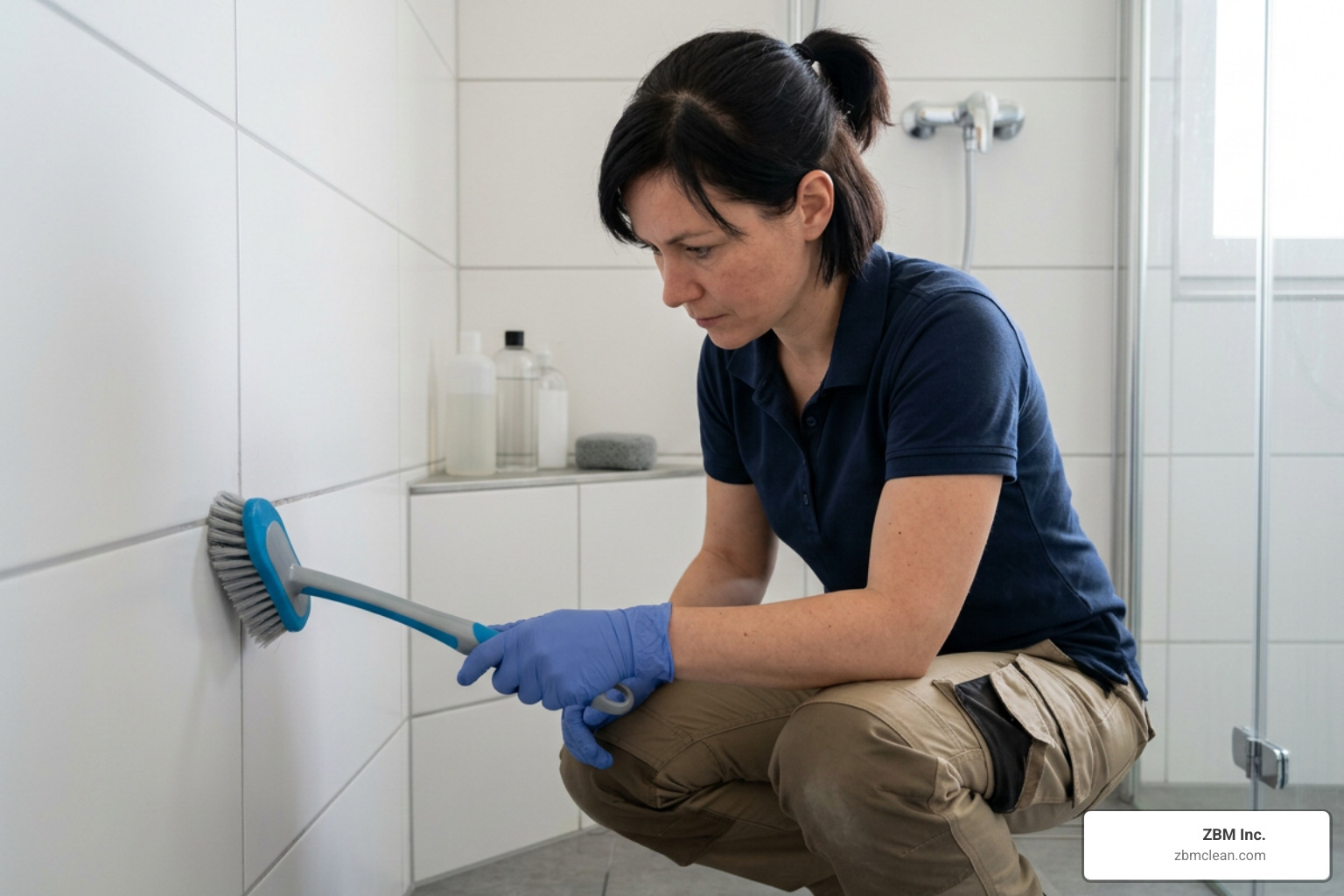
Here is when you should set down the scrub brush and call in the experts:
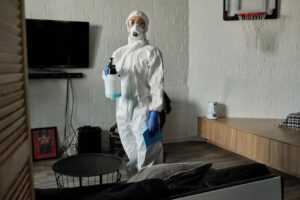
- Severe Mold and Mildew Infestations: Mold is a biohazard. If black mold has penetrated deep into your drywall, ceiling, or beneath your caulking lines, simple scrubbing won’t solve the issue. Professionals have the protective gear and commercial-grade fungicidal treatments to eradicate mold at the root.
- Extensive Hard Water Damage: If years of hard water have left your glass doors completely cloudy and your fixtures encrusted with thick, green scale, standard household cleaners won’t work. We utilize specialized acidic restoration agents that dissolve heavy mineral buildup without damaging the underlying chrome or porcelain.
- End of Tenancy or Move-In/Move-Out Cleans: If you are moving out of a rental in Watertown, Lake Mills, or Jefferson, WI, a professionally deep-cleaned bathroom is often the key to securing your full security deposit.
- Vacation Rentals and Cabins: If you own a cabin or rental property in the Northwoods WI (such as Minocqua WI), keeping your bathrooms in pristine, guest-ready condition is vital for high reviews. Professional cleaning ensures sanitization standards that protect your guests and your reputation.
- Time and Physical Constraints: Let’s face it: a proper, deep-down bathroom restoration takes hours of scrubbing on your hands and knees. If you have a busy schedule or physical limitations, outsourcing this chore is a massive relief.
When hiring a service, make sure they adhere to professional health guidelines, such as the ones outlined in the CDC: Clean and Disinfect Your Home resource. If your bathroom has reached a point where you feel it is beyond saving, read our guide on Bringing Your Bathroom Back From the Brink.
If you are looking for local, trusted support in Southeast Wisconsin, you can also explore local directories:
- Find Trusted House Cleaning Services in Jefferson, WI – Care.com
- Find Trusted House Cleaning Services in Watertown, WI – Care.com
- Find Trusted House Cleaning Services in Lake Mills, WI – Care.com
Frequently Asked Questions About Bathroom Deep Cleaning
We hear many of the same questions from homeowners and commercial property managers alike. Here is our expert advice on the most common concerns.
How often should you deep clean a bathroom?
For a standard household, we recommend a thorough bathroom deep cleaning once every 4 to 6 weeks. However, this frequency should be adjusted based on several key factors:
- Household Size: A busy family bathroom used by four or five people will need a deep clean every 2 to 3 weeks.
- Water Hardness: If you live in an area with high mineral content (like Dodge or Jefferson County), you may need to descale your fixtures every 3 weeks to prevent permanent damage.
- Allergy Sufferers: If anyone in your home suffers from asthma or mold allergies, monthly deep cleans of the exhaust fan and grout lines are critical to maintaining safe indoor air quality.
What are the most common bathroom deep cleaning mistakes to avoid?
Even the most well-meaning cleaners can make errors that damage their homes or put their health at risk:
- Mixing Cleaning Chemicals: Never mix bleach with ammonia, vinegar, or acidic descalers. Mixing bleach and acid creates toxic chlorine gas, which can cause severe respiratory damage within seconds. Always use one product at a time and rinse the surface thoroughly before applying another.
- Skipping Ventilation: Failing to run the exhaust fan or open a window during and after cleaning traps chemical fumes inside, which can irritate your eyes, throat, and lungs.
- Cross-Contamination: Using the same sponge or cloth to clean the toilet and then wiping down the sink or vanity. This spreads dangerous fecal coliform bacteria directly to the areas where you wash your hands and brush your teeth.
- Rushing the Dwell Time: Spraying a disinfectant or descaler and immediately wiping it off. Most disinfectants require at least 4 to 10 minutes of wet contact time to actually kill viruses and bacteria. Let the product do its job!
How do you maintain bathroom hygiene between deep cleans?
You don’t have to spend hours cleaning every day to keep your bathroom fresh. Incorporating these quick habits into your daily routine will prevent grime from building up:
- The Daily Squeegee: Spend 30 seconds squeegeeing your shower glass and tile walls after your morning shower. This simple action prevents 90% of soap scum and limescale buildup.
- Run the Exhaust Fan: Leave your bathroom exhaust fan running for at least 20 minutes after every shower to pull humid air out of the room, preventing mold and mildew from gaining a foothold.
- Towel Rotation: Hang towels spread out so they can dry completely. Wash your bath towels in warm or hot water after every 3 uses to prevent bacterial growth.
- Daily Wipe-Down: Keep a small stack of clean microfiber cloths under your sink. Spend 60 seconds wiping down the faucet and sink basin after brushing your teeth to prevent toothpaste and water spots from hardening.
For more helpful advice on preserving your bathroom’s hygiene, read our article on Restoring the Most Important Room in the House.
Conclusion
A clean bathroom is more than just a visual luxury—it is a cornerstone of your family’s health or your business’s professional reputation. While regular maintenance keeps things looking orderly, a routine bathroom deep cleaning is the only way to eliminate hidden pathogens, halt mold growth, and protect your expensive fixtures from hard water damage.
If you are located in Watertown, WI, Dodge County, Jefferson County, or the surrounding Southeast Wisconsin and Northwoods regions, you don’t have to tackle this exhausting chore alone.
At ZBM Inc., we are a licensed, bonded, insured, and family-owned cleaning service. Our certified professionals possess the training, safety gear, and commercial-grade tools required to handle everything from routine residential deep cleans to complex commercial sanitization, disaster recovery, and biohazard cleanups. We take pride in delivering professional standards and absolute peace of mind to our neighbors.
Let us handle the hard work so you can spend your time on what matters most. Contact us today to schedule your professional bathroom deep clean!
Ready for a spotless bathroom? Visit ZBM Inc. to request a free quote or schedule your service today.