When Your Restroom Needs More Than a Mop
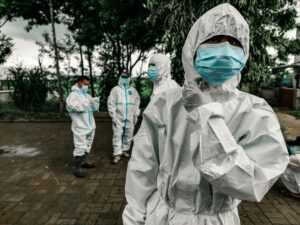
A biohazard certified restroom clean is a specialized decontamination service performed by trained professionals who use EPA-registered disinfectants, industrial-grade PPE, and regulated waste disposal to safely eliminate infectious biological hazards — such as blood, sewage, or vomit — from restroom environments.
If you need a quick answer, here’s when to call a certified biohazard cleaning service:
- Blood, feces, vomit, or other bodily fluids are present beyond a minor spill
- A sewage backup has flooded or contaminated the restroom
- A needle or sharp object has been found or discarded in the space
- A restroom has been left unsanitary for an extended period
- Staff have flagged the mess as unsafe or refused to clean it
- Your facility is in a regulated industry (healthcare, food service, schools)
If any of the above apply, stop. Close the restroom. Call a certified professional.
Here’s the reality: restrooms are the highest-risk rooms in any commercial property. Bodily fluids like blood, urine, and feces carry pathogens — including Hepatitis B, Hepatitis C, HIV, and C. difficile — that can survive on hard surfaces for minutes, hours, or even months. C. difficile spores, for example, can persist on environmental surfaces for months and require specific EPA-registered disinfectants to eliminate.
Standard janitorial cleaning removes visible dirt. It does not eliminate invisible pathogens hiding in grout lines, under toilet rims, or soaked into porous caulking.
That gap — between “looks clean” and “is safe” — is exactly where liability lives for commercial property managers.
This guide walks you through everything you need to know: what biohazard restroom cleaning actually involves, when you legally need it, and how to make the right call fast.
Understanding the Need for a Biohazard Certified Restroom Clean
When we talk about a biohazard certified restroom clean, we aren’t just talking about a “gross mess.” We are talking about biological materials that pose a documented threat to human health. In facility management, these materials are often referred to as Other Potentially Infectious Materials (OPIM).
In places like Watertown, WI, or Lake Mills, businesses have a “duty of care” to provide a safe environment for employees and customers. If a restroom is contaminated with blood or sewage, it is no longer a simple maintenance issue; it is a public health hazard. This is where What is Biohazard Cleaning? An Essential Guide becomes vital. It explains that unlike standard cleaning, biohazard remediation focuses on total pathogen eradication and legal compliance.
Using a professional service like our Biohazard Cleanup Services Watertown WI ensures that your business stays on the right side of OSHA regulations. Failing to handle infectious waste properly doesn’t just risk a fine; it risks cross-contamination that could spread through your entire HVAC system or across high-touch surfaces like door handles and light switches.
Common Restroom Biohazards and Health Risks
Restrooms are breeding grounds for specific pathogens because of the moisture and high frequency of use. Common scenarios we encounter in Southeastern WI include:
- Sewage Backups: This is often classified as “Category 3” or black water. It contains a cocktail of bacteria, viruses, and parasites.
- Vomit and Fecal Matter: These are primary vectors for Norovirus and C. difficile. C. diff spores are notoriously difficult to kill and can live on a toilet seat for months if not treated with EPA List K disinfectants.
- Blood Spills: Whether from a slip-and-fall accident or a medical emergency, blood is the most significant risk. Pathogens like Hepatitis B (HBV) are incredibly resilient; HBV can remain infectious in dried blood on a surface for at least seven days.
- Needles and Sharps: Found in public restrooms, these pose a dual threat of physical injury and direct bloodborne pathogen transmission.
For a deeper dive into these risks, check out our guide on Bio Hazard Remediation Ensuring Safety After Contamination.
Why Standard Janitorial Services Aren’t Enough for a Biohazard Certified Restroom Clean
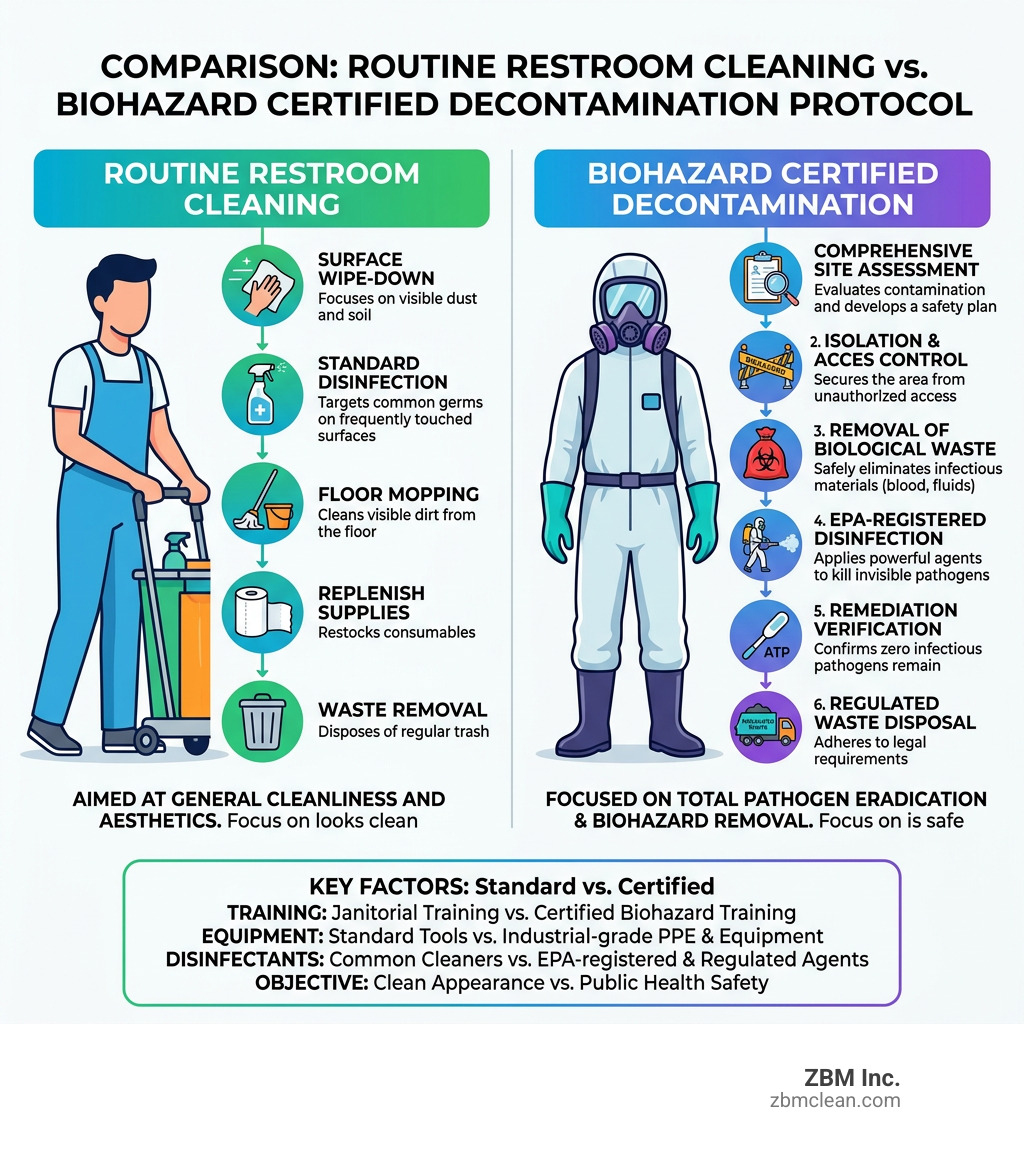
We love janitors—they are the backbone of facility health. However, most janitorial staff are trained for sanitization, not remediation. There is a massive difference between wiping down a counter and performing a biohazard certified restroom clean.
Standard cleaning often involves a “spray and wipe” method. For a biohazard, this is dangerous. Most EPA-registered disinfectants require a “dwell time” of 1 to 10 minutes. This means the surface must stay visibly wet for that entire duration to actually kill the pathogens. Professional services understand these nuances. Furthermore, standard mops and rags can actually spread contamination if not handled with strict color-coding and disposal protocols.
By hiring professional restroom cleaning services, you gain access to specialized equipment like HEPA-filtered vacuums and air scrubbers that capture 99.97% of particles down to 0.3 microns, ensuring that even airborne pathogens are neutralized.
The Professional Process for a Biohazard Certified Restroom Clean
When our team arrives at a site in Jefferson County or Dodge County, we follow a rigorous, multi-stage protocol. We don’t just walk in with a bucket and a brush. We begin with a site assessment to categorize the risk and establish “zones.”
- The Hot Zone: The immediate area of contamination.
- The Warm Zone: The transition area where we don our PPE.
- The Cold Zone: The safe area where no contamination exists.
This zoning prevents us from tracking pathogens from the restroom into your lobby or office space. This is a core part of what biohazard cleaning services include to ensure total safety.
Step-by-Step Decontamination Protocol
Our process is designed to be exhaustive. We don’t guess; we verify.
- PPE Donning: We suit up in Tyvek suits, double nitrile gloves, and respirators before entering the affected area.
- Fluid Solidification: For large spills (like vomit or sewage), we use hardening powders to turn liquids into solids, making them easier to remove without splashing.
- Mechanical Cleaning: We remove all visible organic matter. You cannot disinfect a surface that is still covered in dirt or fluids.
- HEPA Filtration: We use air scrubbers to ensure that any pathogens kicked up during the cleaning process are scrubbed from the air.
- Disinfection: We apply hospital-grade disinfectants, ensuring they meet the required dwell time.
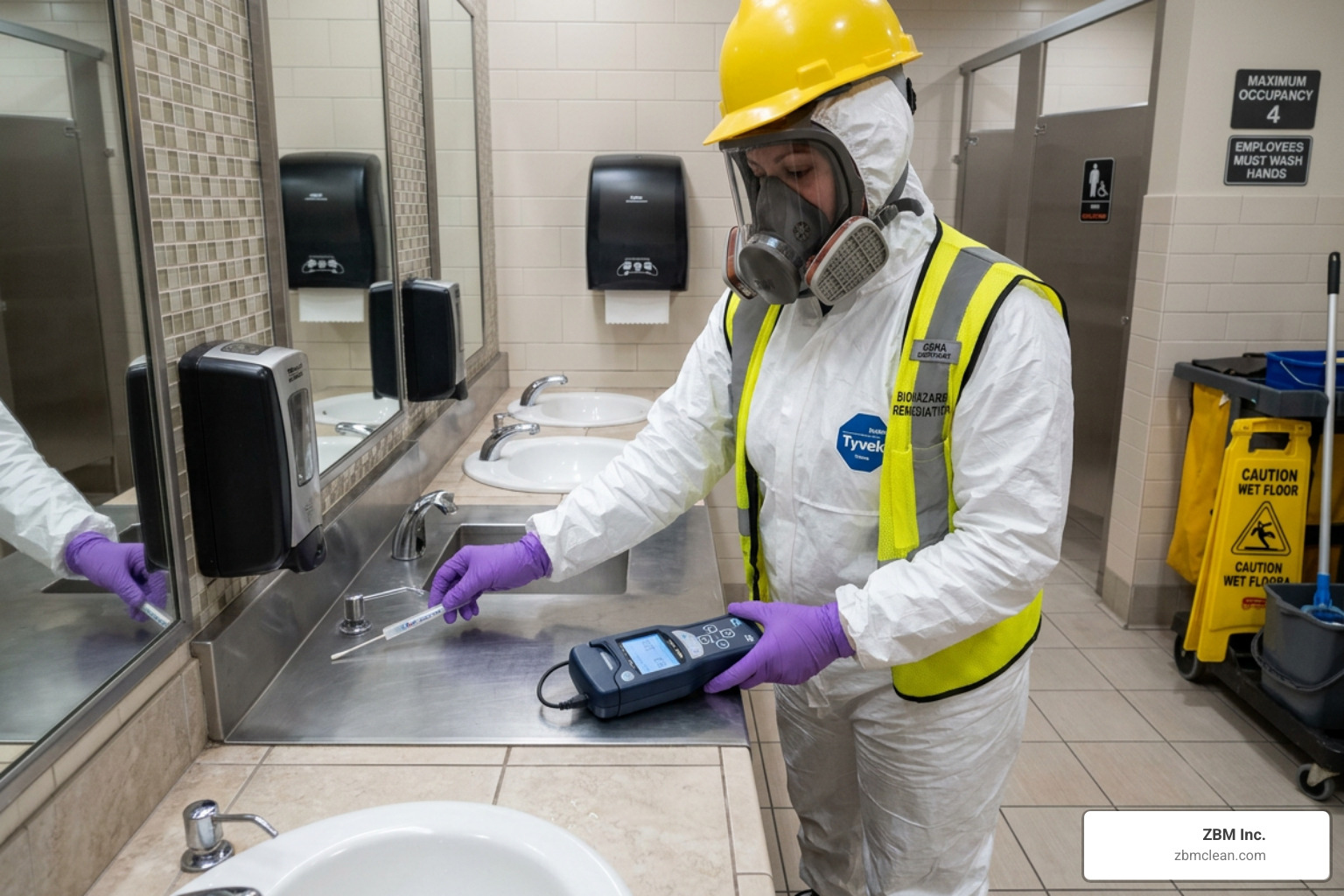
- Verification: This is the most important step. We use ATP (Adenosine Triphosphate) testing. ATP is a molecule found in all living cells. By swabbing a surface and measuring the “Relative Light Units” (RLU), we can prove scientifically that the surface is clean. In many retail cases, we see RLU readings drop from over 500 (dangerously contaminated) to under 80 (hospital-grade clean).
For those who want to see the standard we hold ourselves to, you can view the ultimate bathroom cleaning checklist we use as a baseline.
Essential Tools and PPE for a Biohazard Certified Restroom Clean
You won’t find these tools in a standard cleaning closet. To perform a biohazard certified restroom clean safely, we utilize:
- Tyvek Suits: Disposable, liquid-resistant coveralls that protect our skin and clothing.
- Full-Face Respirators: These protect against splashes and aerosolized pathogens (especially important during sewage cleanups).
- Sharps Containers: For the safe disposal of needles or broken glass contaminated with blood.
- Negative Air Machines: These create a vacuum effect, pulling air through HEPA filters so that contaminated air never leaves the restroom.
- Red Biohazard Bags: All waste is double-bagged and sealed with a “ponytail knot” to prevent leaks during transport to a licensed medical waste facility.
Our commercial restroom cleaning service in Wisconsin is fully equipped with this industrial-grade gear to handle any emergency.
Regulatory Compliance and Business Liability
This is the part that keeps business owners up at night: the legal side. OSHA’s Bloodborne Pathogen Standard (29 CFR 1910.1030) is very clear. If an employee has a “reasonably anticipated” risk of exposure to blood or OPIM, the employer must provide annual training, a written exposure control plan, and the Hepatitis B vaccine at no cost to the employee.
If you ask a retail associate to clean up a “poopy” toilet or a vomit spill without this training and equipment, you are likely in violation of federal law. This is one of the biggest benefits of hiring professional biohazard cleanup companies—we take the liability off your shoulders.
Comparison: In-House Staff vs. Certified Professionals
| Risk Factor | In-House Staff (Untrained) | ZBM Inc. Certified Professionals |
|---|---|---|
| Health Risk | High (Potential for infection) | Low (Controlled with PPE/Training) |
| OSHA Compliance | Likely Non-Compliant | Fully Compliant |
| Liability | Employer assumes all risk | ZBM Inc. carries insurance & liability |
| Verification | Visual “looks clean” check | ATP Testing & Data Verification |
| Waste Disposal | Often improper (Trash can) | Regulated Medical Waste Manifests |
When we finish a job, we provide a “Certificate of Completion” and medical waste manifests. This documentation is your “get out of jail free” card if an inspector ever asks how a specific incident was handled.
Frequently Asked Questions about Biohazard Restroom Cleaning
Is it legal for untrained employees to clean up blood or vomit?
Technically, OSHA doesn’t forbid an employee from cleaning, but it does require that if they do, they must be part of a formal Bloodborne Pathogen program. This includes having a vaccination offer on file within 10 days of starting work. Most small businesses and retail shops in the Northwoods or Southeast Wisconsin don’t have these programs in place. Forcing an employee to clean a biohazard without these protections can lead to massive fines and “refusal to work” claims. Check our facility disinfection tips for WI for more on staying compliant.
How much does a biohazard restroom cleanup cost?
Pricing isn’t one-size-fits-all. Several factors influence the cost:
- Volume of Waste: A small blood spot is different from a flooded sewage backup.
- Type of Contaminant: C. diff or Norovirus requires more expensive, specialized chemicals.
- Emergency Response: 24/7 emergency calls typically carry a higher mobilization fee.
- Labor: The number of technicians required to safely contain and clean the area.
While it may seem cheaper to do it in-house, the cost of one OSHA fine or one workers’ comp claim from an infection far outweighs the cost of a professional biohazard certified restroom clean. For preventative measures, see our commercial restroom cleaning tips.
How do I know the restroom is safe to reuse after an incident?
We don’t just say “it’s good.” We prove it. We use a combination of:
- Visual Inspection: Ensuring all organic matter and staining is gone.
- ATP Monitoring: Using RLU readings to ensure the surface is biologically clean.
- Odor Check: Ensuring that bacteria-causing odors have been neutralized at the source, not just masked with perfume.
We recommend using a restroom sanitation checklist for daily maintenance, but for biohazards, our clearance documentation is the final word on safety.
Conclusion
At ZBM Inc., we understand that a biohazard incident is stressful. Whether you are managing a school in Watertown, a hotel in Minocqua, or a retail store in Lake Mills, your priority is getting back to business safely. We are a family-owned, licensed, and bonded team of experts dedicated to protecting our Wisconsin neighbors.
Don’t let a mess turn into a liability. From sewage backups to trauma scene cleanup, we have the tools, the training, and the certifications to ensure your restrooms are more than just “clean”—they are safe.
Ready to secure your facility? Contact us today for Professional Biohazard and Commercial Cleaning Services and let us handle the mess so you don’t have to panic.