Why Black Mold Keeps Coming Back — And What Actually Stops It for Good
What kills black mold permanently isn’t just one product — it’s a combination of the right treatment and eliminating the moisture source feeding it.
Here’s a quick answer:
| Method | Effectiveness | Works on Porous Surfaces? |
|---|---|---|
| Fix moisture source | Essential — without this, nothing works permanently | Yes |
| White vinegar (undiluted) | ~82% of mold species | Yes |
| 3% hydrogen peroxide | ~85% of mold species | Partial |
| Tea tree oil solution | ~90% of mold species | Yes |
| Professional biocide treatment | 99%+ elimination | Yes |
The single most important step: Find and fix the water source. No product — no matter how strong — will stop mold from coming back if the moisture problem remains.
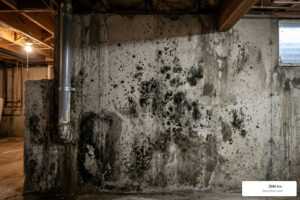
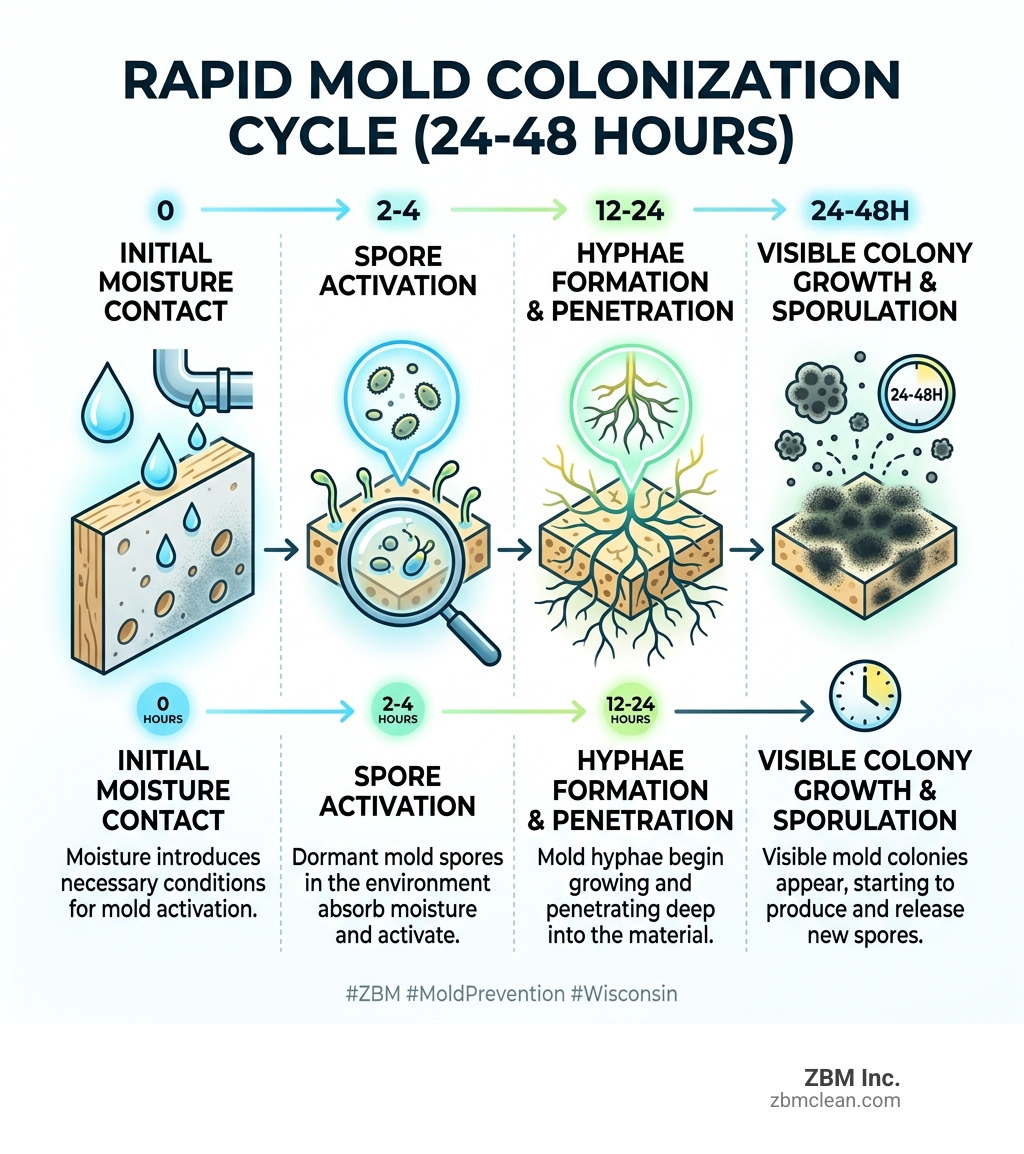
Black mold (Stachybotrys chartarum) is more than an eyesore. It produces toxic compounds called mycotoxins and can trigger serious respiratory issues. Worse, it can establish a new colony on a damp surface in as little as 24 to 48 hours.
Most homeowners and property managers treat the visible mold and call it done. The mold comes back — sometimes within days. That’s because surface cleaning alone doesn’t reach the root system buried inside porous materials like drywall and wood.
Permanent removal means killing the mold, physically removing it, and cutting off the conditions that let it grow in the first place.
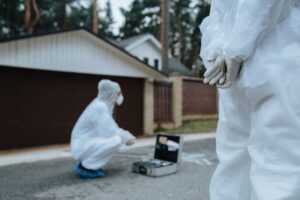
I’m Terry Zastrow, owner of ZBM Inc., a certified IICRC firm with nearly 30 years of experience in mold remediation and biohazard cleanup — and understanding what kills black mold permanently is something our team deals with on commercial and residential properties throughout Wisconsin. In the sections below, I’ll walk you through exactly what works, what doesn’t, and when you need a professional.
What kills black mold permanently terms to know:
Understanding What Kills Black Mold Permanently
To understand what kills black mold permanently, we first have to look at how mold survives. Mold isn’t like a stain that you can just wipe away. It is a living organism with a “root” system called mycelium. If you only clean the surface, those roots remain deep inside the material, waiting for the next humid day to sprout again.
According to the US EPA, the absolute key to mold control is moisture control. You can use the strongest chemicals in the world, but if you have a leaky pipe in your Watertown basement or high humidity in your Lake Mills bathroom, the mold spores — which are always floating in the air — will simply land and start a new family.
| Solution | Mold Kill Rate | Surface Compatibility |
|---|---|---|
| Distilled White Vinegar | 82% | Porous & Non-porous |
| 3% Hydrogen Peroxide | 85% | Most surfaces (test first) |
| Tea Tree Oil | 90% | Best natural option |
| Isopropyl Alcohol (70%) | Instant kill | Non-porous only |
| Professional Biocides | 99%+ | All surfaces |
True permanent elimination involves three pillars:
- Source Control: Stopping the water.
- Penetration: Using a solution that reaches the roots.
- Physical Removal: Scrubbing or removing the material entirely.
Why Bleach Fails to Kill Black Mold Permanently
We see it all the time in Southeastern WI: a homeowner finds mold and reaches for the bleach. It seems logical. The mold turns white and disappears instantly. However, this is a “phantom fix.”
Bleach (sodium hypochlorite) is mostly water. On non-porous surfaces like tile or glass, it works okay. But on porous materials like drywall or wood, the chlorine molecule is too large to penetrate the surface. It stays on top while the water in the bleach solution soaks deep into the material. You are effectively feeding the mold roots a drink of water while only “bleaching” the color out of the top layer.
Furthermore, mixing bleach with other cleaners (like ammonia or even vinegar) can create lethal chlorine gas. For a safer and more effective approach, check out these tips on what really kills mold in the home.
The Role of Humidity in Killing Black Mold Permanently
In our Wisconsin climate, especially in the Northwoods or near the lakes, humidity is often the culprit. Mold thrives when relative humidity (RH) levels climb above 60%. At these levels, mold can establish growth within 24 to 48 hours without a single liquid leak.
To kill black mold’s chances of returning, you must use a hygrometer to monitor your air. The Wisconsin Department of Health recommends keeping indoor humidity between 30% and 50%. If your basement smells musty, a high-capacity dehumidifier isn’t a luxury; it’s a mold-killing necessity.
Top Natural and Chemical Solutions for Mold Elimination
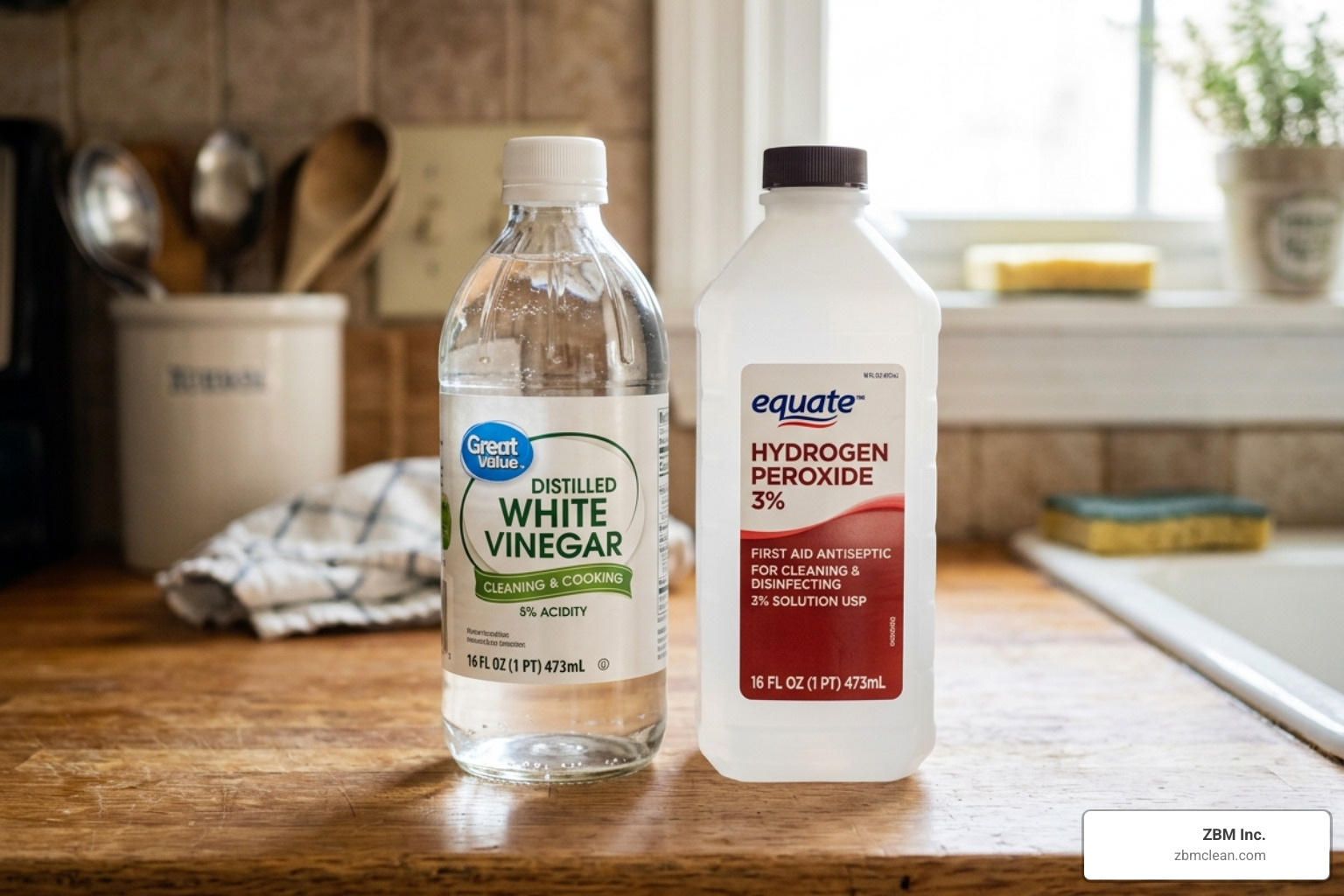
If you are tackling a small area (less than 10 square feet), you have several effective options that actually reach the roots.
- Distilled White Vinegar: This is our favorite DIY recommendation. Its acetic acid content is mild enough for most surfaces but strong enough to kill about 82% of mold species. It penetrates porous materials to attack the membrane.
- 3% Hydrogen Peroxide: An excellent antifungal and antibacterial agent. It’s effective on both porous and non-porous surfaces. It works by releasing oxygen that oxidizes the mold.
- Tea Tree Oil: While more expensive, this is the powerhouse of natural remedies. A solution of 1 teaspoon per cup of water has a 90% effectiveness rate. Plus, it’s an antiseptic that helps prevent new spores from landing.
- 70% Isopropyl Alcohol: This kills mold on contact within seconds on non-porous surfaces, but it evaporates too quickly to be effective on wood or drywall.
- Borax and Baking Soda: These are great for scrubbing and deodorizing. Baking soda is particularly useful because it absorbs the moisture that mold loves.
For those dealing with more severe or toxic varieties, understanding the 5 types of toxic mold is crucial for choosing the right safety protocols.
High-Heat and UV-C Light Treatments
Sometimes, chemicals aren’t the answer. Heat is a devastating mold killer. Steam treatment at 212°F provides an instant kill for all mold species. Even sustained heat at 140°F for 30 minutes will kill most household molds.
Professional remediation teams also use UV-C light systems. Operating at a specific wavelength of 253.7 nanometers, these lights destroy the DNA of mold spores, preventing them from reproducing. When combined with HEPA air scrubbing, which captures 99.97% of airborne spores as small as 0.3 microns, you can effectively “clean” the air itself.
Step-by-Step Guide to Safe DIY Mold Removal
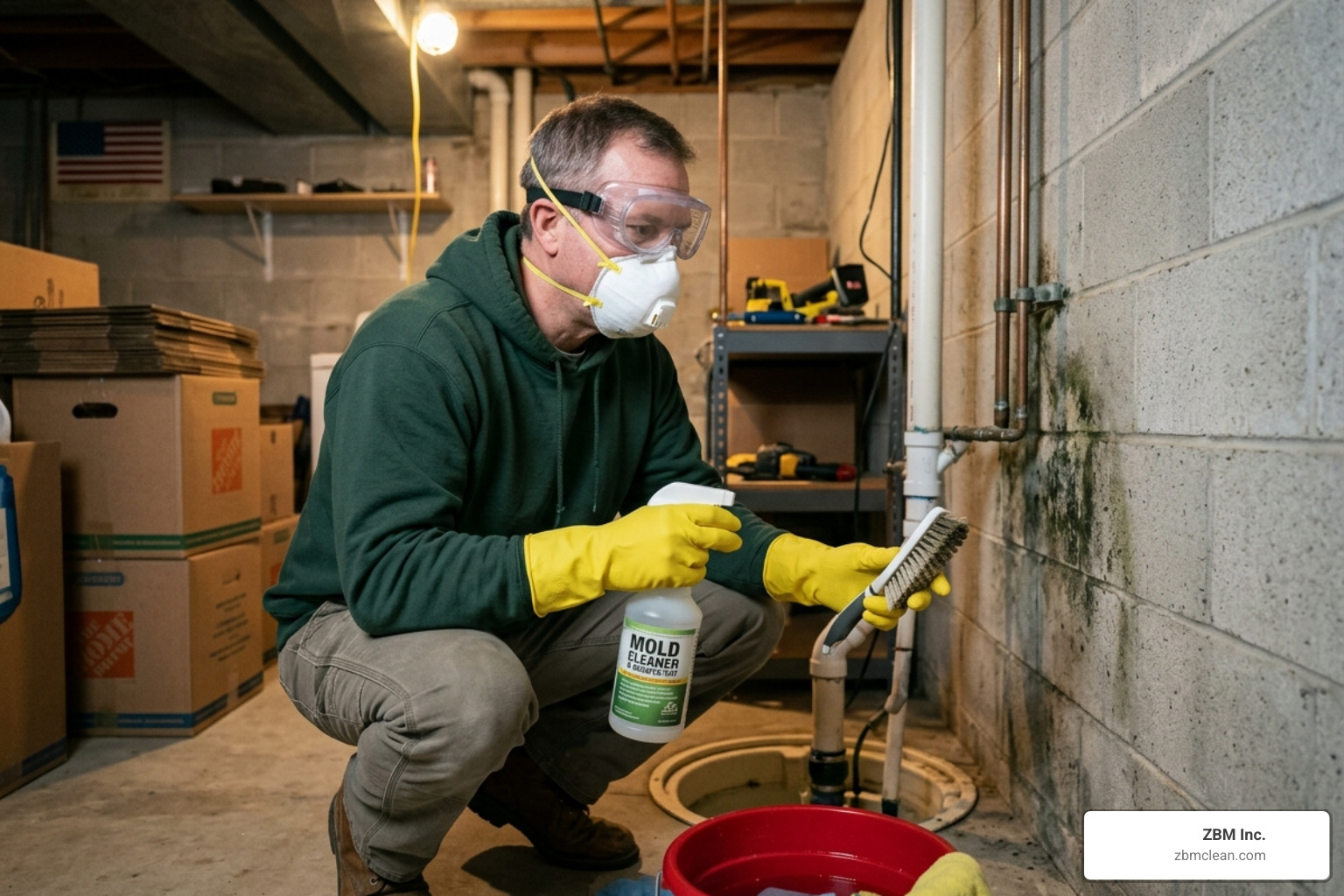
If you’ve decided to handle the cleanup yourself, safety is paramount. You don’t want to kill the mold only to breathe in the spores you’ve disturbed.
- Protect Yourself: Wear an N95 or P100 respirator, long sleeves, safety goggles, and rubber gloves.
- Contain the Area: Turn off your HVAC system. Seal doorways with plastic sheeting and painter’s tape to prevent spores from traveling to other rooms in your Jefferson County home.
- Mist the Mold: Lightly spray the dry mold with water. This prevents spores from becoming airborne when you start scrubbing.
- Apply the Solution: Spray your chosen killer (vinegar or peroxide). Let it sit for at least 30 to 60 minutes.
- Scrub: Use a stiff-bristled brush to break up the mold.
- Dry Rapidly: This is the “permanent” part. Use fans and dehumidifiers to ensure the area is bone-dry within 24 hours.
- Clean the Air: Leave an exhaust fan running in a window for a full day after you finish to pull out any lingering spores.
For more detailed steps on specific products, The Home Depot offers a great guide on common household applications.
Treating Different Surfaces: Wood, Drywall, and Concrete
Not all surfaces are created equal when it comes to what kills black mold permanently.
- Wood: If the mold is on raw wood, you may need to sand the surface after treatment to reach deep-seated hyphae. For finished wood, a vinegar solution is usually enough. You can find more specific advice in our guide to furniture mold remediation.
- Drywall: This is the trickiest. If mold has grown through the drywall (visible on both sides or the drywall feels soft), it cannot be cleaned. It must be cut out and replaced. If it’s just on the surface of painted drywall, use a peroxide/baking soda paste.
- Concrete: Concrete is porous. We recommend using a TSP (trisodium phosphate) solution and a very stiff brush, followed by a concrete sealer once the area is completely dry.
When to Call a Professional for Remediation
While DIY is great for a small patch in the shower, some situations are dangerous if handled without industrial equipment.
The 10 Square Feet Rule: Both the EPA and Health Canada suggest that if the mold covers more than 10 square feet (roughly a 3ft x 3ft patch), you need professional help. At this size, the volume of spores released during cleaning can overwhelm standard home ventilation.
You should also call a pro if:
- The mold is inside your HVAC or ductwork.
- The mold was caused by sewage or contaminated floodwater.
- You or your family members have asthma, allergies, or compromised immune systems.
- The mold keeps returning despite your best DIY efforts.
- The mold is hidden behind a wall or under floorboards.
Professional remediation offers a 99%+ complete elimination rate because we use EPA-registered antimicrobial solutions and industrial-strength air scrubbers that aren’t available at the local hardware store. Learn more about what to expect from professional experts before you book a service.
Frequently Asked Questions about Black Mold
Does vinegar kill black mold spores?
Yes, but it requires patience. Undiluted white distilled vinegar (which contains about 5-6% acetic acid) kills approximately 82% of mold species. The key is to let it sit for at least 60 minutes before scrubbing or wiping. It is one of the few household items that can penetrate porous surfaces to reach the spores at the root level.
How long does it take for black mold to return?
If the moisture source isn’t fixed, mold can start regrowing in as little as 24 to 48 hours. Even if you kill every visible spore, new spores are constantly entering your home through doors, windows, and on your clothes. If they find a damp spot with a food source (like drywall or wood), they will activate immediately.
Is dead black mold still toxic?
Yes. This is a common misconception. Dead mold spores can still contain mycotoxins and allergens. If you simply spray mold and leave it there, you are still at risk for respiratory irritation and allergic reactions. Permanent removal must involve physical extraction — either by scrubbing and HEPA vacuuming or by removing the contaminated material entirely.
Conclusion
At ZBM Inc., we know that a mold-free home is a healthy home. Whether you are in Watertown, Minocqua, or anywhere in Southeast Wisconsin, the “secret” to what kills black mold permanently isn’t found in a single bottle of cleaner. It’s found in a commitment to moisture management, proper safety gear, and the right cleaning agents that reach the roots.
We are a family-owned, licensed, and bonded team of certified professionals ready to help you reclaim your space. From standard office cleaning to complex biohazard and toxic mold cleanup, we have the tools to ensure the mold stays gone for good. Don’t leave your health to chance — if the job is too big to handle, give us a call.