What It Really Means to Clean Crime Scenes — And Why It Matters
To clean crime scenes safely, you need certified professionals — not standard janitorial staff. Here’s a quick breakdown:
| Step | What It Involves |
|---|---|
| Wait for release | Cleanup cannot begin until law enforcement clears the scene |
| Call a certified company | Look for OSHA, IICRC, or ABRA-certified technicians |
| Biohazard removal | Blood, bodily fluids, and tissue are removed using full PPE |
| Decontamination | EPA-registered disinfectants eliminate pathogens like HIV and Hepatitis B/C |
| Verification | Testing confirms the area is safe before anyone re-enters |
| Insurance filing | Homeowners, renters, or commercial insurance often covers the cost |
When investigators finish collecting evidence and walk out the door, many people assume the hard part is over. It isn’t.
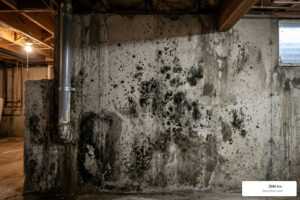
What’s left behind — blood, bodily fluids, chemical residues, fingerprint powders — poses serious health risks. These aren’t problems a mop and bucket can solve. Human blood can carry HIV, Hepatitis B, and Hepatitis C. Contamination can seep invisibly into flooring, walls, and furniture long after a scene looks clean to the naked eye.
This guide walks through everything you need to know about professional crime scene cleanup: who’s responsible, what the process involves, what it costs, and how to protect yourself, your property, and the people around you.
I’m Terry Zastrow, owner of ZBM, Inc. — an IICRC-certified firm with approximately 30 years of operational experience helping state agencies, municipalities, and private clients safely clean crime scenes and other biohazard situations. My team holds multiple technician and master technician certifications, including annual HAZWOPER training, so you can trust that what follows is grounded in real-world field experience.
Must-know clean crime scenes terms:
What Is Biohazard Remediation and When Do You Need to Clean Crime Scenes?
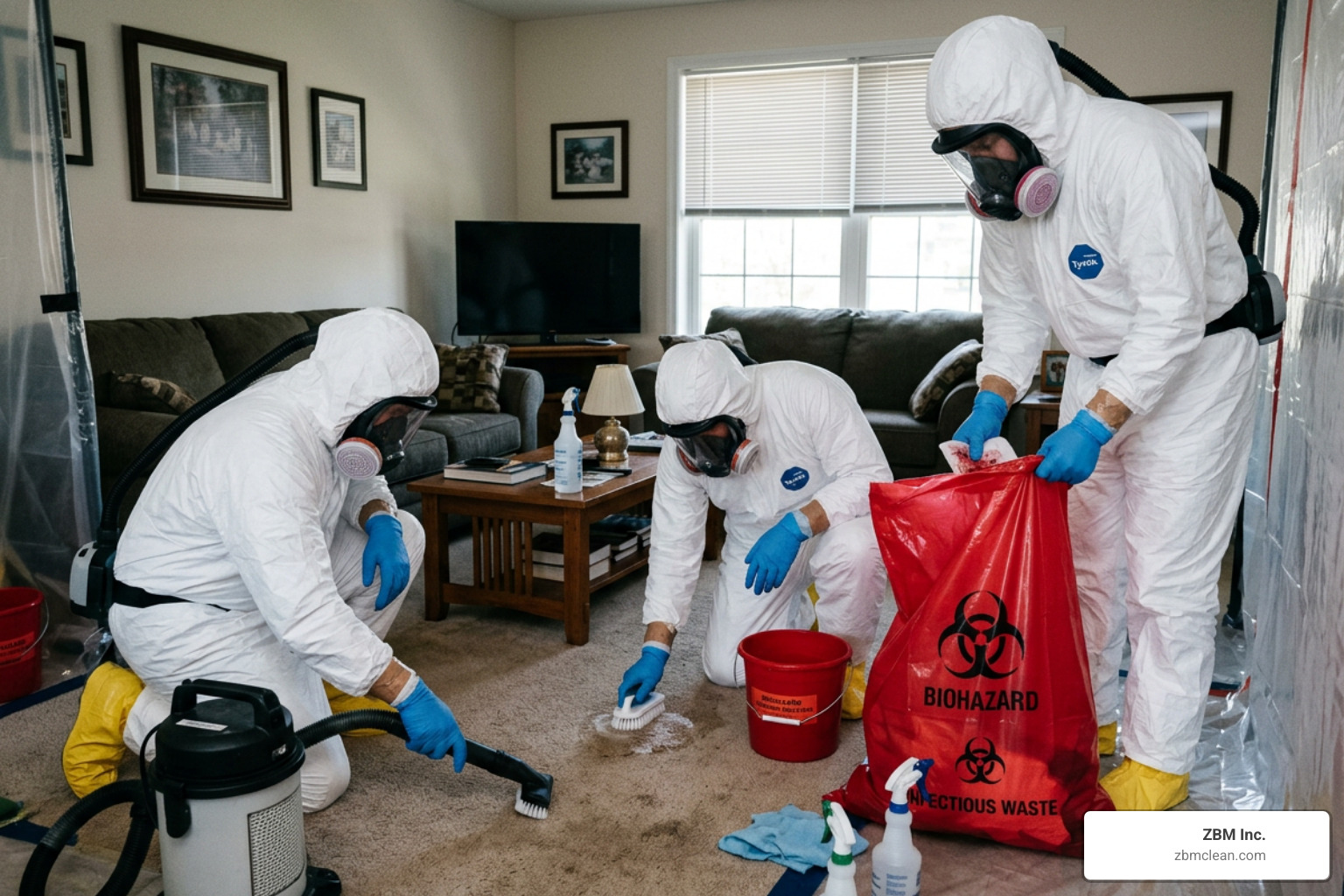
Biohazard remediation is the highly regulated process of removing, cleaning, and sterilizing biological contaminants from a structure. While general commercial cleaning services focus on aesthetic dirt and dust, biohazard remediation focuses on microscopic pathogens, biological fluids, and chemical residues that present immediate and long-term health risks.
A crime scene is only one environment that requires this specialized care. Professional biohazard teams are called for a wide variety of situations, including homicides, suicides, unattended deaths (where decomposition has occurred), industrial accidents, and drug lab decontaminations. In each case, standard household cleaners are completely insufficient to neutralize the invisible biological threats left behind.
To help you understand the differences, we have outlined What Are The Different Types Of Trauma Cleanup in our detailed service breakdowns. Understanding these distinctions ensures you hire the right kind of help when a crisis occurs.
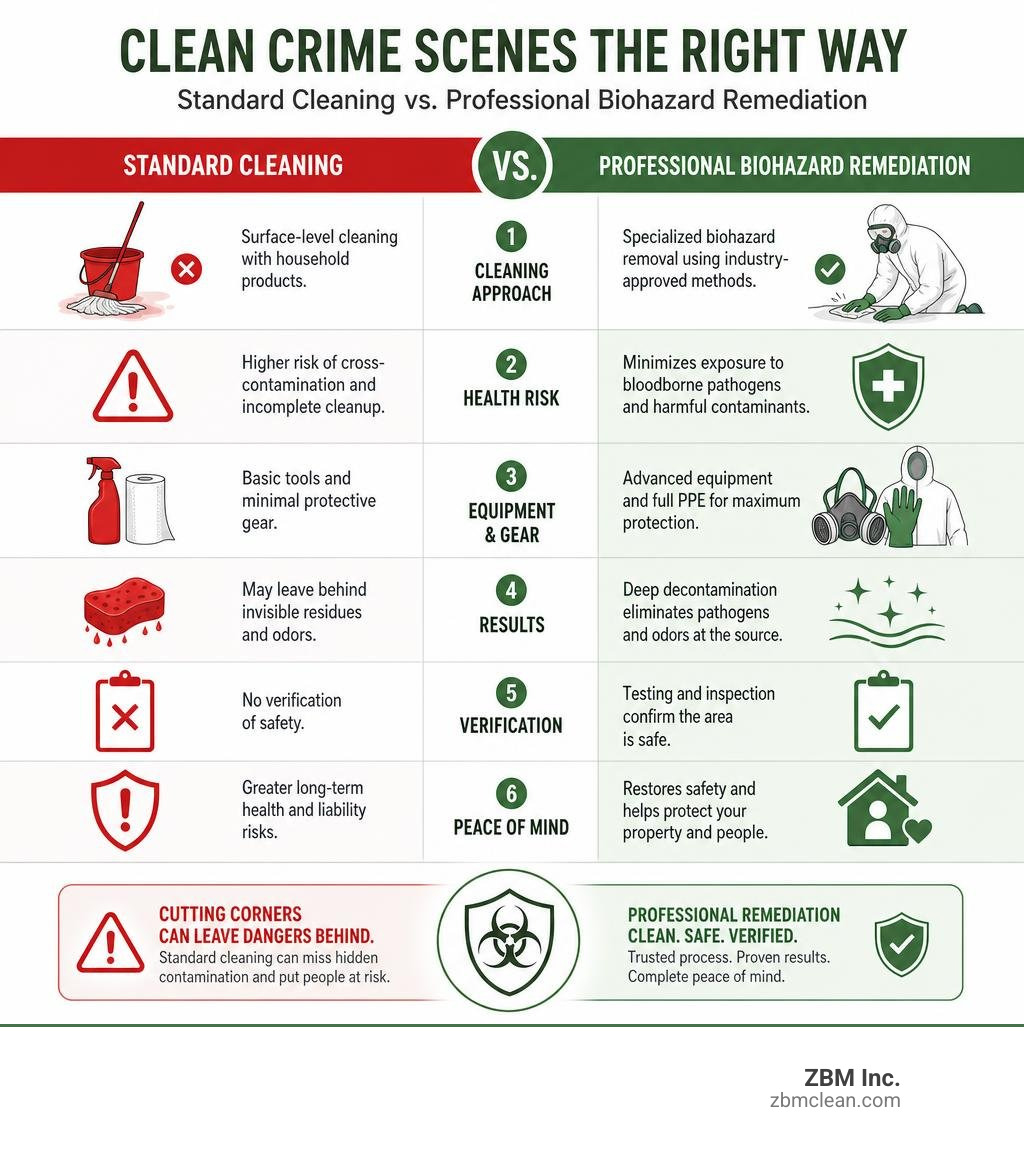
| Standard Cleaning | Professional Crime Scene Cleanup |
|---|---|
| Focuses on surface dirt, dust, and general organization. | Focuses on microscopic pathogen neutralization and biological waste removal. |
| Uses standard household or commercial cleaning solutions. | Uses EPA-registered, hospital-grade disinfectants capable of killing bloodborne pathogens. |
| Performed by general janitorial staff without specialized protective gear. | Performed by certified technicians wearing full-body personal protective equipment (PPE). |
| Disposes of waste in standard municipal trash bins. | Disposes of waste in regulated medical waste containers transported to licensed facilities. |
| No scientific verification of cleanliness is conducted. | Utilizes ATP testing or chemical indicators to verify complete sterilization. |
The Legal Responsibility: Who Cleans Up After the Police Leave?
Many property owners are shocked to discover that once law enforcement finishes their investigation and removes the yellow caution tape, they pack up their equipment and leave. First responders and police officers are not responsible for cleaning up the physical aftermath of a crime.
The legal and financial responsibility to clean crime scenes falls squarely on the property owner. Whether you are a residential homeowner, a landlord managing a rental unit, or a commercial business owner, you must arrange for the safe restoration of the space.
Fortunately, you do not have to navigate this overwhelming burden alone. If you are located in our service areas, such as Dodge County, Jefferson County, or Watertown, professional help is readily available. For instance, we offer dedicated Crime Scene Cleanup Service Wisconsin to handle these exact scenarios. Furthermore, state programs like the Crime Victims’ Compensation (CVC) Program can help eligible individuals cover up to $2,250 in professional cleanup expenses, helping to ease the financial strain during an incredibly stressful time.
The Hidden Dangers of Blood and Bodily Fluids
Attempting to clean up blood or other bodily fluids without professional training is highly dangerous. Human blood can carry infectious bloodborne pathogens, including Human Immunodeficiency Virus (HIV), Hepatitis B, and Hepatitis C. Some of these viruses can survive on dry surfaces for days or even weeks, remaining infectious to anyone who comes into contact with them.
In addition to viral pathogens, biological fluids carry bacteria and fungi that multiply rapidly, especially in cases of unattended death where natural decomposition has begun. This decomposition releases toxic gases and fluids that saturate surrounding materials.
The biggest challenge is invisible contamination. A dime-sized blood droplet on a carpet often masks a circular pool of fluid that has spread two to three feet wide in the padding and subfloor underneath. If porous materials like drywall, wood, carpet, and subflooring are not properly evaluated and treated, they will harbor dangerous pathogens and produce foul, toxic odors indefinitely. For residents in the southern portion of our service region, the Kenosha County Biohazard Services portal provides additional local safety guidelines regarding the handling of biological waste.
Standards, Certifications, and the Professional Cleanup Process
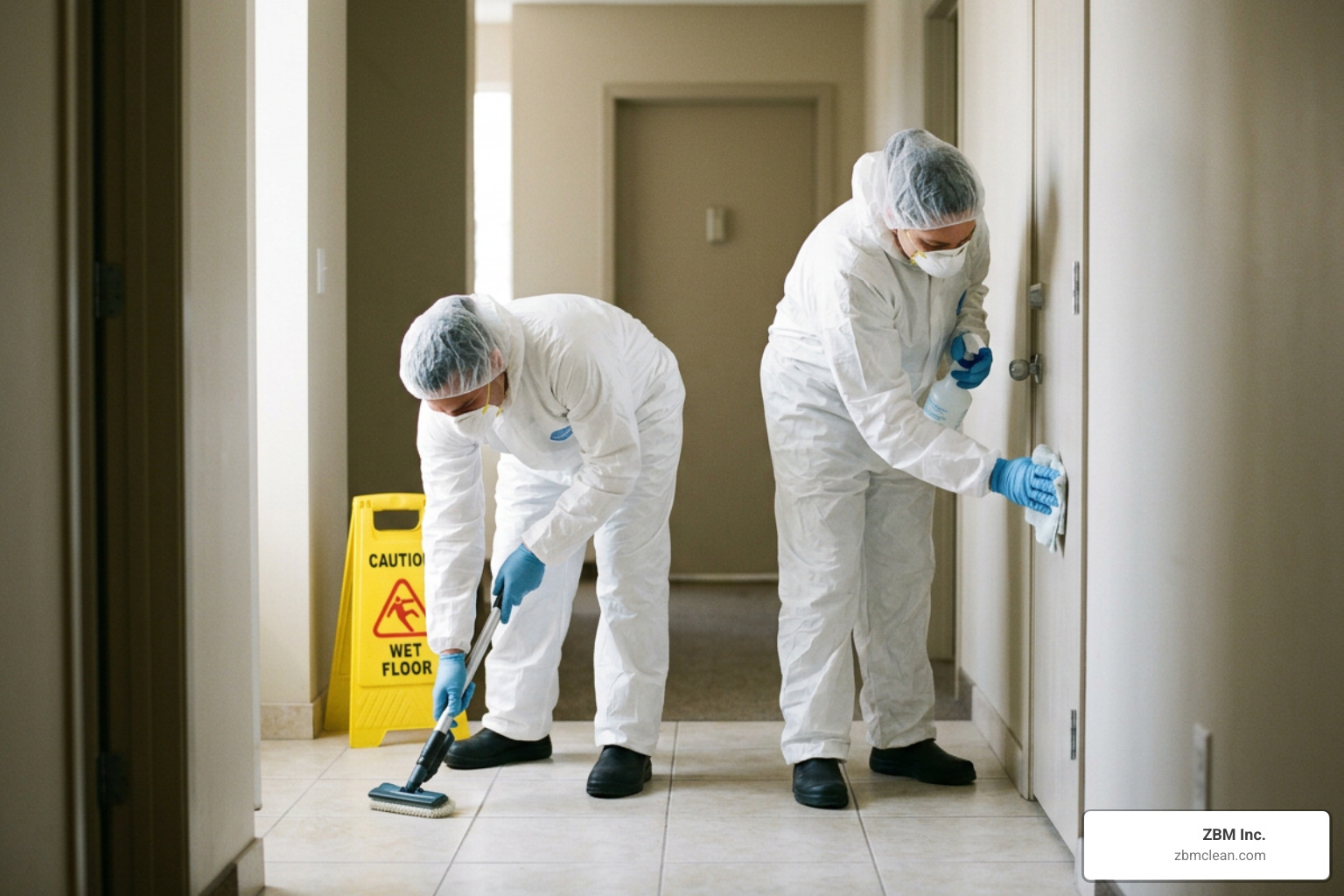
When our team arrives at a property, we follow strict safety protocols designed to prevent cross-contamination and ensure the area is completely sanitized. We don’t just spray disinfectant and wipe down surfaces; we build containment zones, use negative air pressure systems to filter airborne contaminants, and utilize specialized EPA-registered disinfectants that are scientifically proven to kill the most resilient pathogens.
If you want to know more about the step-by-step methods we use to make a space safe again, you can read our guide on What Happens During Trauma Cleanup.
Regulatory Requirements and Certifications to Clean Crime Scenes
Because of the high health risks involved, the biohazard remediation industry is governed by strict federal and state regulations. In the United States, the Occupational Safety and Health Administration (OSHA) sets the baseline for worker safety. Any company performing this work must comply with OSHA’s Bloodborne Pathogens Standard (29 CFR 1910.1030) and HAZWOPER (Hazardous Waste Operations and Emergency Response) standards. These regulations require comprehensive exposure control plans, employee training, and the mandatory use of personal protective equipment (PPE).
Professional credentials from recognized industry organizations are essential. The American Bio Recovery Association (ABRA) offers specialized certifications, and the Institute of Inspection, Cleaning and Restoration Certification (IICRC) establishes the ANSI/IICRC S540 Standard for Trauma and Crime Scene Cleanup. When choosing a provider, knowing What To Look For In A Crime Scene Cleanup Company is vital. You should always verify that the company is fully licensed, bonded, insured, and employs technicians who are certified under these rigid standards.
Step-by-Step: How Professionals Assess, Contain, and Decontaminate
To safely clean crime scenes, we follow a structured, multi-phase protocol:
- Initial Assessment: We evaluate the scene using moisture meters, chemical tests, and specialized lighting to map out the full extent of the contamination, both visible and invisible.
- Containment Setup: We establish controlled work zones using heavy-duty plastic barriers and negative air machines to prevent pathogens and odors from spreading to unaffected areas of the property.
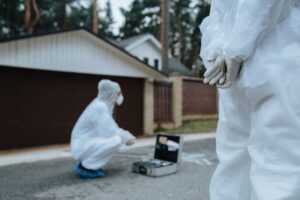
- Biohazard Removal: Technicians in full-body impermeable suits, respirators, and double-gloves carefully remove all biological materials, placing them in regulated medical waste containers.
- Deep Cleaning and Decontamination: We clean all structural surfaces with specialized cleaning agents, followed by the application of hospital-grade, EPA-registered disinfectants.
- ATP Testing and Verification: We use Adenosine Triphosphate (ATP) monitoring technology to test surfaces at a molecular level, ensuring that all organic matter has been completely eradicated.
By adhering to this meticulous process, we ensure that Safety First Why Professional Crime Scene Cleanup Is Essential is not just a slogan, but a verified reality for the properties we restore.
Restorable Belongings vs. Biohazardous Waste Disposal
One of the hardest parts of restoring a crime scene is deciding what can be saved and what must be thrown away. We evaluate every item individually based on its material composition:
- Non-Porous Materials: Items made of metal, glass, or solid plastic can usually be thoroughly sanitized and restored.
- Porous Materials: Items like mattresses, carpets, upholstered furniture, and unsealed wood absorb biological fluids like a sponge. In almost all cases, these items cannot be safely disinfected and must be disposed of as biohazardous waste.
- Structural Elements: Drywall, subflooring, and insulation that have been penetrated by biological fluids must be cut out and discarded to prevent long-term mold, odor, and pathogen risks.
All discarded materials are packed, sealed, and documented in accordance with local and federal medical waste disposal regulations, ensuring they are safely transported to licensed incineration facilities.
Timelines, Insurance, and What to Expect During Restoration
When a traumatic event occurs, property owners want the cleanup process completed as quickly as possible so they can begin to heal. However, rushing through biohazard remediation can lead to missed contamination and long-term structural damage. To help you understand what to expect from start to finish, we have put together a Crime Scene Cleanup Complete Guide detailing the entire restoration journey.
How Long Does the Cleanup Process Take?
The timeline for cleaning a crime scene varies significantly based on several key factors:
- Extent of Contamination: A localized incident in a single room with non-porous flooring may take only a few hours to clean and sanitize.
- Time Elapsed: If a scene is not discovered immediately, natural decomposition can set in, allowing fluids to penetrate deep into subfloors and wall cavities, which requires extensive structural demolition.
- Structural Penetration: If biological fluids have seeped behind baseboards, under flooring, or into heating and cooling vents, the remediation process can take several days as structural elements are carefully removed.
Generally, most residential cleanups are completed within 24 to 72 hours once our team receives clearance to begin.
Insurance Coverage and Financial Assistance for Victims
One of the most common questions we receive is: Who pays for this?
Fortunately, in the vast majority of cases, the cost to clean crime scenes is covered under standard homeowners, renters, or commercial property insurance policies. We work directly with insurance providers, documenting the damage with detailed photos and structural reports, and handling the billing process to minimize your out-of-pocket expenses.
If you need immediate assistance in southeastern Wisconsin or the Northwoods, you can access our team directly through the ZBM Inc. Wisconsin Biohazard Cleanup page to coordinate insurance claims and start the restoration process.
Discretion, Privacy, and Sensitivity in Times of Trauma
We understand that our presence at your home or business comes during one of the most painful moments of your life. Protecting your privacy and maintaining absolute discretion is our highest priority.
To prevent unwanted attention from neighbors or the media, we operate with unmarked service vehicles and quiet, low-visibility equipment wherever possible. We can install temporary privacy partitions to block the view of the affected area from the street or neighboring properties. Above all, our technicians are trained to communicate with compassion, respect, and sensitivity, allowing you to focus on your family while we handle the physical restoration of your property.
Beyond the Tape: Additional Specialized Biohazard Services
While restoring crime scenes is a core part of what we do, our certified technicians are trained to handle a wide variety of specialized biohazard and cleanup challenges, including:
- Odor Removal: Using professional ozone generators, hydroxyl machines, and HEPA air scrubbers to neutralize stubborn, toxic odors at their source.
- Meth Lab Decontamination: Testing and cleaning properties contaminated by the highly toxic chemical residues left behind by clandestine drug labs.
- Fentanyl Testing and Cleanup: Utilizing specialized safety gear and neutralizing agents to safely clear properties of extremely potent synthetic opioids.
- Hoarding Cleanup: Partnering with families and local task forces to clear cluttered properties safely, addressing underlying biological hazards like mold, animal waste, and spoiled food.
- Vehicle Decontamination: Sanitizing cars, trucks, or emergency vehicles that have been exposed to blood, bodily fluids, or chemical irritants like tear gas.
Pop Culture vs. Reality: The Crime Scene Cleaner Video Games
In recent years, the highly specialized world of forensic cleanup has entered the mainstream spotlight, largely thanks to popular simulation video games. Titles like Crime Scene Cleaner (developed by President Studio and published by PlayWay S.A.) have found massive success on platforms like Steam. With 80 Steam achievements to unlock and an impressive 98% positive rating from over 14,000 English-language reviews, the game has introduced millions of players to a fictionalized version of our profession.
However, there is a massive gap between these digital simulations and the real-world job. In the virtual world, players clean up over-the-top, bloody scenes left behind by the mob to earn money under intense time pressure and evade police detection. In reality, we work in close cooperation with law enforcement, coroners, and insurance companies. Real-world cleanup requires strict compliance with health regulations, extensive training, and a deep sense of empathy for grieving families—elements that a video game simply cannot replicate.
PC/Console vs. Mobile: Key Differences in the Virtual World to Clean Crime Scenes
For those who enjoy these simulations, the franchise has expanded beyond PC and consoles into the mobile gaming market. Crime Scene Cleaner: Mobile 3D has built a massive following, boasting a 4.7 out of 5 rating on the App Store and a 4.3 out of 5 rating from nearly 10,000 reviews on Google Play.
While the core concept of cleaning up after criminal activity remains the same, there are major differences between the original PC/console version and the mobile spin-off:
- Gameplay Mechanics: The PC version offers deep, immersive mechanics, allowing players to upgrade complex gear like power washers, specialized lamps, and chemical sprayers. The mobile version is optimized for touchscreens, featuring simplified swipe controls and shorter, bite-sized missions.
- Pacing and Pressure: The mobile version heavily emphasizes time limits and active police evasion, introducing arcade-like elements to keep players engaged on the go. The PC version allows for more tactical planning and thorough investigation of the scene.
- Monetization: While the PC game is a one-time premium purchase with free content updates (like the “Nightmare Update” and “Community Update”), the mobile version relies on in-app purchases and ad-supported mechanics to unlock advanced cleaning tools and bypass timers.
Frequently Asked Questions About Crime Scene Cleanup
Is crime scene cleanup required by law?
While there is no law forcing a private property owner to hire a professional cleaning company, you are legally obligated to maintain a safe environment. OSHA regulations protect employees from biohazard exposure in commercial workspaces, and renting out a residential property with active biological contamination violates basic habitability laws. Hiring a certified professional is the only way to ensure the property is legally safe for occupancy.
Can I clean up a crime scene myself?
We strongly advise against attempting to clean up a biohazard scene yourself. Without professional-grade PPE, you risk exposure to dangerous diseases like Hepatitis and HIV. Furthermore, household cleaning products cannot neutralize deeply embedded contaminants, and disposing of biohazardous waste in standard household trash is illegal in most municipalities. Finally, the emotional trauma of cleaning a scene where a loved one has suffered can be deeply damaging.
Who pays for crime scene cleanup?
In most cases, the cleanup is paid for by your property insurance policy (homeowners, renters, or commercial property insurance). Additionally, state-funded victim assistance programs, like the Crime Victims’ Compensation Program, can provide financial aid to help cover cleanup costs for eligible victims of violent crimes.
Conclusion
Restoring a property after a traumatic event is a complex, dangerous, and emotionally challenging task. At ZBM Inc., we are dedicated to lifting this heavy burden off your shoulders. As a family-owned, licensed, bonded, and insured company based in Watertown, WI, we bring certified expertise and compassionate care to every project we undertake.
Whether you are located in Dodge County, Jefferson County, Lake Mills, Minocqua, or anywhere across Southeast Wisconsin and the Northwoods, our team is ready to respond 24/7. When you need professional biohazard remediation you can trust, visit the ZBM Inc. Pillar Page to learn more about our services or request immediate assistance. Let us handle the restoration so you can focus on what matters most.