What Trauma and Crime Scene Cleanup Involves
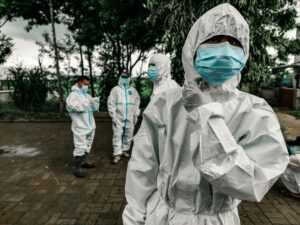
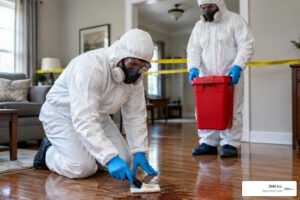
Trauma and crime scene cleanup is the safe removal of blood, bodily fluids, and other hazardous material after an unattended death, violent incident, suicide, or accident. Trained professionals contain the affected area, remove contaminated materials, clean and disinfect surfaces, and document the work. If you manage the property, keep others out and wait for authorities to release the scene before cleanup begins.
The goal is more than a clean-looking room. Proper handling helps protect occupants and workers from exposure while sparing affected families the burden of cleaning the site themselves. According to the National Institute of Environmental Health Sciences, bloodborne pathogens such as hepatitis B, hepatitis C, and HIV can survive on surfaces for days, which is why professional containment and disinfection are essential after a traumatic event.
I’m Terry Zastrow, owner of ZBM Inc., an IICRC-certified firm with about 30 years of experience serving public agencies and private clients. My technician certifications and safety training shape how I approach trauma and crime scene cleanup: with care, clear procedures, and attention to the people affected.
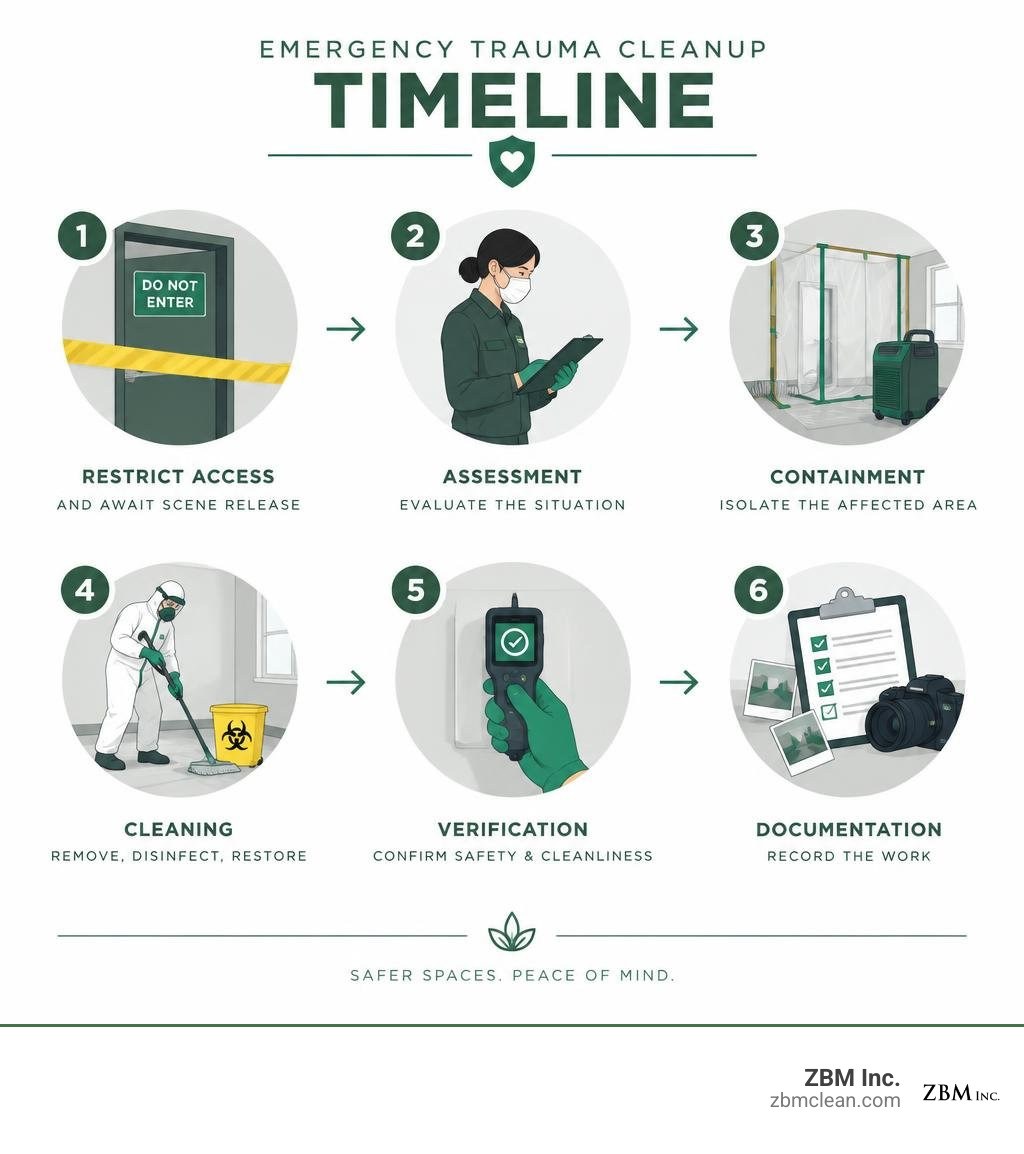
Simple guide to trauma and crime scene cleanup terms:
Comprehensive Guide to Trauma and Crime Scene Cleanup Protocols
Handling biological contaminants requires specialized knowledge and strict adherence to safety standards. Unlike routine janitorial work, remediating a trauma scene involves managing bloodborne pathogens, infectious materials, and chemical compounds such as fingerprint dust or luminol residue.
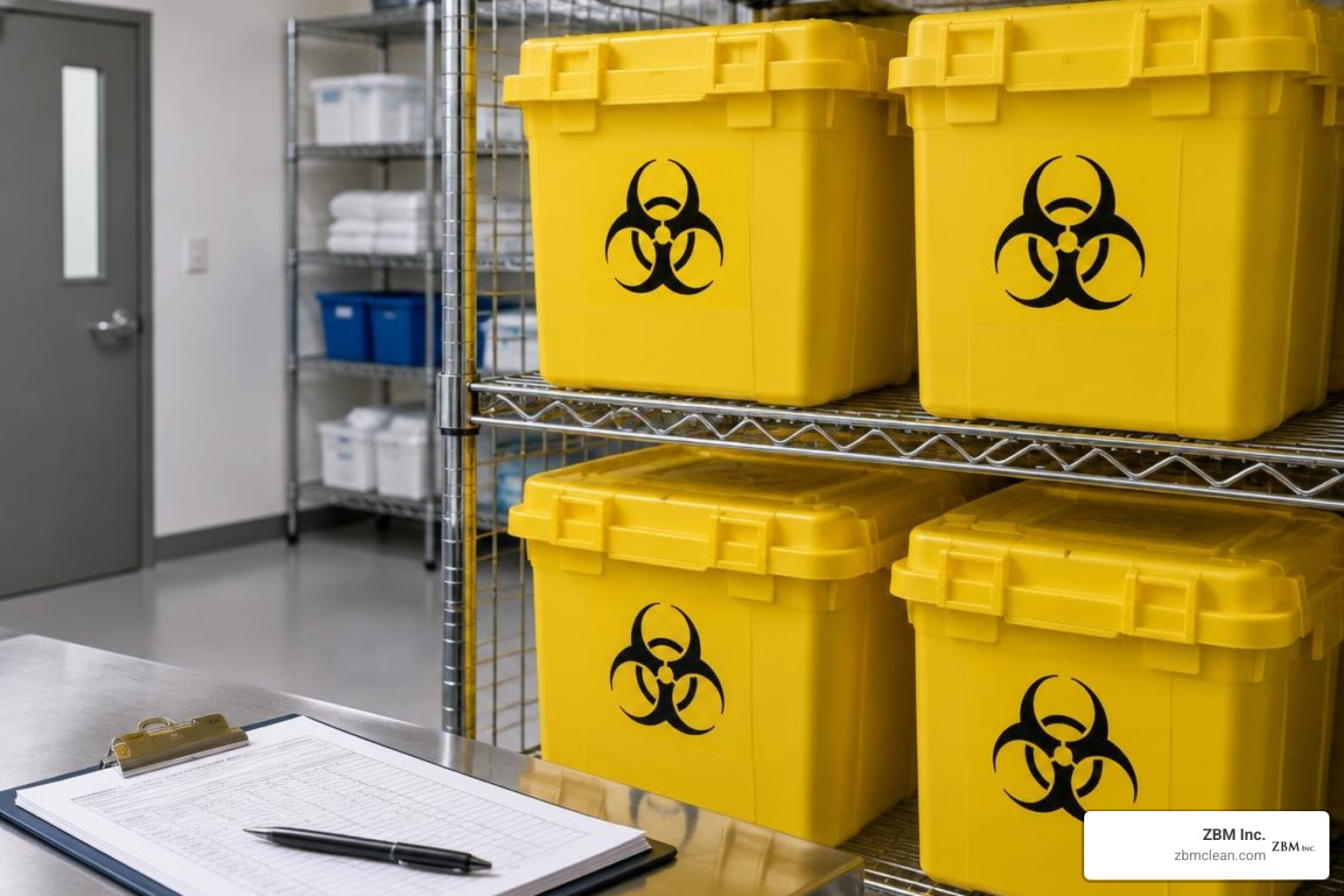
Attempting to clean biological hazards without professional assistance is extraordinarily difficult and time-consuming. Standard household supplies cannot neutralize persistent pathogens or penetrate porous materials where fluids settle. Incomplete remediation leaves dangerous reservoirs of biological matter behind, which is why choosing dedicated professional biohazard cleanup services is critical for protecting everyone who enters the space.
Core Situations Covered by Trauma and Crime Scene Cleanup
Trauma cleanup encompasses a wide range of sensitive and critical environments across commercial, residential, and municipal properties:
- Unattended Deaths: Accounting for nearly 60% of all biohazard remediation calls, unattended deaths often remain undiscovered for days or weeks. Natural decomposition releases airborne bacteria, fluids, and pervasive odors that saturate subflooring and drywall.
- Suicides and Violent Crimes: These scenes frequently involve high levels of biological contamination spread across multiple structural elements, demanding specialized containment.
- Industrial and Workplace Accidents: Commercial facilities and warehouses require rapid remediation after machinery failures or severe injuries to ensure worker safety and regulatory compliance.
- Severe Hoarding Situations: With approximately 1 in 32 American households affected by severe hoarding, biological waste, mold, and decaying matter often accumulate, turning residential properties into hazardous environments.
Understanding what happens during trauma cleanup helps property owners recognize the depth of restoration needed to return a property to a habitable state.
Step-by-Step Biohazard Remediation Process
Restoring a contaminated scene involves systematic decontamination to ensure complete biological clearance.
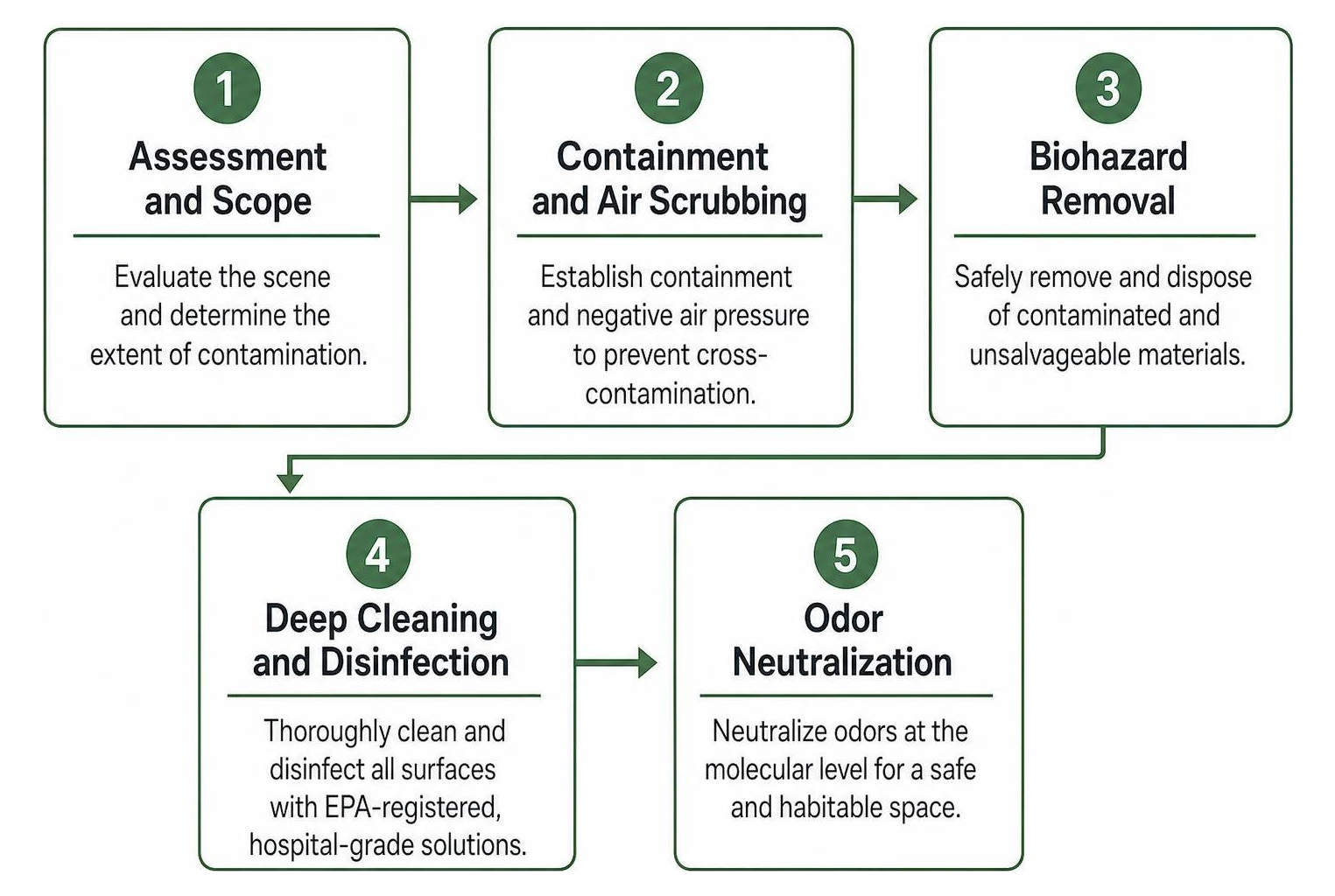
- Site Assessment and Scope Definition: Technicians evaluate structural penetration using moisture meters and thermal imaging to determine how deeply bodily fluids have traveled into carpets, baseboards, and subfloors.
- Containment and Air Scrubbing: Negative air pressure zones and plastic barriers are established to prevent airborne pathogens and odors from spreading to unaffected rooms.
- Biohazard Removal: Unsalvageable porous items—such as mattresses, upholstered furniture, and damaged drywall—are safely cut away, sealed in DOT-approved biohazard containers, and prepared for regulated disposal.
- Deep Cleaning and Disinfection: Technicians apply EPA-registered, hospital-grade broad-spectrum disinfectants to eliminate pathogens on all hard surfaces using advanced cleanup methods.
- Odor Neutralization: Hydroxyl generators and thermal foggers neutralize volatile organic compounds at a molecular level rather than merely masking smells.
- Clearance Testing: Adenosine triphosphate (ATP) testing is performed to verify that surfaces are biologically clean and free of living cellular matter.
Critical Safety Regulations and Industry Certifications
Because biological fluids carry dangerous pathogens such as Hepatitis B (HBV), Hepatitis C (HCV), and HIV, strict federal and state regulations govern remediation practices. Technicians adhere to OSHA standard 29 CFR 1910.1030 (Bloodborne Pathogens), utilizing comprehensive Personal Protective Equipment (PPE)—including full-body Tyvek suits, double-nitrile gloves, and respiratory protection. The Occupational Safety and Health Administration provides detailed guidance on bloodborne pathogen exposure control that informs professional remediation standards.
Following strict safety protocols ensures that infectious waste is packaged, manifested, and transported to licensed thermal destruction facilities without threatening community health.
Restoring Safety, Dignity, and Legal Compliance

Restoring a property after a traumatic event requires balancing physical decontamination with legal responsibility and emotional awareness.
Managing Liability and Property Restoration in Trauma and Crime Scene Cleanup
Property managers and business owners carry a duty of care to provide safe environments for tenants, employees, and guests. Over 40% of property managers report managing at least one biohazard or unattended death incident within a five-year span.
Attempting to resolve biological hazards using in-house maintenance crews creates substantial liability risks. Inadequate sanitization can leave pathogens active within structural framing, causing long-term structural degradation, persistent health issues, and potential lawsuits.
Working with skilled trauma technicians ensures:
- Complete cross-contamination prevention throughout the remediation process.
- Proper documentation and itemized invoices that streamline property insurance claims.
- Certificates of Sanitation confirming the property is fully decontaminated and safe to reoccupy.
Compassionate Response and What to Expect During Service
Calling a remediation service during a crisis can feel overwhelming. A professional team prioritizes discretion, clear communication, and compassionate care from the first call.
When you contact us at ZBM Inc., you receive 24/7 emergency dispatch. We arrive in discreet, unmarked vehicles to protect your privacy throughout Watertown WI, Dodge County WI, Jefferson County WI, Lake Mills WI, and across Southeast Wisconsin. As a family-owned and operated firm, our licensed, bonded, insured, and certified specialists conduct a thorough walkthrough, handle all necessary insurance coordination, and restore safety and peace of mind to your property.
For complete guidance on choosing the right provider for your property, explore our comprehensive crime scene cleanup guide.