When a Death Occurs at Your Property, Here’s What You Need to Know
After death cleaning services are professional biohazard remediation services that safely remove blood, bodily fluids, decomposition matter, and other hazardous biological materials from a property following a death. Here is a quick overview:
What after death cleaning includes:
- Biohazard removal (blood, bodily fluids, tissue)
- Deep decontamination with hospital-grade disinfectants
- Odor neutralization
- Safe disposal of all contaminated materials
- Final testing to confirm the space is safe
Who needs it:
- Property managers and landlords
- Families of the deceased
- Estate executors
- Housing authorities and social services
When to call:
- Unattended or undiscovered death
- Suicide or homicide
- Accidental death with bodily fluids present
- Any scene with decomposition
The most important rule: Do not attempt to clean the scene yourself. Bodily fluids carry dangerous pathogens, and exposure without proper protective equipment poses serious health risks.
Discovering a death on a property you manage is one of the most jarring situations a commercial property manager can face. Beyond the grief and shock, there are immediate, practical concerns — health risks, legal obligations, insurance questions, and the pressure to restore the space safely and quickly.
This guide walks you through everything you need to know: what professional after death cleaning actually involves, why it matters, and how to choose the right provider.
I’m Terry Zastrow, owner of ZBM, Inc., a certified firm with approximately 30 years of experience providing after death cleaning services to state and county agencies, municipalities, housing authorities, and private-sector clients across Wisconsin. Our team holds multiple IICRC certifications and completes annual HAZWOPER training, so you can trust that every cleanup we handle meets the highest safety and compliance standards.
After death cleaning services vocabulary:
What Are After Death Cleaning Services?
When we talk about after death cleaning services, we are referring to a highly specialized branch of biohazard remediation. This is not standard custodial work. It is a rigorous scientific and technical process designed to eliminate biological hazards, neutralize stubborn odors, and restore a property to a safe, habitable state.
At its core, after death cleaning addresses the physical aftermath of a passing. When a person dies, the body immediately begins to undergo natural biological breakdown. Within hours, cells begin to rupture, releasing enzymes and fluids. If a death is unattended for days or weeks, these decomposition fluids can seep deep into porous materials such as carpets, subflooring, drywall, and baseboards.
This environment quickly becomes a breeding ground for biological hazards. Bloodborne pathogens, harmful bacteria, and airborne viruses can colonize the area, posing severe health risks to anyone who enters. Professional biohazard remediation is the only reliable way to ensure these invisible threats are completely neutralized.
Through our specialized training at ZBM Inc., we approach these situations with scientific precision. Our team is equipped to handle the complex chemistry of decomposition, ensuring that all biological materials are safely extracted, the structure is deeply sanitized, and the property is legally cleared of hazardous waste. For a closer look at how we sanitize these environments across the state, you can read about our Expert Accident and Death Scene Sanitization in Wisconsin.
When Are After Death Cleaning Services Needed?
Professional intervention is crucial in several specific scenarios to protect both the occupants of a building and the structural integrity of the property:
- Unattended Deaths: This is the most common scenario requiring professional cleanup. An unattended death occurs when someone passes away alone, and their body is not discovered for days, weeks, or even months. During this time, decomposition occurs, releasing highly concentrated gases and fluids that saturate the surrounding environment.
- Suicides and Homicides: These tragic events often involve significant blood loss and trauma. The scene may contain dispersed biological material, bone fragments, and tissue that require careful, meticulous recovery.
- Accidental Deaths: Severe slips, falls, or medical emergencies can result in substantial blood spills and bodily fluid contamination that standard cleaning products cannot safely resolve.
- Industrial or Workplace Accidents: When a fatal accident occurs in a commercial setting, strict OSHA regulations dictate how the biohazards must be cleaned and documented before employees can return to work.
If you are dealing with a tragedy in Jefferson County, Dodge County, or within the Watertown city limits, specialized local resources and professional support are available to help you navigate the situation safely and respectfully.
How After Death Cleaning Services Differ from Standard House Cleaning
We often get asked why a regular cleaning service or a standard estate cleanout crew cannot handle a death scene. The difference lies in safety, training, legal compliance, and equipment.
Standard house cleaners use retail-grade disinfectants designed to remove surface dirt and common household bacteria. They are not trained, certified, or legally permitted to handle, transport, or dispose of biohazardous waste.
Here is a side-by-side comparison to help illustrate the differences:
| Feature | Standard House Cleaning | Professional After Death Cleaning |
|---|---|---|
| Primary Goal | Aesthetic cleanliness and organization | Pathogen elimination and biological safety |
| Protective Gear | Standard gloves, basic face masks | Full-body PPE, respirators, double-gloving |
| Chemicals Used | Household detergents and surface sanitizers | EPA-registered, hospital-grade sporicides |
| Testing Methods | Visual inspection | ATP (Adenosine Triphosphate) testing |
| Waste Disposal | Standard municipal trash bins | Regulated medical waste disposal with manifest tracking |
| Structural Impact | Surface cleaning only | Removal of contaminated drywall, subflooring, and carpet |
We use specialized equipment such as industrial-strength air scrubbers, ozone machines, and hydroxyl generators to eliminate odors at the molecular level rather than masking them. Our team also performs deep structural remediation, which might involve cutting away contaminated materials that have absorbed biological fluids.
To understand the intense logistics and specialized care involved in these scenarios, you can read our detailed article, Sweeping Up the Evidence: A Deep Dive into Crime Scene Cleanup. For those in our immediate service area, professional restoration and cleanup services are always available to handle these sensitive situations with care.
The Health Risks of DIY Death Cleanup
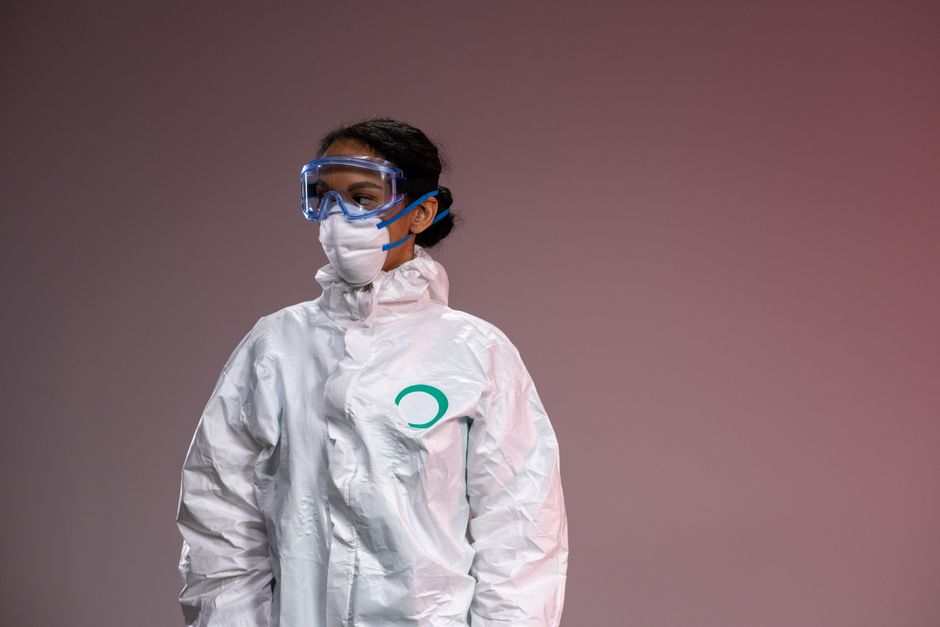
Attempting to clean a death scene yourself—or asking an untrained employee to do so—is a major safety and liability risk. Without the proper training and personal protective equipment (PPE), you risk exposing yourself to serious diseases and potentially spreading contamination throughout the rest of the building. To learn more about the strict safety boundaries required for these situations, take a look at our guide on Everything You Need to Know About Biohazard and Fire Cleanup.
Pathogens and Biohazards
A death scene, particularly one involving decomposition or blood, is a biological hazard zone. Blood and bodily fluids can carry bloodborne pathogens that remain infectious long after the host has passed away. Some of the primary risks include:
- Hepatitis B and C: These viruses can survive in dried blood on surfaces for up to a week or more, posing a high risk of infection through minor cuts or abrasions.
- HIV: While less resilient outside the body than Hepatitis, HIV still presents a risk in fresh blood and bodily fluids.
- Decomposition Bacteria and Fungi: As a body decomposes, it releases millions of bacteria and fungi into the air and surrounding surfaces. Inhaling these micro-organisms or getting them in your eyes, nose, or mouth can lead to severe respiratory and gastrointestinal illnesses.
- Ectoparasites and Pests: Unattended death scenes often attract insects, rodents, and other pests. These pests can carry secondary diseases and spread contamination from the immediate scene to other areas of the property.
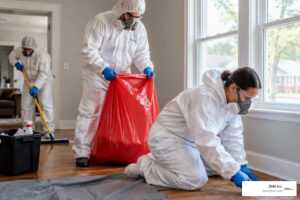
Without industrial-strength personal protective equipment—including full-body suits, double-gloved hands, eye protection, and full-face respirators—it is incredibly easy to accidentally inhale, ingest, or absorb these hazardous pathogens.
Psychological Impact of Trauma Scenes
The physical health risks are only one side of the coin; the psychological toll of cleaning a death scene is equally profound. Entering a space where a loved one, a tenant, or an employee has passed away is a deeply emotional experience that can lead to lasting psychological trauma.
For family members, witnessing the physical remnants of a loved one’s death can complicate the grieving process and leave permanent, painful memories. For property managers, forcing maintenance staff or standard janitorial workers to clean a trauma scene can lead to severe emotional distress, resentment, and potential legal liabilities for workplace safety violations.
We often say that our job is as much about protecting minds as it is about protecting bodies. By stepping in, we shield families and staff from having to see and clean the physical markers of tragedy. You can read more about the emotional reality of this profession in our article, Cleaning Up the Messiest Days of Someone Else’s Life.
The Step-by-Step Professional Remediation Process
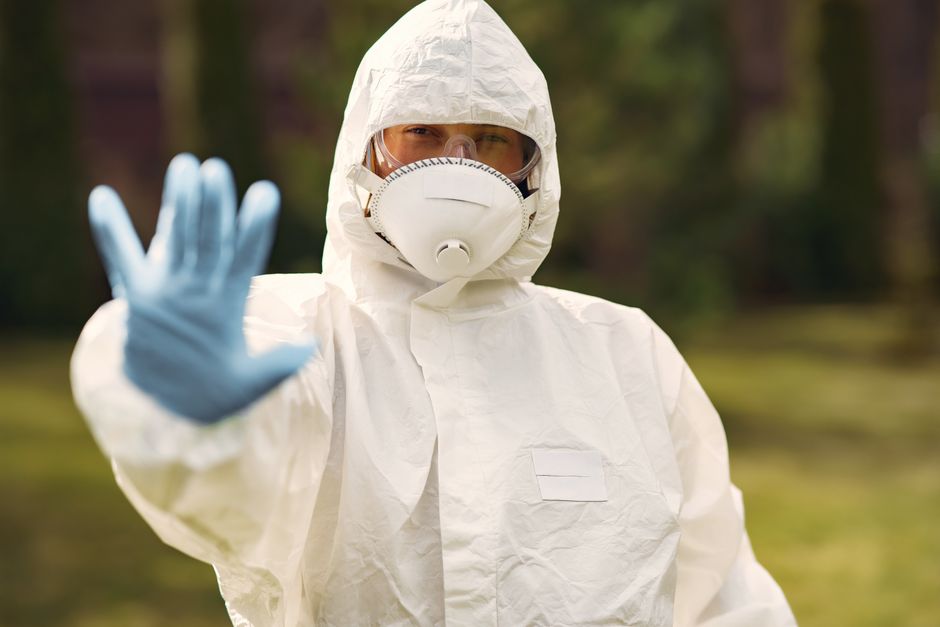
A professional biohazard cleanup is a systematic, highly regulated process. We follow strict, multi-stage protocols to ensure that every trace of biological contamination is identified, contained, removed, and verified. To see how these steps fit into a broader safety framework, you can read our Crime Scene Cleanup Complete Guide.
Assessment and Containment
The very first thing we do upon arriving at a scene is perform a comprehensive safety assessment. We evaluate the extent of the contamination, identify which structural materials have been compromised, and map out a plan of action.
Once the assessment is complete, we establish strict containment protocols to prevent cross-contamination:
- Setting up Containment Barriers: We use heavy-duty plastic sheeting and negative air pressure systems to isolate the affected area. This keeps airborne pathogens, dust, and odors from escaping into other parts of the property.
- Establishing a Decontamination Zone: We set up a designated transition area where our technicians can safely put on and take off their protective gear. This ensures that no biological material is tracked outside the containment zone.
- Safety Signage: We place clear warning signs at all entry points to ensure unauthorized individuals do not accidentally enter the hazardous area.
Decontamination and Odor Neutralization
With containment established, the core cleanup begins. This stage involves the meticulous removal of all biohazardous materials and the deep sanitation of the structure:
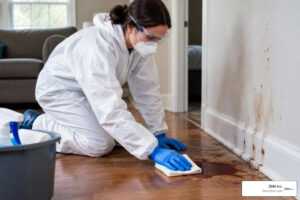
- Extraction of Biological Materials: We carefully remove all visible blood, bodily fluids, and contaminated items. Materials that cannot be fully disinfected—such as carpet, padding, and saturated drywall—are carefully cut out, double-bagged in biohazard bags, and boxed for legal disposal.
- Deep Sanitization: We apply EPA-registered, hospital-grade sporicides and disinfectants to all hard surfaces, including subflooring, framing, and walls.
- Odor Neutralization: Decomposition odors are incredibly persistent because they are comprised of volatile organic compounds (VOCs) that cling to surfaces. We use advanced ozone treatment and hydroxyl generators to break down these odor molecules at the molecular level, completely neutralizing the smell rather than masking it.
- ATP Testing for Verification: We do not rely on visual inspections alone. We use ATP (Adenosine Triphosphate) testing to measure cellular activity on cleaned surfaces. This scientific testing confirms that the area is biologically sterile and 100% safe for reoccupancy.
For property owners in our home base, you can read our specialized Watertown Biohazard Cleanup and Remediation Guide to understand the local disposal and sanitization standards we follow.
Insurance Coverage and Choosing a Provider
One of the first questions property owners ask us is, “How much is this going to cost, and will my insurance cover it?” The good news is that in the vast majority of cases, professional after death cleaning services are covered by property insurance.
At ZBM Inc., we are a family-owned business based in Watertown, Wisconsin, and we serve communities throughout Dodge County, Jefferson County, Lake Mills, Southeast Wisconsin, and up to the Northwoods (including Minocqua). We understand how stressful these situations are, which is why we focus on making the administrative process as smooth as possible. If you want to know more about what to look for in a team, read our guide on Professional Trauma Cleanup Teams You Can Trust.
How Homeowners Insurance Works with Biohazard Cleanup
Most standard homeowners, commercial property, and business owner insurance policies cover biohazard remediation and structural restoration following a death.
- Direct Billing: We work directly with your insurance provider. We document the entire cleanup process with detailed photos, atmospheric readings, and written reports, and submit the claim directly to the carrier so you don’t have to act as the middleman.
- What is Covered: Typically, insurance covers the cost of biohazard removal, structural sanitization, odor deodorization, and the restoration of the property to its pre-loss condition (including replacing carpet or drywall that had to be removed).
- Your Responsibility: In most cases, your only out-of-pocket cost will be your policy’s standard deductible.
We handle all the heavy lifting with the insurance adjusters, ensuring they have the exact scientific documentation and proof of compliance they need to approve the claim quickly.
Key Certifications and Standards to Look For
Because biohazard cleanup is an unregulated industry at the federal level, anyone with a bucket and a mop can claim to offer these services. To protect your property, your health, and your legal liability, you must ensure the company you hire holds the proper credentials:
- OSHA Compliance: The provider must strictly follow OSHA standards, including the OSHA Bloodborne Pathogens Standard (29 CFR 1910.1030) and HAZWOPER regulations.
- IICRC Certification: Look for a company certified by the Institute of Inspection, Cleaning and Restoration Certification (IICRC), specifically in Trauma Scene Waste Management.
- EPA-Registered Disinfectants: The team must only use disinfectants registered with the EPA specifically for biological pathogens.
- Licensed and Insured: Ensure the company carries comprehensive general liability, workers’ compensation, and specialized pollution liability insurance (which covers biohazard transport and disposal).
Frequently Asked Questions About Death Scene Cleanup
Dealing with a tragedy brings up many immediate questions. Here are clear, straightforward answers to the most common concerns we receive from property owners and families.
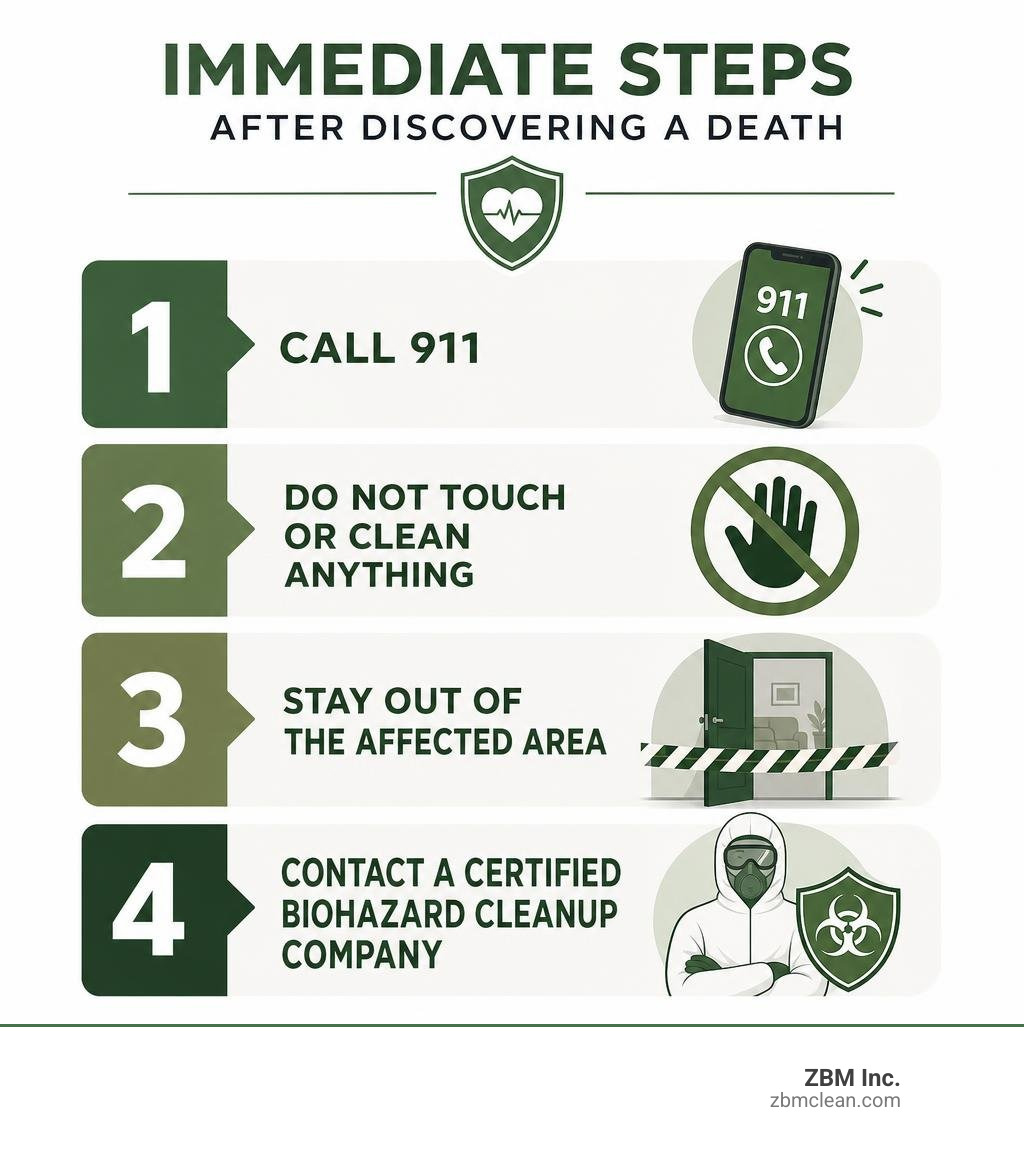
What should I do immediately after discovering an unattended death?
If you discover a deceased person on your property, take the following steps immediately:
- Leave the Area Immediately: Do not touch the body, any surrounding fluids, or personal items.
- Call Emergency Personnel: Dial 911 to notify law enforcement and medical first responders.
- Secure the Scene: Lock the doors or restrict access to the area to protect the privacy of the deceased and prevent anyone from walking through the scene.
- Do Not Attempt to Clean: Do not use household cleaners or vacuum cleaners, as this can aerosolize pathogens and spread contamination.
- Contact Professionals: Once law enforcement clears you to do so, contact a licensed biohazard cleanup provider to restore the space.
How long does the cleanup process typically take?
The timeline depends on several factors, including the size of the affected area, the severity of the decomposition, and whether structural materials (like flooring or drywall) must be removed.
A standard suicide or accidental death scene can often be fully remediated and verified within 24 to 48 hours. An unattended death that went undiscovered for several weeks may take 3 to 5 days to ensure that all deep-seated odors are fully neutralized and structural materials are safely restored. We always provide a clear, honest timeline estimate after our initial assessment.
Is the cleanup process handled discreetly?
Yes, absolutely. We understand that neighbors, tenants, and the public can be highly sensitive to these situations. We arrive in unmarked service vehicles, and our technicians maintain a highly professional, respectful, and quiet demeanor. We do not discuss the details of the scene with anyone other than the property owner, designated family members, or law enforcement.
Conclusion
Discovering a death on your property is a heavy, overwhelming experience. But you do not have to carry the physical or emotional burden of cleaning it up alone.
Professional after death cleaning services exist to protect your health, preserve your property’s value, and give you peace of mind during a deeply challenging time. By trusting certified, compassionate experts to handle the biohazards, you can focus on what matters most: supporting your family, your tenants, or your business.
At ZBM Inc., we are here for you 24/7/365 across Dodge County, Jefferson County, Watertown, and Southeast Wisconsin. If you need immediate assistance or simply want to learn more about how to prepare for the unexpected, please explore our complete guide to crime scene cleanup companies or contact our office today. We are ready to help you restore safety, dignity, and peace of mind to your property.