First Steps in Fire and Water Damage Recovery
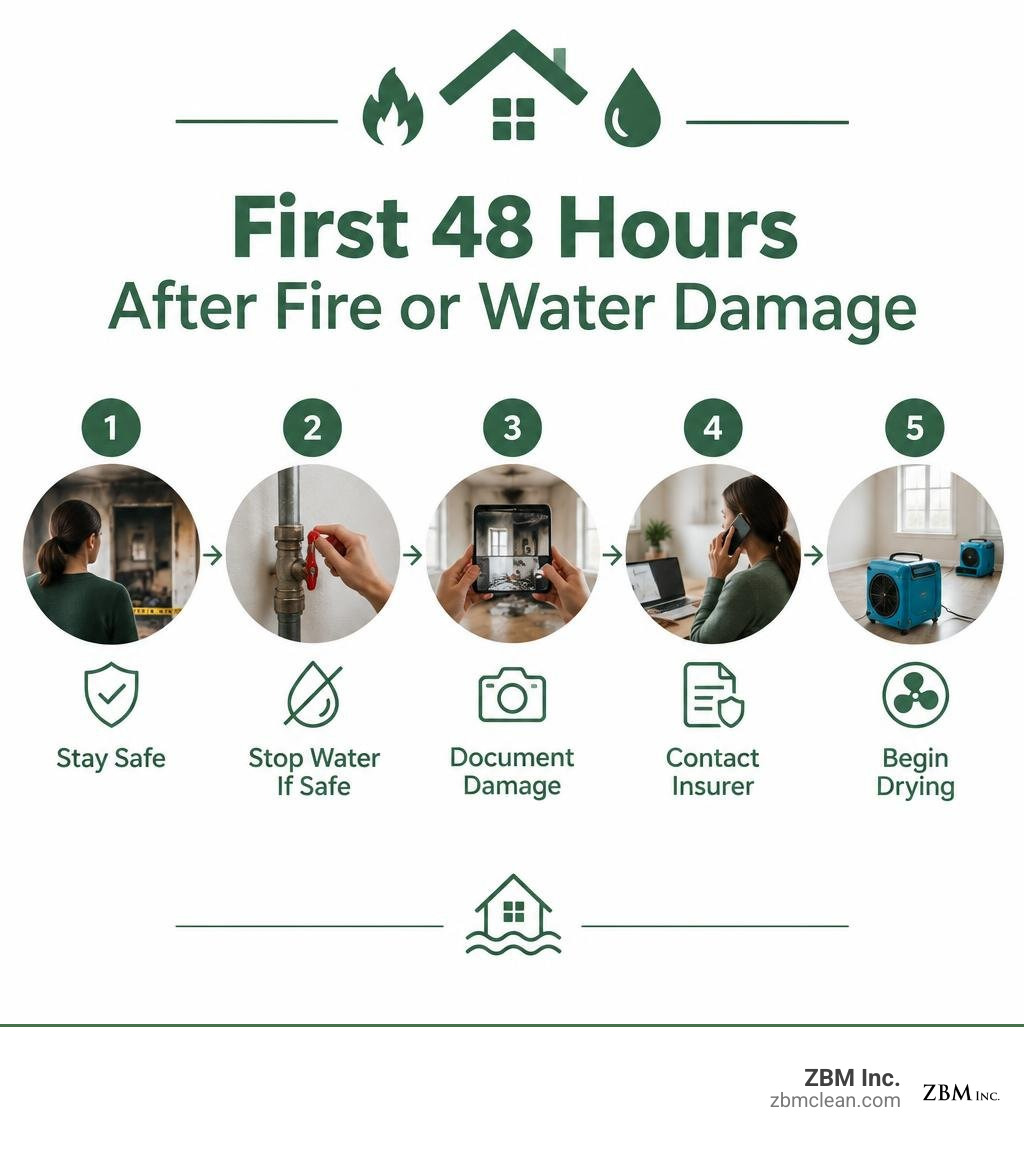
Start with safety. Stay out of a fire- or water-damaged building until emergency crews say it is safe to enter. If you can do so without risk, shut off the water source to limit further damage. Take photos before cleanup, call your insurer, and arrange a damage assessment. Wet areas need prompt attention because trapped moisture can lead to mold.
I’m Terry Zastrow, owner of ZBM Inc., an IICRC-certified firm with about 30 years of operational history. My technician certifications and safety training inform this guide to fire and water damage recovery.
Fire and water damage recovery glossary:
- damage restoration near me
- what does a fire restoration company do
- water damage restoration companies near me
Comprehensive Process for Fire and Water Damage Recovery
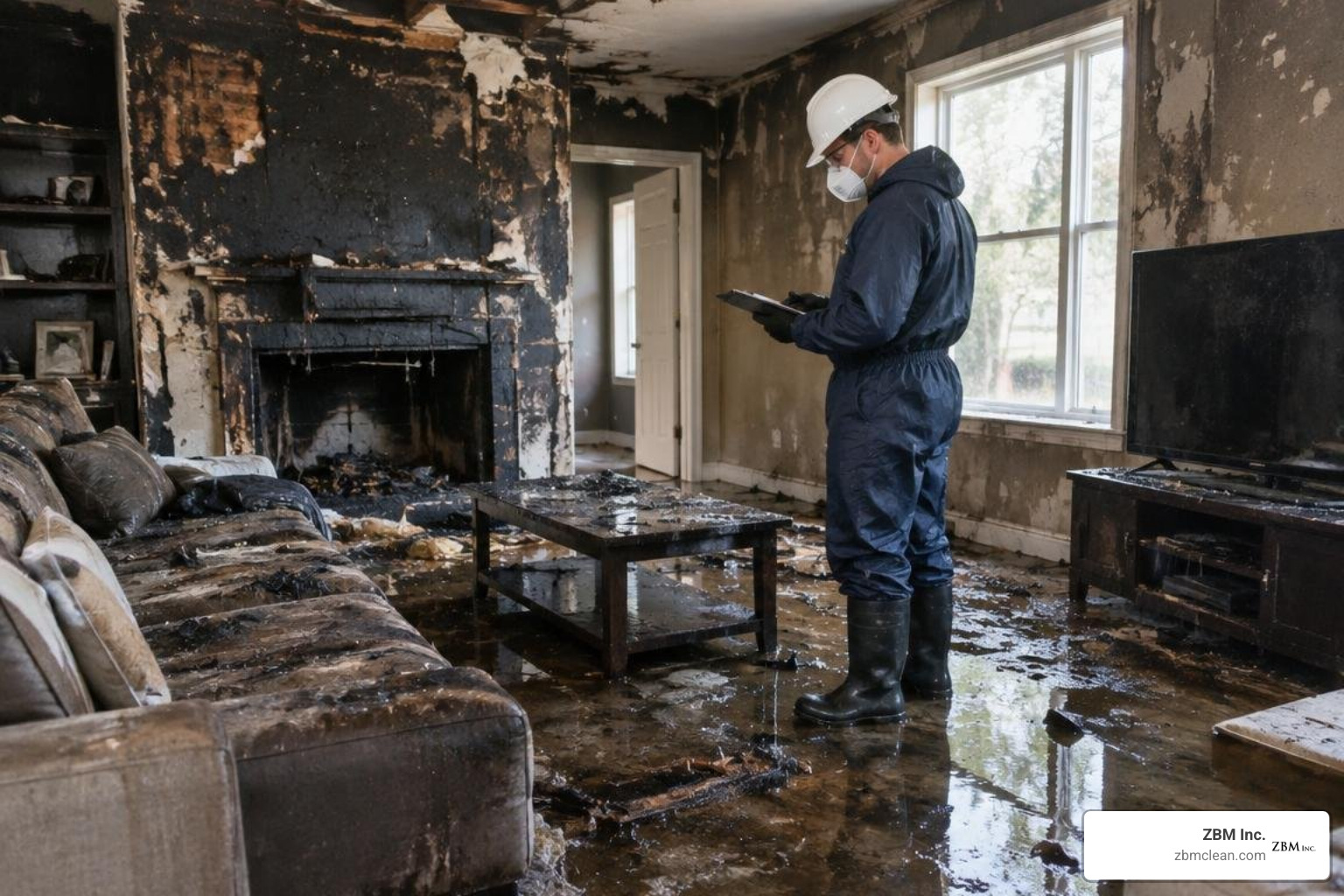
Facing property destruction is overwhelming. In the United States, water damage accounts for approximately 23.9% of all property insurance claims, while local fire departments respond to a blaze every 23 seconds. When a fire occurs, homes face a 40% higher chance of experiencing secondary water damage strictly from firefighting efforts.
Navigating property recovery requires a structured approach. Rather than attempting to handle complex structural damage alone—which can be exhausting, dangerous, and often leaves hidden moisture or soot behind—partnering with certified professionals ensures your home is stabilized properly from day one.
Immediate Safety Steps and Fire and Water Damage Recovery Protocols
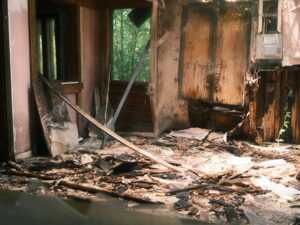
Before anyone steps inside, structural integrity and safety must be verified. Fires compromise load-bearing walls, burn through support joists, and leave toxic soot residue. Meanwhile, standing water creates severe electrical hazards and weakens flooring.
Key initial stabilization steps handled by emergency restoration teams include:
- Verifying the structure has been cleared for entry by local officials, following safety guidelines from agencies such as the Lake Mills Fire Department.
- Shutting off gas, water, and electrical mains to prevent secondary fires or electrocution.
- Boarding up broken windows and tarping damaged roofs to prevent weather intrusion and secure the property.
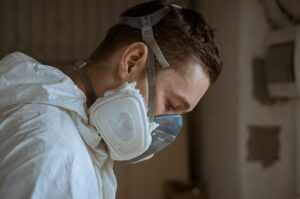
- Equipping certified technicians with proper personal protective equipment (PPE), including full-face respirators with HEPA/organic vapor cartridges, heavy-duty puncture-resistant boots, and protective coveralls.
Knowing what to do immediately after a disaster damages your property protects both your family’s health and your insurance standing. Attempting to enter or clean up a charred, flooded building on your own exposes you to airborne carcinogens, hidden structural collapses, and biohazards.
Structural Assessment and Navigating Insurance Claims
Once the site is secured, an extensive structural assessment begins. Water damage claims average around $10,000, while fire claims average roughly $79,000. Navigating these claims requires detailed cataloging, moisture mapping, and scope-of-work documentation.
Understanding everything you need to know about what a fire restoration company does helps homeowners prepare for the claims adjustment process. Professional restoration specialists work alongside your insurance adjuster, using standardized estimating software to track damaged building materials, contents, and structural restoration needs.
| Recovery Factor | Water Damage Recovery | Fire & Smoke Damage Recovery | Combined Fire & Water Incident |
|---|---|---|---|
| Primary Risk | Mold growth within 24-48 hours | Soot acidity, toxic off-gassing | Structural decay, mold, and acidic soot etching |
| Typical Claim Average | ~$10,000 | ~$79,000 | Variable ($80,000+) |
| Immediate Priority | Water extraction & psychrometric drying | Soot stabilization & emergency board-up | Structural shoring, water extraction, and ventilation |
| Mitigation Duration | 3 to 5 days | 1 to 2 weeks | 1 to 3 weeks |
| Reconstruction Phase | 1 to 3 weeks | Several weeks to months | Several weeks to several months |
Drying, Dehumidification, and Mold Mitigation Protocols
When water is introduced to a structure—whether from burst plumbing or thousands of gallons from fire hoses—the clock starts ticking. Mold spores germinate within 24 to 48 hours in damp environments.
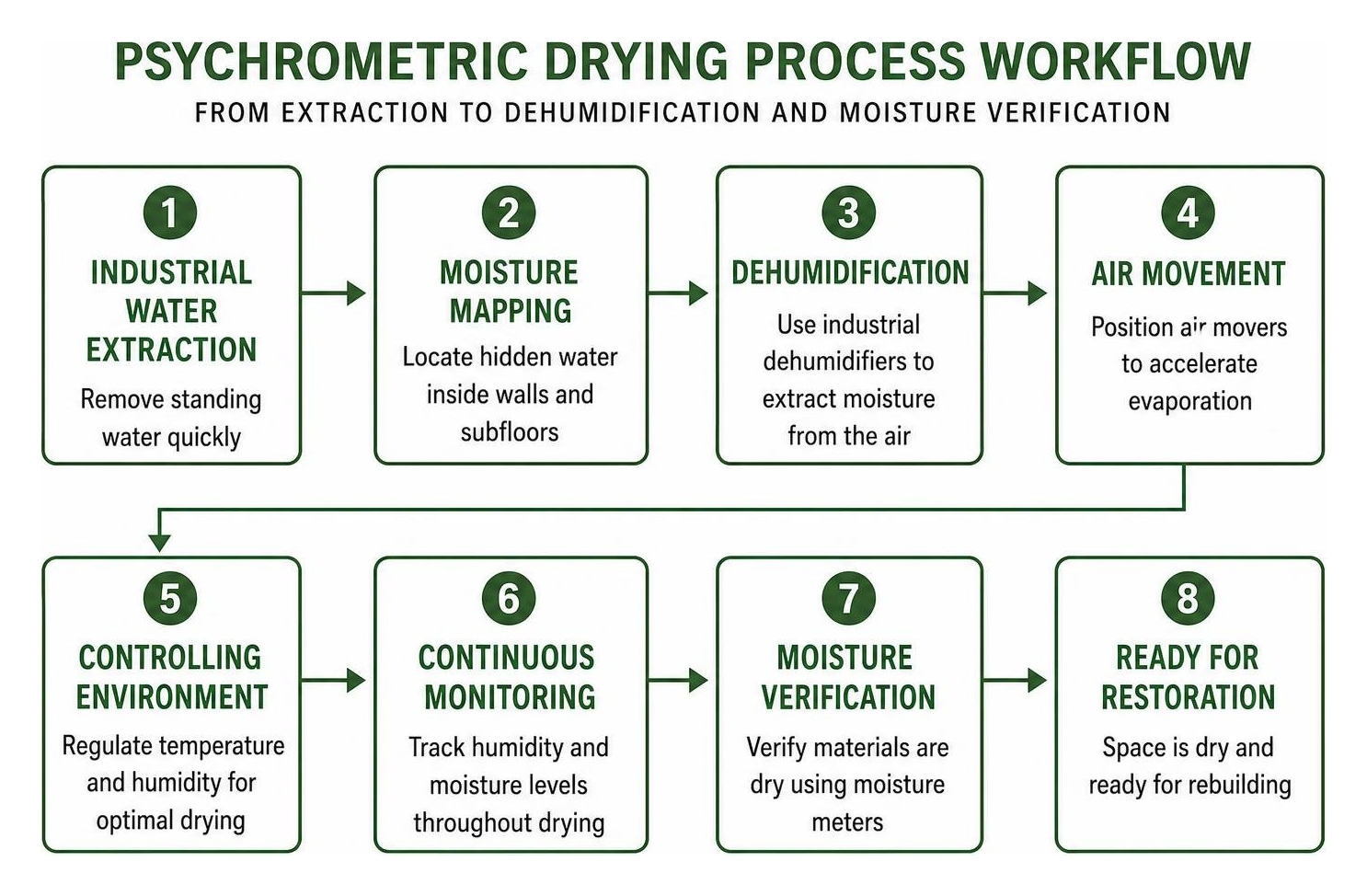
Attempting to dry out a property using household fans or rental shop vacuums is exceptionally difficult and time-consuming. Standard consumer fans simply circulate humid air without extracting moisture trapped behind baseboards, under subfloors, or inside insulated wall cavities. Leaving that moisture behind inevitably leads to toxic mold growth and rotted structural framing.
Certified disaster technicians use advanced psychrometric drying protocols:
- Industrial Water Extraction: High-powered truck-mounted units and submersible pumps remove standing water quickly.
- Moisture Mapping: Infrared thermal imaging cameras and penetrating moisture meters locate hidden pockets of water inside walls and subfloors.
- Air Movement and Dehumidification: Low-grain refrigerant (LGR) or desiccant dehumidifiers paired with high-velocity air movers draw moisture out of rigid structural framing and maintain safe relative humidity levels.
- Antimicrobial Treatment: EPA-registered solutions are applied to inhibit bacterial colonization and mold spores.
Following established home water damage restoration tips means relying on certified extraction equipment rather than manual labor. Reviewing the core 5 steps to cleaning up the water from your home highlights why rapid, commercial-grade moisture extraction is essential for protecting your property value.
Restoring Affected Materials and Long-Term Property Recovery

After standing water is extracted and the structure is completely dry, attention turns toward material restoration and decontamination. Fire produces oily, acidic soot that bonds with surfaces, while high humidity forces smoke odors deep into porous materials.
Material-Specific Fire and Water Damage Recovery Techniques
Different building components react uniquely to fire, heat, and moisture. Trying to wash soot-covered walls or waterlogged floors with standard household detergents often embeds stains deeper, permanently damages delicate finishes, and spreads contaminants.
- Drywall and Insulation: Wet drywall loses its structural integrity quickly. Saturated drywall and fiberglass insulation must be neatly cut away and removed to allow the wall studs to dry completely.
- Hardwood and Subflooring: Hardwood expands and buckles when wet. Commercial rescue mats and targeted drying injectors can pull deep moisture out of hardwood floors, but timing is critical.
- Carpets and Padding: While synthetic carpet can often be sanitized and preserved if affected by clean water, the underlying carpet pad acts like a sponge and generally requires replacement.
- Porous vs. Non-Porous Contents: Non-porous surfaces (glass, metal, sealed stone) can be decontaminated and sanitized. Porous items (mattresses, unsealed wood, paper) exposed to black water or heavy soot often require specialized off-site restoration or disposal.
- HVAC Systems and Odor Neutralization: Smoke travels through ventilation runs. Restoration professionals utilize HEPA air scrubbers, thermal fogging, and hydroxyl generators to neutralize smoke particles at the molecular level rather than merely masking odors.
Timeline Expectations and Professional Restoration Solutions
Every recovery timeline depends on the severity of the loss, the materials affected, and how quickly mitigation begins. A minor clean-water pipe leak may take 3 to 5 days to dry and sanitize, whereas a severe fire with secondary water damage can require several weeks of stabilization, odor removal, and structural rebuilding.
Managing a major disaster on your own is an immense burden. ZBM Inc. is a family-owned, licensed, bonded, and insured company with certified professionals based right in Watertown, WI. We serve homeowners and businesses across Dodge County, Jefferson County, Minocqua, and the wider Northwoods and Southeastern Wisconsin areas. Our certified crews provide comprehensive commercial and residential cleaning, emergency extraction, biohazard remediation, and full-service disaster recovery.
When disaster strikes your property, you do not have to navigate the recovery process alone. Reach out to our experienced local team for certified disaster restoration services in Dodge and Jefferson County to secure your home, protect your health, and restore your peace of mind.