Stop Toxic Mold Before It Spreads Through Your Building
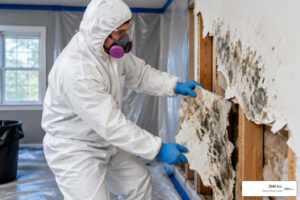
Toxic mold remediation starts with stopping the water, isolating the affected area, removing mold from cleanable surfaces, and discarding materials that cannot be fully cleaned and dried. For a small patch under about 10 square feet, trained occupants can often use gloves, goggles, an N-95 respirator, detergent, and thorough drying. Larger growth, hidden mold, HVAC contamination, sewage, floodwater, or health concerns call for certified professional remediation.
Mold can begin growing within 24 hours of a leak, flood, or condensation problem. A musty odor, stained drywall, peeling paint, warped materials, or repeated allergy and asthma symptoms can all point to a moisture problem that needs attention. The goal is not simply to kill visible mold. It is to remove contamination, prevent spores from spreading, and correct the moisture source so it does not return.
I am Terry Zastrow, owner of ZBM Inc., an IICRC-certified firm with about 30 years of experience supporting public and private facilities with specialized cleaning, safety, and restoration work. Our team brings ongoing OSHA, FEMA Incident Command, and HAZWOPER training to toxic mold remediation projects where careful containment, cleaning, and documentation matter.
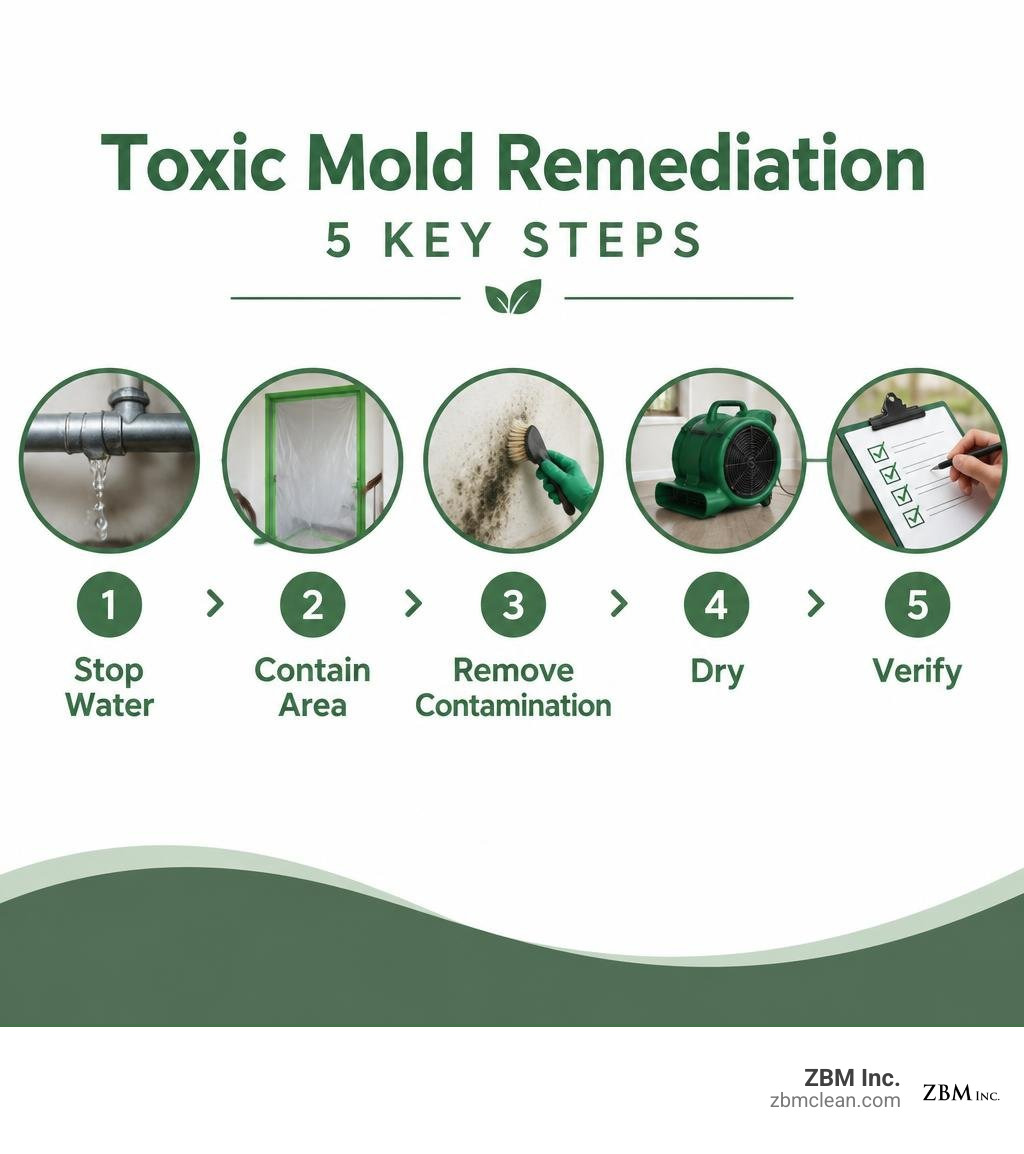
Easy toxic mold remediation word list:
Understanding Toxic Mold and Health Hazards
What Distinguishes Toxigenic Fungi from Common Household Mold?
Every structure contains background levels of ambient fungal spores. Mold fungi are nature’s ultimate recycling crew, but when water intrusion occurs indoors, standard fungal colonies can quickly evolve into hazardous biohazards. Toxigenic molds are distinct from benign strains because they produce chemical byproducts known as mycotoxins. These secondary metabolites are released alongside microscopic fungal fragments and cellular wall components during spore amplification.
Species such as Stachybotrys chartarum, Chaetomium globosum, and specific toxigenic strains of Aspergillus and Penicillium thrive on cellulose-rich substrates like gypsum wallboard, paper facings, and structural subflooring. Because mycotoxins remain potent even after a mold spore dies, simply attempting to neutralize fungal colonies with retail sprays does not eliminate the biochemical hazard. Understanding the differences among these fungal strains is crucial; our guide on identifying the most dangerous types of toxic mold explains how these biohazards interact with indoor living spaces.
Health Risks and Vulnerable Populations
Inhalation or dermal exposure to mycotoxins, glucans, and microbial volatile organic compounds (mVOCs) triggers diverse biological reactions across building occupants. Exposure impacts fall broadly into four physiological categories:
- Allergic Illness: Chronic rhinitis, sinusitis, nasal congestion, and contact dermatitis.
- Irritant Effects: Burning eyes, persistent sore throat, persistent cough, and skin inflammation.
- Infections: Opportunistic fungal infections, primarily threatening immunocompromised individuals.
- Toxic Effects: Systemic immune and inflammatory conditions triggered by prolonged mycotoxin exposure.
Sensitive demographics—including children, the elderly, asthmatics, and individuals diagnosed with Chronic Inflammatory Response Syndrome (CIRS)—experience severe health deterioration in contaminated environments. According to the Wisconsin Department of Health Services mold guidance, physical symptoms frequently present as persistent flu-like conditions, extreme fatigue, and severe asthma exacerbations whenever unmitigated indoor fungal reservoirs exist.
Identifying Mold Growth and Underlying Moisture Sources
Detecting Hidden Mold Without Expensive Air Sampling
Spotting mold before widespread structural damage occurs requires a methodical inspection rather than immediate, costly air quality tests. Short-term air sampling provides merely a transient snapshot and can yield false negatives if spores are currently trapped behind building assemblies. Sensory observation, structural mapping, and documented building history are far more dependable.

Persistent earthy or musty smells are often the first sign that active microbial amplification is taking place. Non-invasive diagnostics like thermal imaging cameras identify evaporative cooling patterns within building assemblies, while calibrated pinless moisture meters locate damp insulation and sheathing. Tools like the NIOSH Dampness and Mold Assessment Tool (DMAT) offer structured scoring frameworks to evaluate building dampness. When colonies take root behind structural finishes, locating hidden mold growth inside wall cavities requires precise diagnostic equipment to prevent contaminating finished living areas.
Controlling Moisture and Relative Humidity
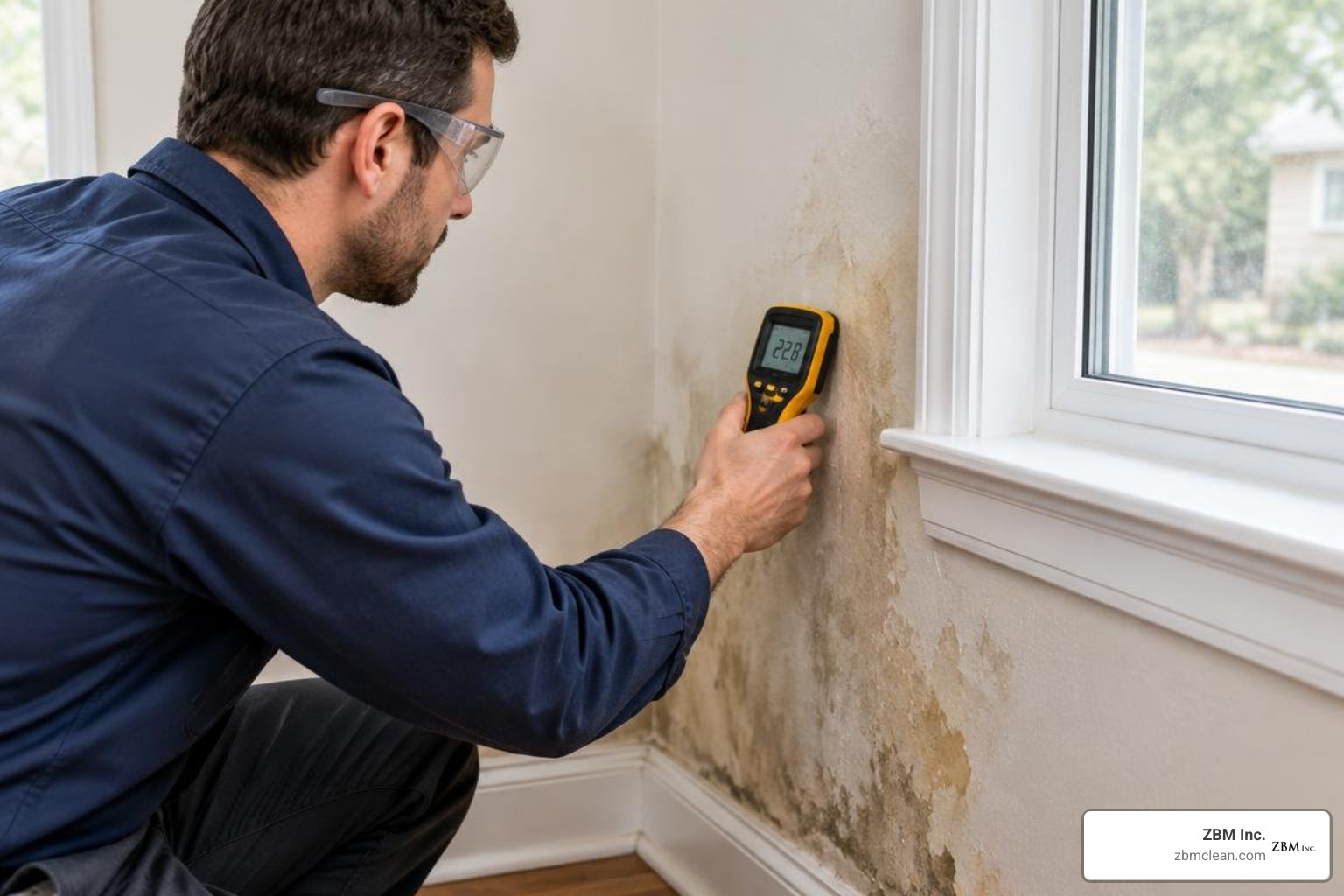
Mold spores require moisture, organic nutrients, and ambient warmth to colonize building materials. Depriving fungi of moisture halts their biological activity. Saturated drywall, framing, or subflooring must be dried within a strict 24-to-48-hour window following an intrusion to prevent active spore propagation.
Maintaining indoor relative humidity below 60%—and ideally within the 30% to 50% target range—prevents condensation on cold exterior walls, structural sill plates, and window frames. Resolving ongoing plumbing drips, insulating cold distribution lines, and regularly inspecting foundation drainage systems are fundamental building envelope maintenance practices that stop fungal amplification at its source.
Step-by-Step Toxic Mold Remediation: Small Areas vs. Professional Protocol
Why DIY Mold Cleanup Often Fails
When surface mold covers a localized area under 10 square feet (roughly a 3-foot by 3-foot section), some property owners consider handling the cleanup themselves. However, attempting DIY remediation on mold-impacted materials is exceptionally labor-intensive and carries substantial risks. Without commercial-grade engineering controls, disturbing fungal growth inevitably launches millions of spores and toxic fragments into your breathing zone. Even with careful effort, DIY methods rarely address hidden moisture sources or deep-seated contamination, leading to recurring growth and ongoing health hazards.
Handling porous building assemblies is far more complicated than it appears. Saturated materials harbor fungal hyphae deep within their structural matrices, making simple surface cleaning ineffective. The table below illustrates why many common building materials cannot be salvaged through DIY efforts and require professional removal.
| Material Type | Salvage Classification | Recommended Remediation Action |
|---|---|---|
| Plywood & Solid Timber Studs | Salvageable | HEPA vacuum, deep mechanical sanding/abrasion, antimicrobial wipe, rapid structural drying. |
| Drywall & Gypsum Board | Non-Salvageable | Controlled cut at least 12–24 inches past visible colonization, double-bag in 6-mil poly, discard. |
| Fiberglass & Cellulose Insulation | Non-Salvageable | Complete removal under negative pressure containment; bag immediately at the source. |
| Glass, Metals, & Glazed Tile | Salvageable | Scrub with neutral detergent, rinse clean, apply EPA-registered biostat, dry thoroughly. |
| Carpeting & Foam Padding | Non-Salvageable (if Category 2/3 water or moldy) | Cut into manageable strips, seal in airtight poly tubing, and dispose of properly. |
Because even minor cleanup mistakes can spread microscopic contamination to clean living areas, partnering with a certified restoration company ensures the infestation is eliminated permanently.
The Critical Flaws of Using Bleach and Ozone Generators
A pervasive misconception in property maintenance is that household chlorine bleach provides an effective solution for mold infestations. In reality, chlorine bleach fails against deep-seated mold on porous substrates like structural timber, unsealed concrete, and drywall. The ionic structure of sodium hypochlorite prevents the chlorine molecule from penetrating porous surfaces; only the water carrier soaks in. This actually feeds the fungal hyphae embedded within the material, leading to rapid regrowth once the surface dries. Furthermore, working with bleach releases toxic chlorine fumes that cause severe respiratory irritation. To stop recurring growth, property owners rely on the secret to killing black mold permanently.
Ozone generators present equally serious hazards. The EPA strongly warns against using ozone generators in occupied spaces. Ozone concentrations high enough to deactivate mold spores far exceed public health safety limits, degrade natural rubber, oxidize synthetic carpet backings, and react with building materials to emit toxic aldehydes and volatile organic compounds. Safe fungal remediation relies on physical removal and structural source drying—never gas-masking or unproven chemical shortcuts.
Professional Standards and Engineering Controls
Advanced Containment and Negative Air Pressure Systems in Toxic Mold Remediation
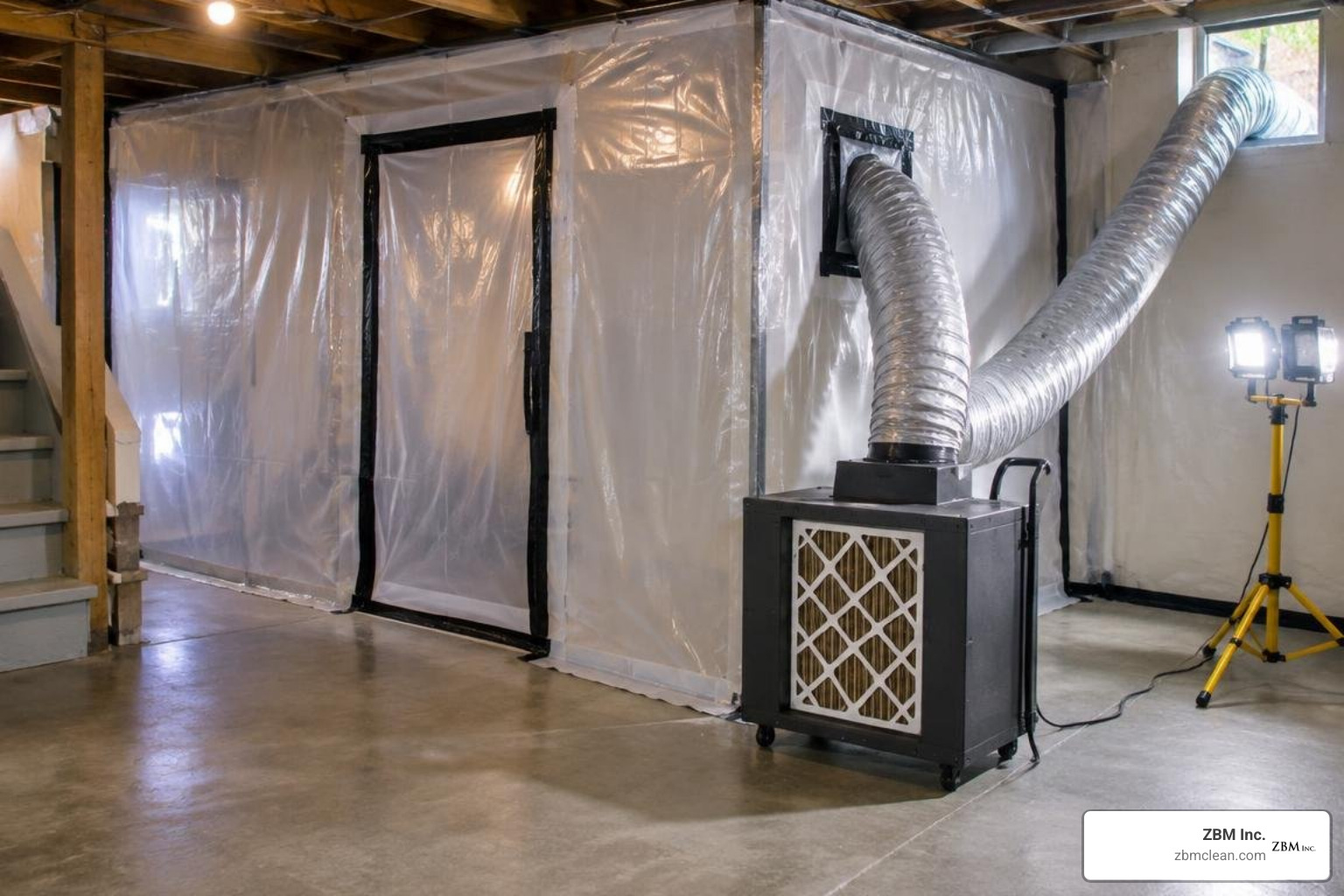
When fungal amplification expands beyond localized surface patches, professional engineering controls are essential to protect the indoor environment. Professional remediators isolate the work area by constructing heavy-duty, 6-mil polyethylene containment barriers over all doorways, service corridors, and ventilation registers.
To guarantee that disturbed particulate cannot escape into clean, occupied zones of the building, the containment zone is placed under continuous negative air pressure. Industrial HEPA-filtered air filtration devices exhaust air outside the structure, establishing a verified pressure differential of 5.0 to 7.0 Pascals. This negative pressure barrier draws clean air into the containment perimeter while preventing contaminated air from migrating outward, strictly adhering to the IEP consensus guidelines on microbial remediation.
Industry Standards: IICRC S520 and EPA Guidelines
Certified restoration projects follow the rigorous scientific criteria established by the ANSI/IICRC S520 Standard and Reference Guide for Professional Mold Remediation and authoritative federal publications. The IICRC S520 professional remediation reference guide defines three distinct indoor environmental conditions:
- Condition 1 (Normal Fungal Ecology): An indoor environment that reflects normal background fungal populations for a similar structure without water intrusion.
- Condition 2 (Settled Spores): An environment contaminated with settled fungal spores or hyphal fragments that were dispersed from an active colony elsewhere.
- Condition 3 (Active Contamination): An indoor surface exhibiting visible, active fungal growth along with colonizing hyphae and mycotoxin production.
Remediating Condition 3 contamination requires comprehensive protective controls, including powered air-purifying respirators (PAPRs), full-body protective suits, and heavy-duty disposal practices outlined in the EPA mold remediation standards. Non-salvageable waste must be misted, sealed inside 6-mil polyethylene bags within the containment zone, wiped down, and vacuumed before transport through the clean living areas. Reviewing the IICRC R520 reference guide confirms why professional protocols are vital for protecting building occupants and structural equity.
Special Remediation Scenarios: Hidden Cavities, HVAC, and Flooding
Remediating Contaminated HVAC Ductwork and Wall Voids
HVAC systems pose one of the highest contamination risks in residential and commercial properties. When fungal growth reaches air handlers, evaporator coils, or internal duct lining, the mechanical airflow rapidly distributes mycotoxins and viable spores throughout every room. Cleaning complex mechanical duct systems requires specialized extraction gear, negative-pressure collection units, and biostatic treatments; discover our expert methods for eliminating mold from home HVAC duct systems.
Contaminated porous fiberglass duct wrap cannot be effectively sanitized and must be removed under strict containment. Similarly, wall voids with hidden fungal colonies require controlled opening, complete removal of contaminated framing insulation, HEPA vacuuming of raw timber framing, and application of broad-spectrum biostats. For structural framing, property owners turn to the best ways to kill black mold on wood instantly to restore structural integrity without compromising air quality.
Addressing Category 3 Sewage and Floodwater Intrusions
Water intrusion events involving river flooding, ground surface runoff, or municipal sewer backups are classified as Category 3 (blackwater) biohazards. Floodwaters introduce high concentrations of enteric pathogens, heavy metals, industrial chemicals, and rapid-amplification mold species into building assemblies.
Remediating Category 3 contamination requires professional biohazard containment protocols. All porous materials that absorb contaminated water—including drywall, insulation, subflooring, and millwork—must be stripped and safely disposed of. Technicians then apply broad-spectrum antimicrobials, complete multi-stage structural cleanings, and run commercial desiccant dehumidifiers. Homeowners and commercial facility managers rely on comprehensive professional mold abatement services to ensure their properties are completely restored and safe for occupancy.
Post-Remediation Verification and Clearance Testing
A remediation project is not complete the moment the containment barriers are set to come down. Post-Remediation Verification (PRV), commonly known as clearance testing, provides verifiable confirmation that the structure has been returned to a safe Condition 1 status. Conducted prior to removing containment walls, PRV involves multiple assessment steps:
- Rigorous Visual Assessment: A meticulous white-glove inspection confirms zero remaining dust, debris, microbial staining, or fungal residue inside the containment zone.
- Moisture Diagnostics: Moisture readings on all structural framing members must match predetermined dry standards (typically below 15% wood moisture equivalent).
- Comparative Air Quality Analysis: An independent Indoor Environmental Professional (IEP) gathers baseline outdoor samples alongside internal containment samples to verify that indoor spore counts and genus distributions match or fall below outdoor ambient levels.
Investing in rigorous verification protects your property against recurring fungal damage; review our comprehensive breakdown on understanding mold abatement costs and professional scopes to see what a complete remediation protocol includes.
Frequently Asked Questions About Mold Cleanup
How do I know if the mold in my home is toxic without testing?
You cannot identify toxigenic mold strains strictly by visual inspection, as many harmless fungal species present identical dark green, black, or powdery gray pigments. However, if you observe extensive dark colonization in an area with a history of leaks, detect an earthy or rotting smell, and notice occupants developing headaches, upper respiratory irritation, or skin rashes, you should treat the contamination as a potential biohazard. Rather than spending money on retail home test kits that offer limited actionable data, have a certified professional evaluate the moisture source and the extent of contamination.
Can I simply paint or caulk over moldy surfaces?
No. Applying standard paint, primer, or silicone caulk over active mold colonies never cures the issue. Fungal hyphae quickly push through paint layers, using the moisture trapped beneath the coating to feed on drywall paper and structural wood framing. The trapped moisture inevitably causes the paint to bubble, crack, and peel away, while structural rot quietly spreads underneath. All mold growth must be physically removed, the substrate sanitized and dried, and the moisture source eliminated before applying any mold-resistant sealants.
What should I do if mold covers more than 10 square feet?
When mold contamination spans more than 10 square feet, attempting to clean it without professional engineering controls risks spreading millions of airborne spores throughout your home or facility. Immediately shut off your HVAC system to prevent drawing spores into the ductwork, close all interior doors leading to the affected room, and avoid disturbing the fungal colonies. Contact a certified remediation contractor to erect negative-pressure containment barriers and safely remove the contaminated assemblies in line with IICRC S520 and EPA protocols.
Conclusion
Uncontrolled mold amplification poses severe risks to indoor air quality, building structural integrity, and occupant health. Because fungal colonies take root within 24 to 48 hours of water intrusion, addressing dampness promptly is the only way to safeguard your property. While small surface spots on non-porous materials can occasionally be wiped away, extensive, deep-seated, or toxigenic mold requires advanced engineering controls, negative-pressure isolation, and proper structural disposal.
At ZBM Inc., our team brings decades of certified restoration and biohazard cleanup experience to commercial and residential facilities across Watertown, Jefferson County, Dodge County, and communities throughout Southeastern Wisconsin and the Northwoods. As a licensed, bonded, insured, and certified restoration contractor, we provide complete containment, detailed moisture remediation, and verified clearance procedures to ensure your indoor spaces remain healthy. Request an expert toxic mold inspection and biohazard remediation service today to protect your indoor air quality and restore your property with confidence.