Mold in Drywall Removal: Clean It or Replace It?
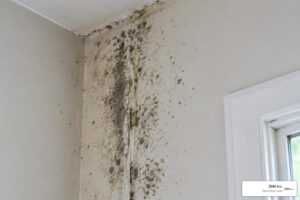
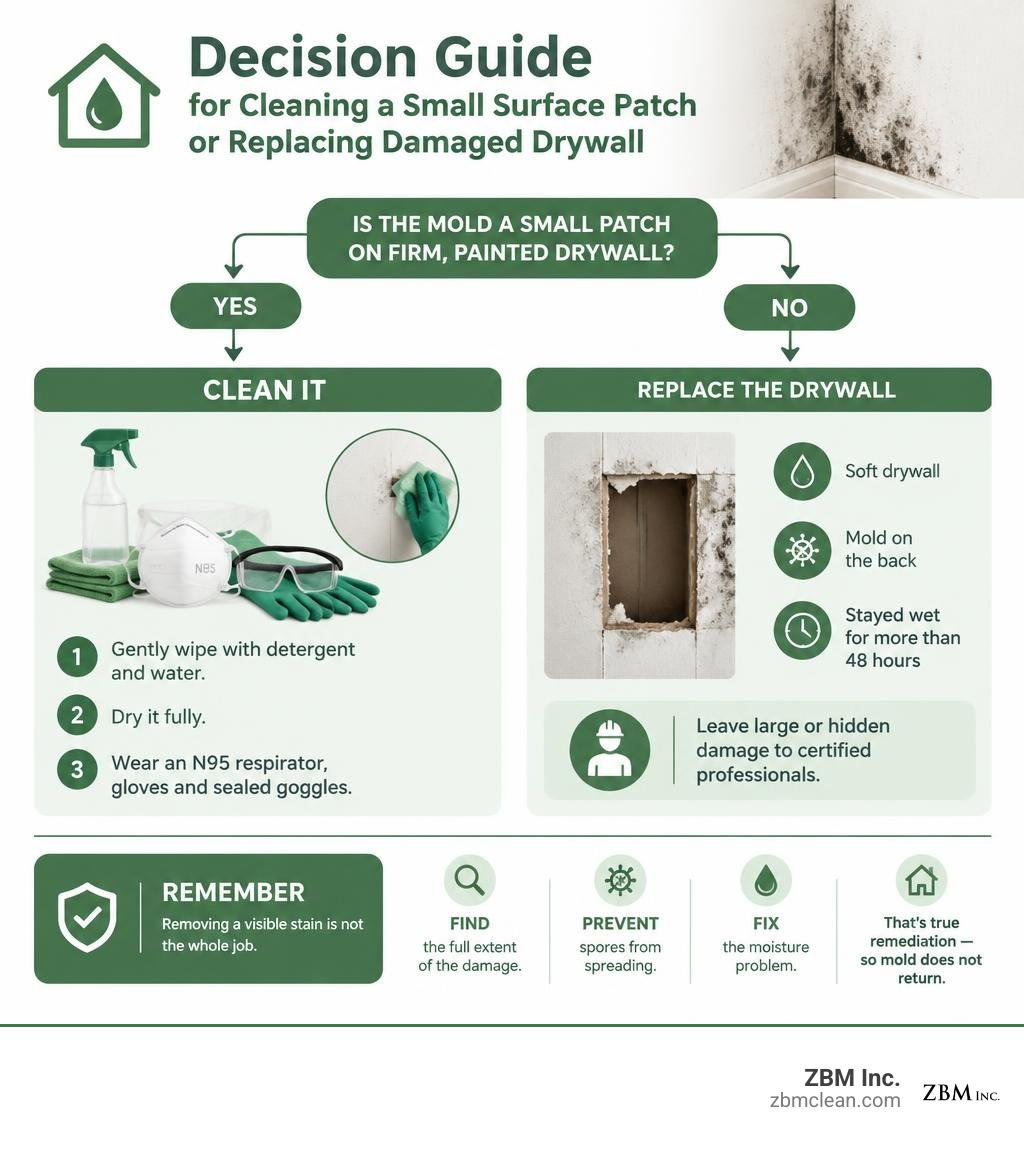
For mold in drywall removal, the first step is always stopping the moisture source. Understanding whether the affected drywall can be salvaged—or must be replaced—depends on the extent of the damage, the condition of the gypsum core, and how long the material stayed wet. A small, cosmetic stain on painted drywall can sometimes be addressed, but mold removal from drywall becomes a structural replacement project whenever the board is soft, has mold on the back, or remained saturated for more than 48 hours. Large or hidden damage should be left to certified professionals.
Removing a visible stain is not the whole job. Remediation also means finding the full extent of the damage, preventing spores from spreading, and fixing the moisture problem so mold does not return.
I’m Terry Zastrow, owner of ZBM Inc., an IICRC-certified firm with about 30 years of experience in cleaning and disaster recovery. My technician certifications and safety training inform this guide to mold in drywall removal.
Simple mold in drywall removal glossary:
Critical Factors in Professional Mold in Drywall Removal
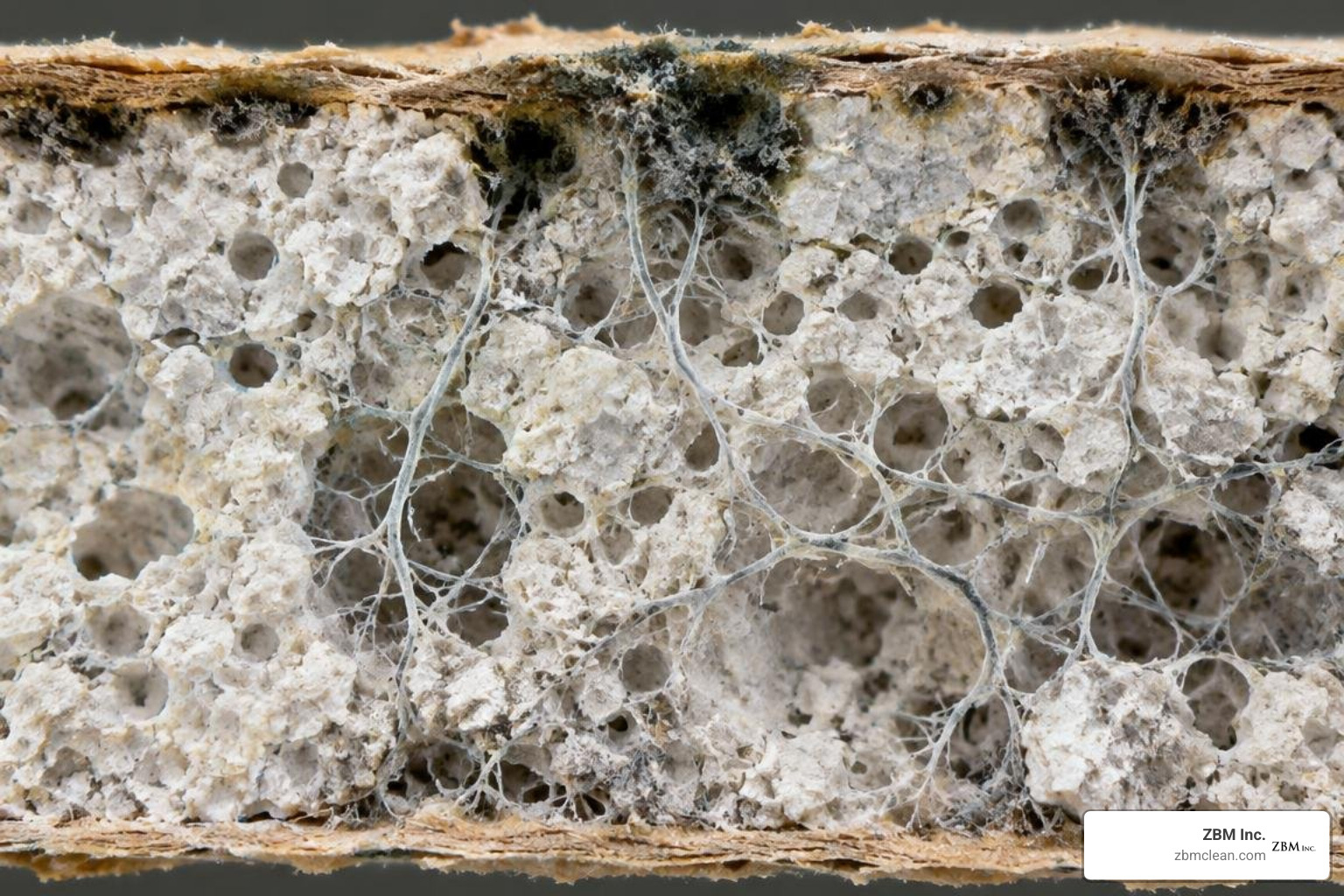
Roughly 47% of American homes show signs of active mold growth or carry that telltale musty odor. When dealing with gypsum wallboard, time is your biggest enemy. If porous building materials remain damp for longer than 48 hours, active fungal growth takes hold deep within the paper backing and the porous gypsum core.
Industry remediation standards categorize mold projects based on square footage and severity. Level 1 remediation involves small, localized contamination under 10 square feet. Level 2 remediation covers areas between 10 and 30 square feet, while extensive contaminations exceeding 30 to 100 square feet require comprehensive engineering controls and unoccupied containment zones. According to EPA disaster cleanup guidelines, any porous materials like drywall, ceiling tiles, and fiberglass insulation that remain saturated cannot simply be scrubbed clean—they must be removed and properly discarded.
The biggest danger is assuming that the surface tells the whole story. What looks like a dime-sized smudge often conceals hidden fungal colonies within wall cavities, where moisture from leaky plumbing, roof intrusions, or basement seepage feeds an unseen colony. Certified technicians use calibrated penetrating and non-penetrating moisture meters along with thermal imaging to map moisture migration inside walls before any physical work begins.
Surface Stains vs Structural Colonization: Assessing Mold in Drywall Removal Needs
Drywall consists of a gypsum plaster core pressed between thick sheets of cellulose-rich paper. Because cellulose is a primary food source for mold spores, an unpainted or saturated drywall sheet provides the ultimate buffet. When fungal spores land on moist paper, microscopic root-like structures called hyphae rapidly penetrate straight into the core.
Wiping the painted outer layer might remove cosmetic discoloration, but it leaves these roots intact. Over time, recurring growth causes:
- Paint bubbling, peeling, and wallpaper delamination
- Structural softening, crumbling, and sagging
- Hidden rot spreading across internal wall studs and sill plates
According to established MOLD REMEDIATION PROCEDURE guidelines, porous drywall that has lost structural integrity or experienced deep fungal colonization cannot be salvaged. Structural removal and full replacement are necessary to maintain indoor air quality and protect the building framework.
Health Risks and Equipment Gaps in DIY Mold in Drywall Removal
Disturbing moldy wallboard without professional-grade containment releases millions of mycotoxins and microscopic spores into your indoor air. For individuals with asthma, COPD, mold allergies, or suppressed immune systems, breathing these airborne irritants can trigger severe respiratory flare-ups. The CDC cleanup safety standards specifically warn that high-risk individuals should never handle mold cleanup tasks.
Attempting to tackle drywall removal without specialized equipment creates massive cross-contamination risks. Basic household dust masks offer inadequate filtration compared to NIOSH-approved half-face or full-face P100 respirators. Without sealed negative air machines, cutting open a contaminated wall simply spreads airborne spore dispersal hazards through your HVAC ductwork and across unaffected living areas.
The Complete Remediation Protocol for Contaminated Gypsum Board
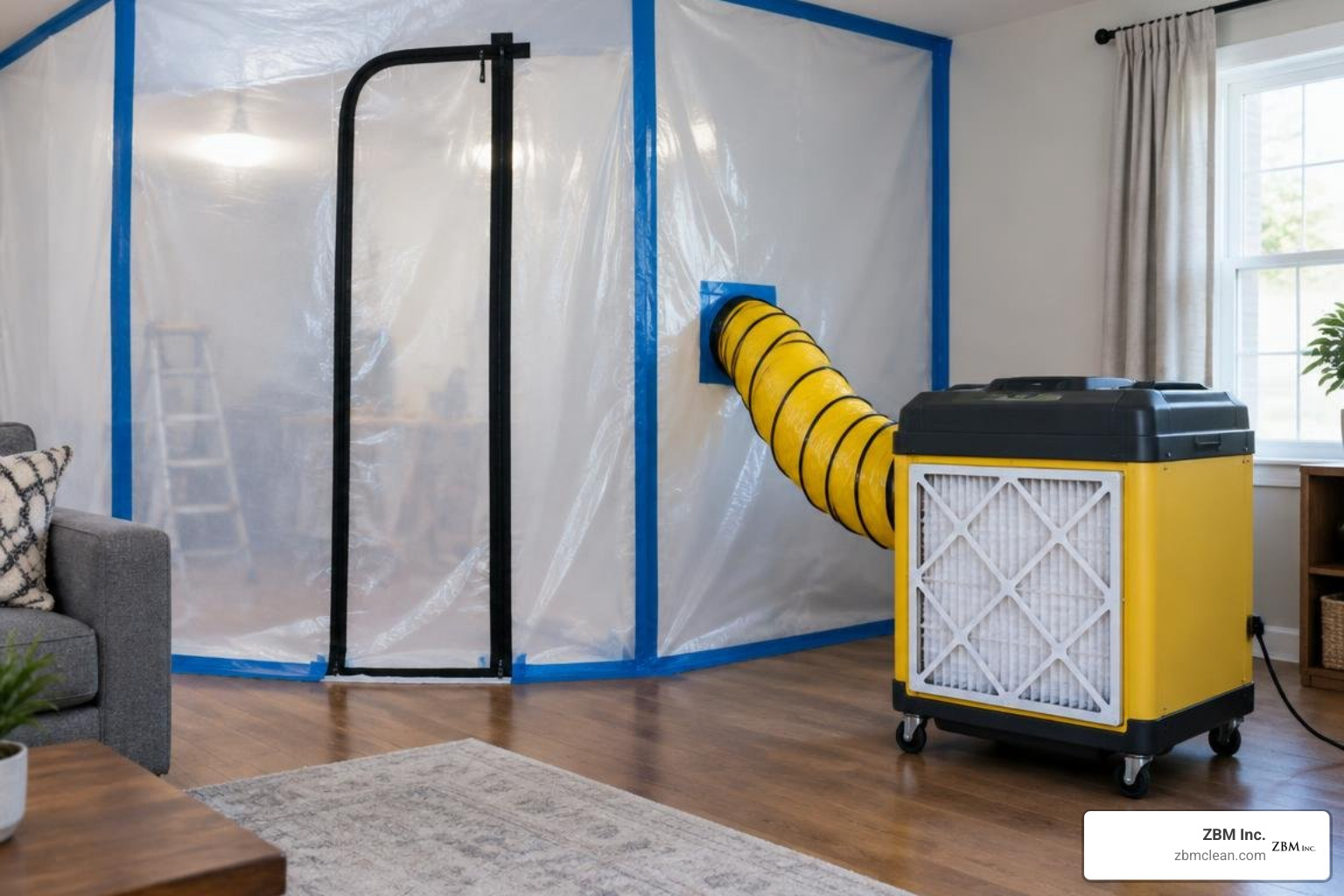
Certified remediation professionals follow strict multi-step containment procedures to protect your property during demolition:
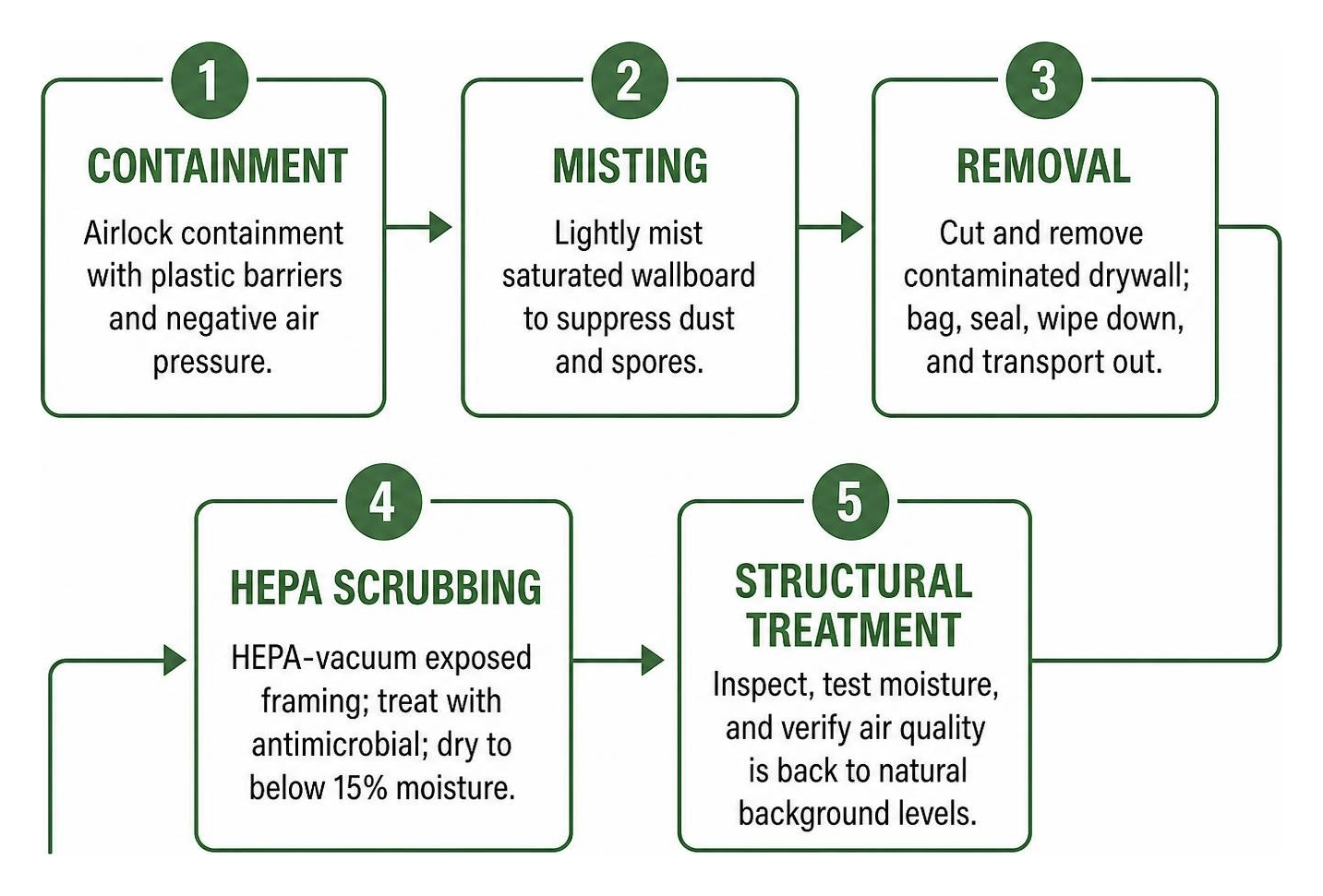
- Airlock Containment: Technicians erect heavy 6-mil polyethylene plastic barriers around the workspace and establish negative air pressure using industrial HEPA filtration units.
- Dust-Suppression Misting: Saturated wallboard is lightly misted with water before cutting to prevent dry fungal spores from floating into the air.
- Sealed Disposal: Contaminated drywall is cut into manageable sections, immediately placed into heavy-duty 6-mil bags, sealed, wiped down, and transported out under strict OSHA cleanup safety controls.
- Structural Framing Treatment: Exposed wall studs and joists are HEPA-vacuumed, treated with EPA-registered antimicrobial fungicides, and dried to below 15% wood moisture content.
- Post-Remediation Verification: Technicians conduct thorough visual inspections, hygrometry testing, and post-clearance air checks to ensure spores have returned to natural background levels.
Choosing Certified Remediation Experts to Protect Your Home
Tackling drywall demolition alone is physically demanding, messy, and hazardous. Homeowners who try DIY cleanup often find themselves renting costly dehumidifiers, buying expensive personal protective gear, and spending days cutting and bagging drywall—only to discover that mold returns weeks later because underlying structural framing was never properly treated.
| Factor | DIY Surface Cleaning | Certified Professional Remediation |
|---|---|---|
| Scope of Treatment | Surface wiping only; leaves core hyphae | Full removal, cavity decontamination, stud treatment |
| Spore Containment | Spores disperse throughout living spaces | 6-mil plastic barriers and negative air HEPA scrubbers |
| Hidden Leak Detection | Guesswork and visual checks | Infrared thermography and digital moisture meters |
| Safety & Air Quality | High risk of inhalation and contamination | Complete containment, P100 protection, verified clearance |
| Recurrence Risk | Extremely high due to lingering moisture | Minimized through structural drying and antimicrobial barriers |
Consulting our mold remediation cost breakdown helps you weigh the real expenses of rented machinery, safety gear, and replacement drywall against professional service. Discover why professional services ensure lasting results when safeguarding your home investment and family health.
Evaluating Contractor Qualifications and Diagnostic Capabilities
When selecting a contractor, ensure they follow the Institute of Inspection, Cleaning and Restoration Certification (IICRC) S520 Standard for Professional Mold Remediation. A qualified contractor uses advanced diagnostic equipment:
- Infrared Thermography: Pinpoints hidden cold spots and moisture tracks behind solid walls.
- Calibrated Hygrometers: Accurately measures relative humidity and ambient dew points.
- Detailed Documentation: Provides clear moisture mapping, scope-of-work plans, and photographic evidence essential for homeowners insurance claims.
Before scheduling work, review our advice on hiring certified mold specialists who hold active licenses, liability insurance, and formal biohazard certifications.
Long-Term Moisture Defense and Professional Restoration
Eliminating the visible fungus is only half the battle; maintaining indoor relative humidity below 50% is critical to prevent dormant spores from germinating. Certified remediation teams deploy commercial-grade desiccant or LGR dehumidifiers to pull trapped moisture from structural framing, followed by applying specialized antimicrobial barrier primers to raw framing lumber before new drywall goes up.
Our certified team at ZBM Inc. delivers complete biohazard remediation, water damage restoration, and structural drying across Watertown, WI, Jefferson County, Dodge County, and throughout Southeastern Wisconsin. When you notice persistent musty smells or widespread wall discoloration, protect your home by identifying biohazard risks and booking certified remediation with our experienced specialists today.