How Professional Mold Removal From Wood Protects Your Property
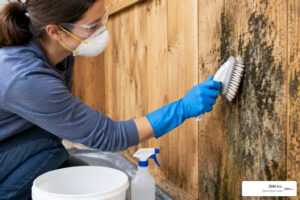
Mold on wood is rarely just a surface problem. Wet wood can develop mold within 24 to 48 hours, and once fungal growth takes hold, it can spread into the grain and compromise structural materials. A small patch may look manageable, but without addressing the moisture source and evaluating how far the growth has traveled, cleaning attempts often leave the underlying problem intact.
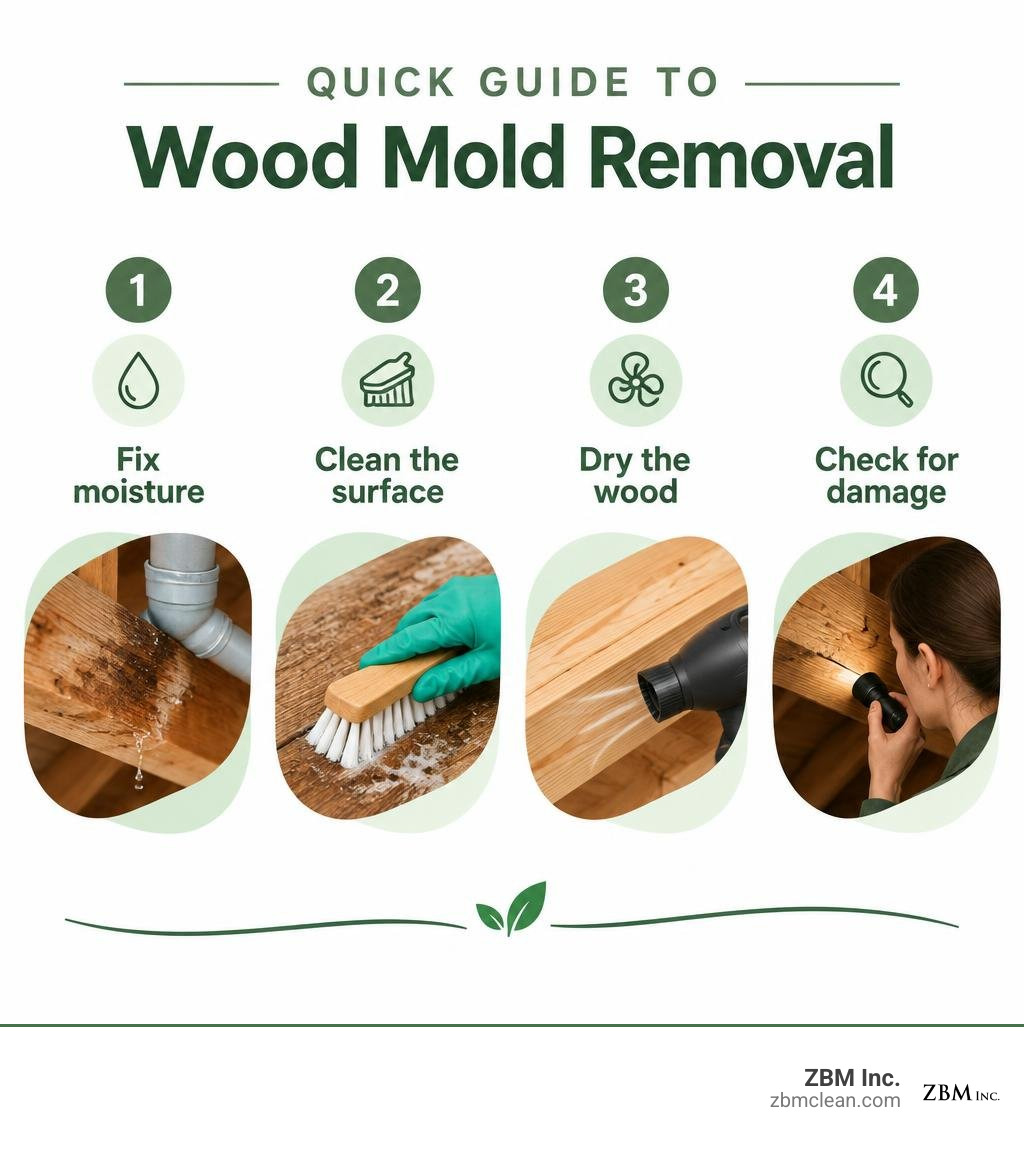
Professional mold removal from wood starts with identifying the moisture source, containing the affected area, and determining whether the material can be restored or needs replacement. Certified technicians use moisture meters, HEPA air scrubbers, and commercial-grade antimicrobial treatments that reach beyond the visible surface. If the wood feels soft, the mold keeps returning, or the affected area is larger than about 10 square feet, a professional assessment is the safer route.
I’m Terry Zastrow, owner of ZBM Inc., an IICRC-certified firm with nearly 30 years of experience in cleaning and restoration work. I’ll explain what professional mold removal from wood involves, when cleaning is not enough, and how to evaluate a remediation company.
Mold removal from wood resources:
Assessing Depth and Executing Professional Mold Removal From Wood
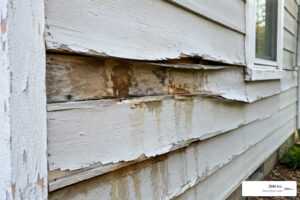
When fungal colonies establish themselves on building materials or furniture, the underlying problem goes beyond cosmetic discoloration. Fungi actively consume organic cellulose, breaking down the material from the outside in. Attempting to address this without understanding how far the growth has traveled can leave hidden structural decay intact.
To determine whether the timber remains sound, professionals evaluate core decay using physical resistance tests and calibrated moisture meters. A reliable diagnostic technique involves probing the material with a flathead screwdriver. If the tool sinks more than 1/4 inch into the grain with minimal effort, the cellular matrix has softened. Internal moisture content must also be measured; wood holding more than 15% moisture creates an active feeding ground for fungi. These are assessments best performed by trained technicians who know how to interpret the results without causing further damage.
Determining Surface Hyphae vs. Deep Penetration
Differentiating between light surface bloom and deep structural colonization determines whether a surface can be restored or must be removed. In its earliest stages, growth sits atop the surface as loose powdery spores. However, because timber is inherently porous, these organisms develop microscopic root systems known as hyphae that extend into the vascular network of the grain.
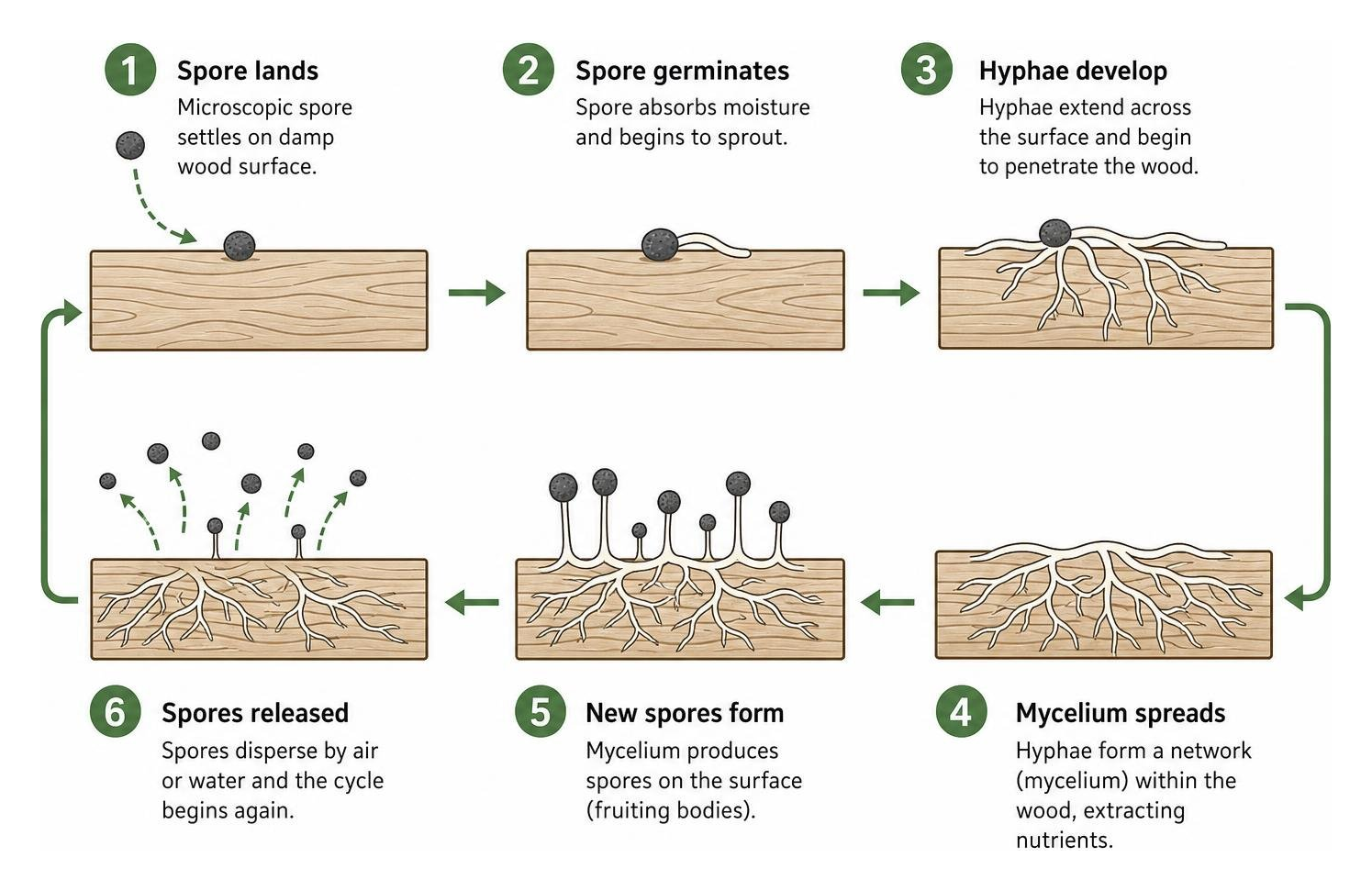
Understanding fungal taxonomy and structure helps explain why surface wiping frequently fails. If hyphae have infiltrated deep cellular channels, topical wiping removes only the visible fruiting body while leaving the root network alive. When dealing with complex structural infestations, property owners often find that how to handle mold removal and repair requires specialized containment and commercial-grade fungicides to neutralize organisms beneath the visible surface.
Professional Treatment Approaches: Sealed vs. Unfinished Surfaces
The approach to treating timber depends on whether the surface is sealed with polyurethane, painted, or comprised of raw, unfinished lumber. Finished coatings create a semi-protective barrier that keeps hyphae on the exterior coat. In contrast, raw structural studs and subfloors absorb moisture instantly, allowing roots to penetrate deep into the fibers.
Many homeowners turn to household chlorine bleach, assuming it provides a permanent fix. In reality, chlorine molecules have high ionic surface tension that prevents them from penetrating porous materials. The chlorine stays on the surface while the water carrier soaks directly into the grain, inadvertently feeding the living roots beneath. Instead, professional remediation relies on penetrating antimicrobials, diluted borate solutions, or commercial formulations designed to reach root systems without excessive moisture.
| Treatment Agent | Surface Penetration | Moisture Impact on Grain | Long-Term Efficacy |
|---|---|---|---|
| Household Chlorine Bleach | Extremely poor (surface only) | High water content feeds deep hyphae | Low; often leads to rapid regrowth |
| Distilled White Vinegar | Moderate | Mild acidity penetrates shallow grain | Moderate for minor, non-structural spots |
| 3% Hydrogen Peroxide | Moderate | Breaks down into oxygen and water | Good for surface lifting; limited on deep rot |
| Commercial Borate / Fungicides | Deep penetration | Formulated for low moisture retention | High; inhibits future cellular germination |
Handling these chemical applications independently is exceptionally time-consuming and often fails to extract the root systems entirely. To resolve persistent infestations safely, property owners often consult the best ways to kill black mold on wood instantly through licensed remediation teams who deploy commercial-grade antimicrobial agents.
Safe Sanding Protocols for Professional Mold Removal From Wood
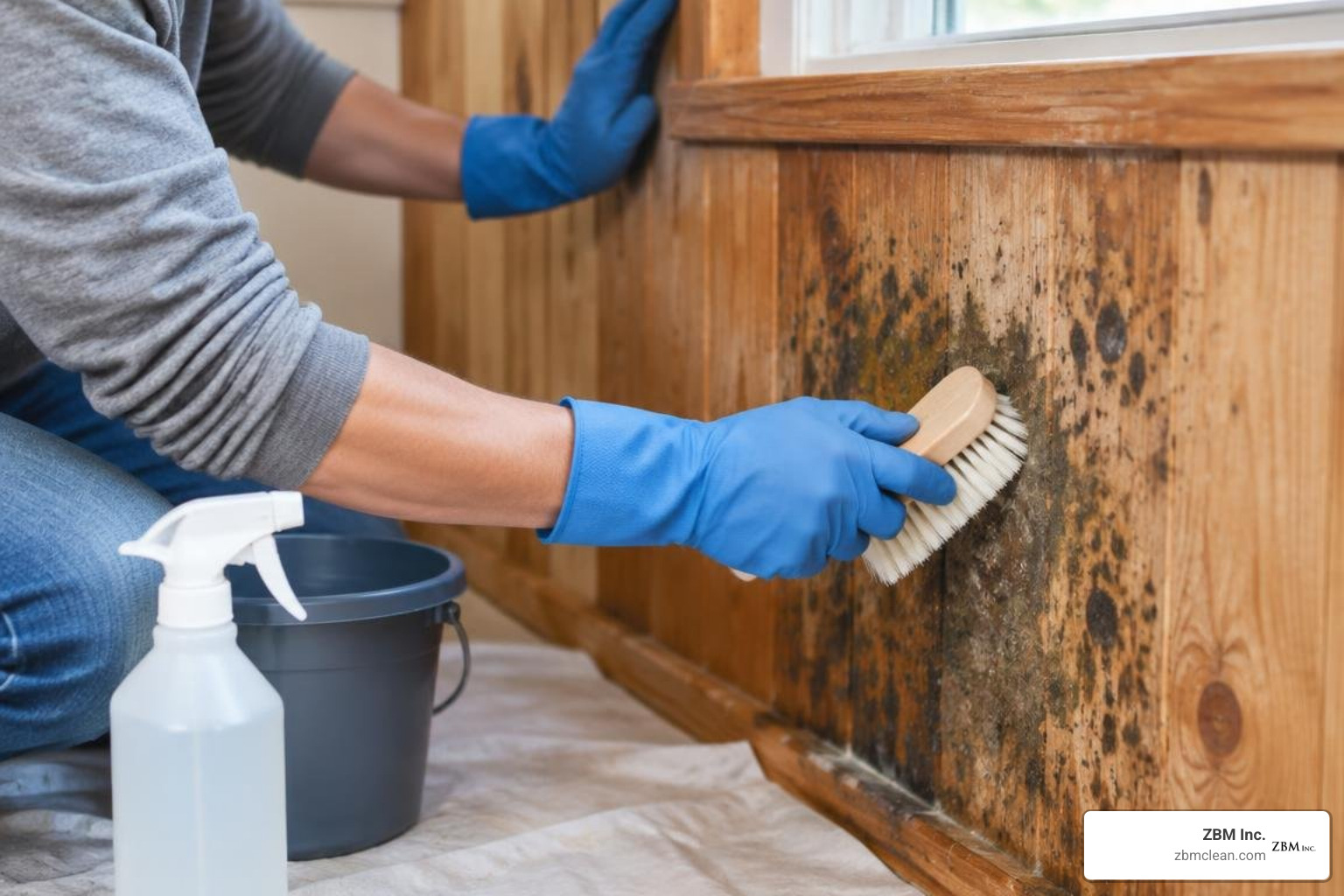
When dark staining remains embedded in raw lumber after chemical neutralization, physical abrasion through sanding is often utilized to expose sound timber. However, dry-sanding without specialized containment presents serious contamination risks. Abrading moldy timber aerosolizes millions of microscopic particulates, spreading them across living areas and heating, ventilation, and air conditioning systems.
Certified remediation crews follow strict containment protocols:
- Technicians isolate the workspace under negative air pressure using HEPA air scrubbers.
- Full personal protective equipment is required, including NIOSH-approved P100 respirators, nitrile gloves, and sealed eye protection.
- Sanding with 180-grit abrasive pads is performed strictly along the grain, integrated directly with point-of-source HEPA vacuums that capture 99.97% of particulates down to 0.3 microns.
- All captured residue is double-bagged and removed as hazardous waste.
Attempting to sand contaminated framing without commercial dust-capture machinery often causes widespread cross-contamination. Reviewing our step-by-step guide to toxic mold cleanup illustrates why controlled containment is essential before disturbing dry fungal colonies.
When to Replace, Seal, and Call Professionals for Wood Mold
Evaluating whether structural materials can be rehabilitated or must be discarded requires calculating structural load-bearing capacity and material degradation.
Structural Integrity: Cleaning vs. Wood Replacement
When timber loses its density and turns spongy or “punky,” cleaning alone cannot restore structural integrity. If structural framing has lost more than 15% to 20% of its cross-sectional mass, or if decay penetrates more than 50% of a critical load-bearing beam, structural reinforcement or total replacement becomes mandatory.
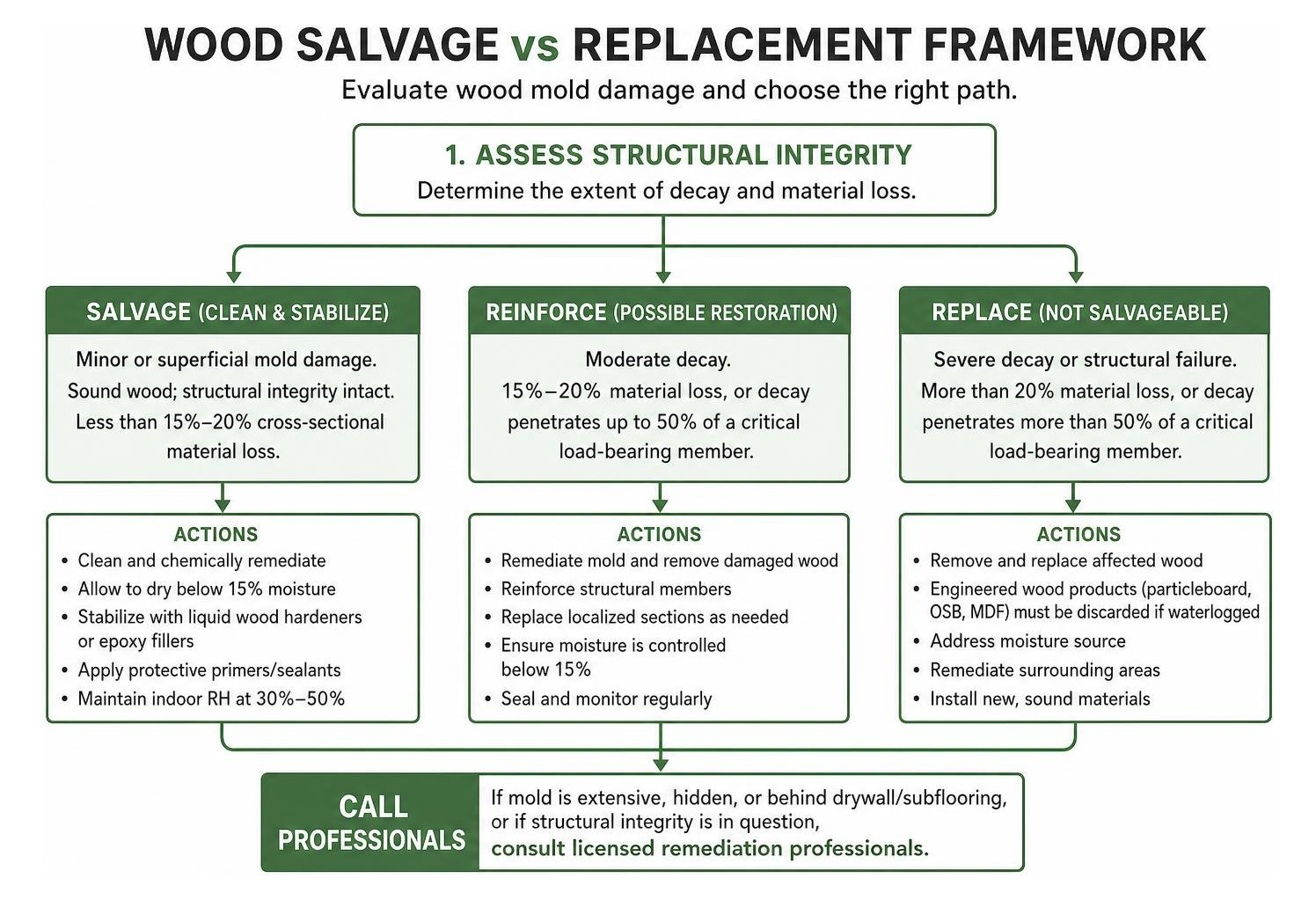
While sound timber with minor superficial loss can sometimes be stabilized using liquid wood hardeners and epoxy fillers, engineered products such as particleboard, oriented strand board (OSB), and medium-density fiberboard (MDF) cannot be salvaged once waterlogged. These composite materials delaminate rapidly and must be removed and discarded. When contamination spreads behind drywall or beneath subflooring, the scary truth about mold hiding inside your walls is that hidden colonies will continue degrading framing unless uncovered by trained professionals.
Moisture Control, Sealing, and When Remediation Requires Experts
Once the timber has been thoroughly remediated and dried to an internal moisture level below 15%, applying protective coatings provides an added defense. Specialized primers form a durable barrier against ambient humidity. Reviewing the top mold-resistant coating options for long-lasting moisture defense can help you select appropriate sealers for crawlspaces, basements, and framing. However, coatings do not replace active environmental control; indoor relative humidity must consistently remain between 30% and 50% to prevent spores from reactivating.
According to Environmental Protection Agency (EPA) standards, any contamination covering an area larger than 10 square feet requires professional remediation. Certified professionals utilize industrial dehumidifiers, commercial HEPA air scrubbers, and strict biohazard containment to eliminate infestations without spreading spores into clean living areas.
At ZBM Inc., our licensed, bonded, and insured team provides certified biohazard remediation, disaster recovery, and structural cleaning across Watertown, Dodge County, Jefferson County, Lake Mills, Southeast Wisconsin, and the Northwoods around Minocqua. Understanding the 5 types of toxic mold: why you need biohazard cleanup highlights why severe contamination demands certified care. Instead of risking your property’s structural health or breathing hazardous particulates during difficult cleaning attempts, contact ZBM Inc. to schedule a comprehensive assessment with our restoration experts.