Complete Guide to Basement Flooding Clean Up Near Me
When water enters your lower level, standing water immediately begins attacking structural integrity. Water does not simply sit on concrete; it travels outward and upward through framing, drywall, and insulation through capillary action. Every hour that passes increases the severity of the loss and the complexity of the restoration. According to the Federal Emergency Management Agency, mold can begin growing on damp surfaces within 24 to 48 hours, making professional basement flooding clean up near me essential to halt structural rot and hazardous contamination.
Professional restoration begins with identifying the category of water intrusion under industry standards:
- Category 1 (Clean Water): Originates from a sanitary source such as broken supply lines or falling rainwater. If left untreated for over 48 hours, it degrades rapidly into Category 2.
- Category 2 (Gray Water): Contains significant contamination from sources like washing machine overflows, sump pump failures, or dishwasher backups, carrying potential microbial hazards.
- Category 3 (Black Water): Highly unsanitary water containing pathogenic agents, sewage backup, or rising surface water from outdoor storm flooding. This requires specialized biohazard containment, personal protective equipment (PPE), and controlled demolition.
Because contamination levels dictate safety protocols and structural drying strategies, finding reliable water damage restoration services in your neighborhood fast is essential to protecting your property and health.
Primary Causes and Immediate Signs You Need Basement Flooding Clean Up Near Me
Basement flooding occurs across Southeastern Wisconsin due to heavy seasonal rains, rapid snowmelt, and high water tables. Recognizing the underlying cause helps determine the correct remediation strategy:
- Sump Pump Failure: Mechanical breakdown, switch failure, or power outages during severe storms can overwhelm primary pumps within minutes. We frequently resolve sump pump failures and property restoration issues across Watertown and surrounding communities.
- Hydrostatic Pressure & Foundation Cracks: Saturated soil outside basement walls exerts tremendous force, driving groundwater through hairline cracks and floor joints.
- Burst Pipes & Plumbing Failures: Frozen pipes or ruptured water heater tanks can release hundreds of gallons of pressurized water in hours.
- Municipal Sewer Backups: Overloaded storm systems can force raw sewage back up through basement drains, creating an urgent biohazard scenario.
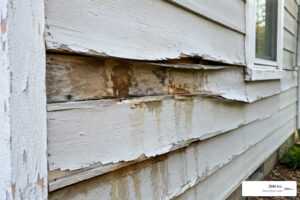
Signs of hidden basement water damage include persistent musty odors, drywall discoloration, peeling paint along baseboards, and warping floorboards. Certified technicians follow IICRC S500 water damage restoration standards to address both obvious standing water and moisture trapped deep inside building materials.
The Step-by-Step Professional Basement Flooding Clean Up Near Me Process
Attempting to resolve basement water intrusion with residential tools is exhausting, time-consuming, and frequently leaves deep structural moisture behind. Professional crews deploy specialized industrial systems to remediate water efficiently and thoroughly.
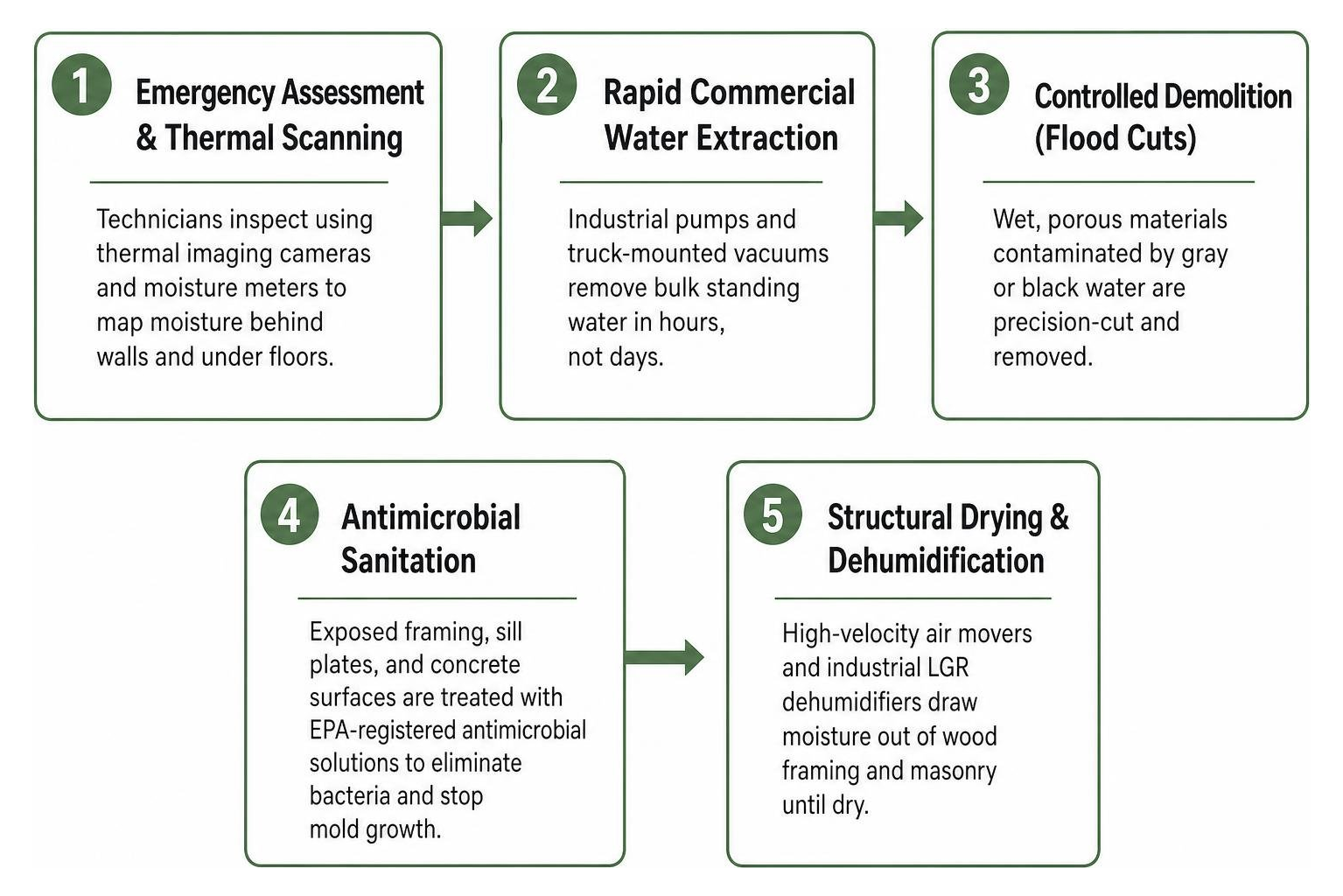
- Emergency Assessment & Thermal Scanning: Technicians inspect the space using non-invasive thermal imaging cameras and calibrated pin and pinless moisture meters to map moisture migration behind finished walls and beneath subfloors.
- Rapid Commercial Water Extraction: Submersible trash pumps and high-powered truck-mounted vacuum units remove bulk standing water in hours rather than days.
- Controlled Demolition (Flood Cuts): Porous materials contaminated by gray or black water—such as wet drywall, baseboards, and saturated carpet padding—are precision-cut and removed to prevent mold colonization.
- Antimicrobial Sanitation: All exposed framing, sill plates, and concrete surfaces receive EPA-registered botanical or commercial antimicrobial treatments to eliminate bacteria and stop fungal growth.
- Structural Drying & Dehumidification: Strategic placement of high-velocity air movers and industrial low-grain refrigerant (LGR) dehumidifiers draws moisture out of solid wood framing and masonry. Understanding how professional cleaning restoration services save your property highlights why proper extraction protects your home’s structural stability.
Costs, Insurance Coverage, and Drying Timeframes
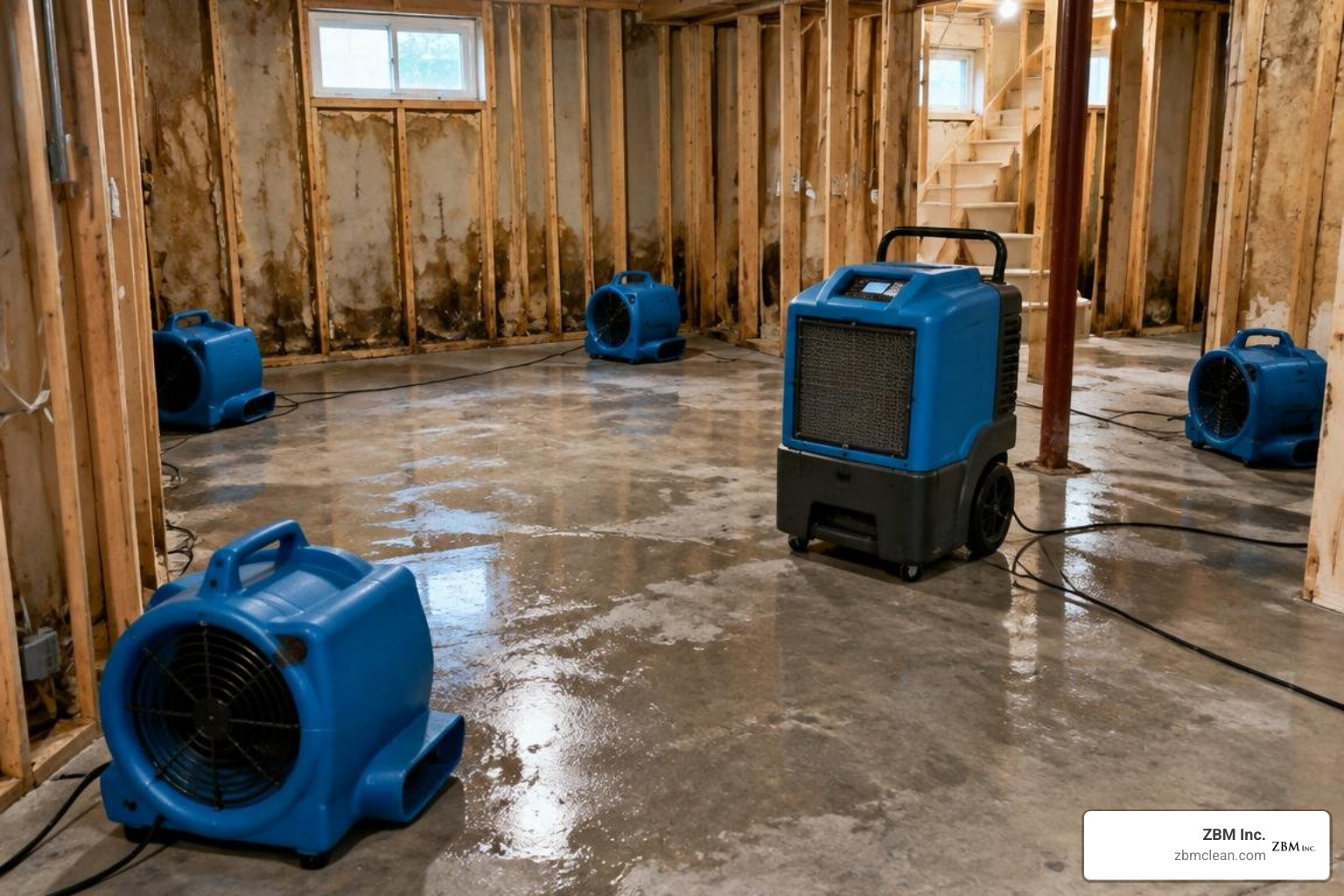
The overall cost of cleaning up a flooded basement depends on the total square footage, water category, and whether the space is finished or unfinished. Most residential restoration projects require 3 to 5 days of continuous structural drying, verified by daily moisture logs before equipment is removed.
| Damage Severity | Typical Water Source | Average Cost Range | Estimated Drying Timeline |
|---|---|---|---|
| Minor / Contained | Clean water supply line, minor appliance leak | $1,500 – $3,500 | 2 – 3 Days |
| Moderate / Partial | Sump pump failure, gray water overflow | $3,500 – $7,000 | 3 – 5 Days |
| Severe / Full Basement | Category 3 sewage backup, extensive storm intrusion | $7,000 – $12,000+ | 5 – 7+ Days |
Standard homeowners insurance policies generally cover sudden and accidental internal water damage, such as a burst pipe. However, water entering from external ground flooding or sewer line backups typically requires specific policy riders (such as Water Backup and Sump Discharge endorsements). Working with a restoration company that provides comprehensive moisture logs, itemized estimates, and photo documentation streamlines the claims process with your insurance adjuster.
Emergency Response Protocols and Future Flood Prevention
When basement flooding strikes, quick action helps minimize property loss. Relying on residential fans or small wet/dry vacuums can prolong drying times, allowing mold spores to germinate inside wall cavities within 24 to 48 hours. Reviewing the ultimate guide to finding water damage restoration companies can help you select a qualified team equipped with industrial equipment.
Immediate Actions Before Restoration Crews Arrive
While awaiting your dispatch team, prioritize life safety and property protection with these essential steps:
- Ensure Electrical Safety: Never walk into standing water if electrical outlets, extension cords, or wiring are submerged. If the main breaker box is accessible safely outside the flooded zone, turn off power to the basement.
- Shut Off the Water Source: If flooding stems from a broken pipe or appliance line, immediately close your home’s main water shutoff valve.
- Document the Scene: Take clear, timestamped photos and video footage of standing water levels, damaged personal property, and water intrusion points for your insurance claim.
- Elevate Contents: Move lightweight, dry furnishings, boxes, and irreplaceable personal keepsakes to upper floors or elevate them above the water line.
- Avoid Household Vacuums: Standard domestic vacuums are not rated for standing water and create significant electrical shock hazards.
- Avoid Running Standard Fans in High Humidity: Circulating saturated air without commercial dehumidification spreads airborne moisture and mold spores to upper levels of the home.
Long-Term Flood Prevention and Sump Pump Maintenance
Protecting your basement from future water intrusion involves addressing exterior drainage and mechanical systems:
- Install a Battery Backup Sump Pump: Primary pumps fail during electrical outages. A high-output, battery-backed auxiliary pump keeps your pit working when storms knock out power.
- Add Smart Water Leak Sensors: Wi-Fi-enabled moisture sensors placed near sump pits, water heaters, and washing machines send real-time alerts to your smartphone at the first sign of pooling water.
- Correct Exterior Grading: Ensure soil slopes away from your foundation walls at a minimum drop of six inches over the first ten feet to shed surface water.
- Extend Gutter Downspouts: Route downspout extensions at least five to ten feet away from foundation walls to prevent roof runoff from pooling near basement footings.
- Maintain French Drains & Swales: Ensure interior drain tile and exterior perimeter drains remain clear of silt, sediment, and tree roots.
Choosing Certified Local Disaster Restoration Professionals
Hiring an experienced, qualified restoration company ensures your basement is fully sanitized and dried to IICRC standards. For insights on screening service providers, consult the homeowner’s guide to vetting disaster clean up companies.
At ZBM Inc., we are a family-owned, licensed, bonded, and insured cleaning and restoration provider located in Watertown, WI. Our certified professionals deliver rapid emergency dispatch across Dodge County, Jefferson County, Lake Mills, Minocqua, and communities throughout Southeastern Wisconsin and the Northwoods. Whether dealing with sudden sump failure, broken plumbing, or storm cleanup, count on our disaster restoration services in Dodge and Jefferson County to restore your property safely and efficiently.